

We studied more than 1,500 coastal ecosystems - they will drown if we let the world warm above 2C
- Written by The Conversation
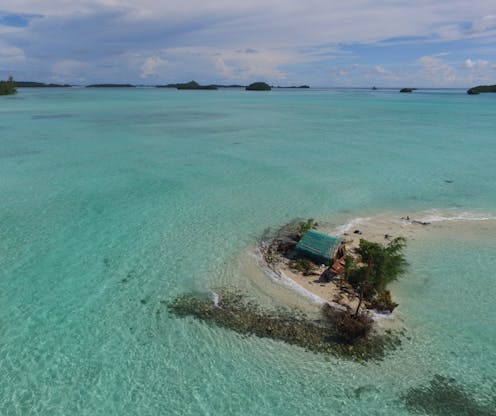
Much of the world’s natural coastline is protected by living habitats, most notably mangroves in warmer waters and tidal marshes closer to the poles. These ecosystems support fisheries and wildlife, absorb the impact of crashing waves and clean up pollutants. But these vital services are threatened by global warming and rising sea levels.
Recent research has shown wetlands can respond to sea level rise by building up their root systems, pulling carbon dioxide from the atmosphere in the process. Growing recognition of the potential for this “blue” carbon sequestration is driving mangrove and tidal marsh restoration projects.
While the resilience of these ecosystems is impressive, it is not without limits. Defining the upper limits to mangrove and marsh resilience under accelerating sea level rise is a topic of great interest and considerable debate.
Our new research, published today in the journal Nature, analyses the vulnerability and exposure of mangroves, marshes and coral islands to sea level rise. The results underscore the critical importance of keeping global warming within 2 degrees of the pre-industrial baseline.
Read more: Not waving, drowning: why keeping warming under 1.5℃ is a life-or-death matter for tidal marshes
What we did
We pulled together all the available evidence on how mangroves, tidal marshes and coral islands respond to sea level rise. That included:
delving into the geological record to study how coastal systems responded to past sea level rise, following the last Ice Age
tapping into a global network of survey benchmarks in mangroves and tidal marshes
analysing satellite imagery for changes in the extent of wetlands and coral islands at varying rates of sea level rise.
Altogether, our international team assessed 190 mangroves, 477 tidal marshes and 872 coral reef islands around the world.
We then used computer modelling to work out how much these coastal ecosystems would be exposed to rapid sea level rise under projected warming scenarios.
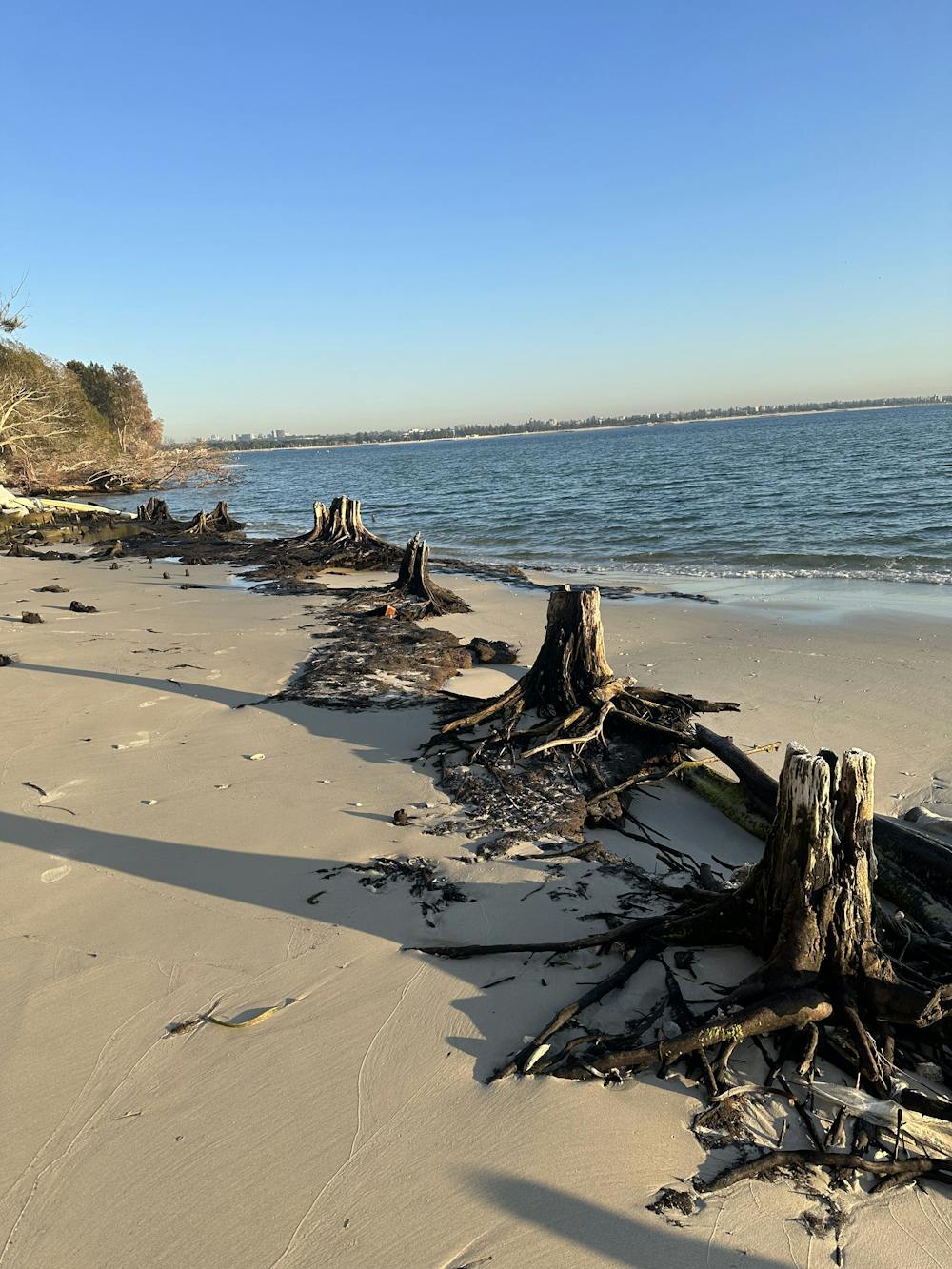 Eroding wetland at Towra Point in Sydney.
Neil Saintilan
Eroding wetland at Towra Point in Sydney.
Neil Saintilan
What we found
Mangroves, tidal marshes and coral islands can cope with low rates of sea-level rise. They remain stable and healthy.
We found most tidal marshes and mangroves are keeping pace with current rates of sea level rise, around 2–4mm per year. Coral islands also appear stable under these conditions.
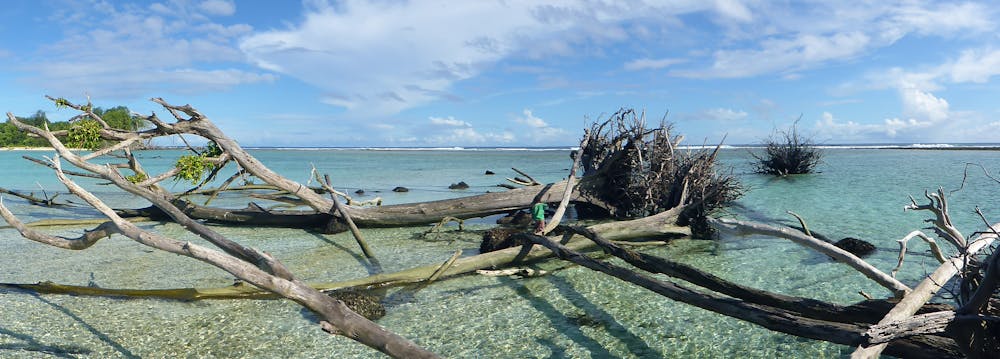
In some locations, land is sinking, so the relative rate of sea level rise is greater. It may be double this 2–4mm figure or more, comparable to rates expected under future climate change. In these situations, we found marshes failing to keep up with sea level rise. They are slowly drowning and in some cases, breaking up. What’s more, these are the same rates of sea level rise under which marshes and mangrove drown in the geological record.
These cases give us a glimpse of the future in a warming world.
So if the rate of sea level rise doubles to 7 or 8 millimetres a year, it becomes “very likely” (90% probability) mangroves and tidal marshes will no longer keep pace, and “likely” (about 67% probability) coral islands will undergo rapid changes. These rates will be reached when the 2.0℃ warming threshold is exceeded.
Even at the lower rates of sea level rise we would have between 1.5℃ and 2.0℃ of warming (4 or 5mm a year), extensive loss of mangrove and tidal marsh is likely.
Tidal marshes are less exposed to these rates of sea level rise than mangroves because they occur in regions where the land is rising, reducing the relative rate of sea level rise.
Read more: Rising seas threaten to drown important mangrove forests, unless we intervene
Let’s give coastal ecosystems a fighting chance
We know mangroves and tidal marshes have survived rapid sea level rise before, at rates even higher than those projected under extreme climate change.
They won’t have long enough to build up root systems or trap sediment in order to stay in place, so they will seek higher ground by shifting landward into newly flooded coastal lowlands.
But this time, they will be competing with other land uses and increasingly trapped behind coastal levees and hard barriers such as roads and buildings.
If the global temperature rise is limited to 2℃, coastal ecosystems have a fighting chance. But if this threshold is exceeded, they will need more help.
Intervention is needed to enable the retreat of mangroves and tidal marshes across our coastal landscapes. There is a role for governments in designating retreat pathways, controlling coastal development, and expanding coastal nature reserves into higher ground.
The future of the world’s living coastlines is in our hands. If we work to restore mangroves and tidal marshes to their former extent, they can help us tackle climate change.
Read more: Climate change can drive social tipping points – for better or for worse


