

As homeschooling numbers keep rising in Australia, is more regulation a good idea?
- Written by The Conversation
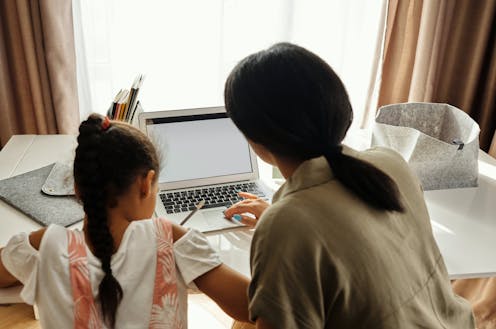
The number of families choosing to homeschool in Australia and around the world keeps growing.
New data from Queensland released last week show there has been a 20% increase over the past year, with 10,048 registered homeschoolers up from 8,461. Over the last five years, there has been a 152% growth in primary students and 262% growth in high school students who are home schooled in the state.
At the same time, Queensland is looking at “cracking down” on parents who home school.
There are concerns homeschooling needs more regulation because parents only have to report once a year and are not subjected to testing such as NAPLAN. Is this what we need?
Homeschooling across Australia
In New South Wales 12,359 students were registered for homeschooling in January 2023, a 37% jump on the 2022 figures.
In Victoria, the most recent figures show there were 11,912 homeschooled students as of December 2022, an increase of 36% since 2021.
Across the country, I estimate, based on state and territory data, there are more than 43,000 legally registered homeschooled students. This does not include students whose parents do not register them with their state or territory education departments, even though it is a legal requirement.
Estimates on the numbers who do not register vary. Some home education curriculum providers suggest there are as many unregistered students as there are registered students. Accurate figures are difficult because families are reluctant to admit they are not meeting their legal requirements.
Why are numbers growing?
A 2023 Queensland government report shared data from a survey of more 500 parents in the state who homeschooled their children.
It found 45% of families surveyed never intended to homeschool. It also found 61% had a child with a disability or health issue, including ADHD, autism, behavioural issues and mental ill health. Many also had concerns about bullying.
Families also reported their child was not learning at school, and not wanting to go, so homeschooling became the only choice available.
This reflects academic research, which finds most families who choose to homeschool have negative school experiences, withdraw because of bullying or are neurodiverse.
While homeschooling was growing before the pandemic, the school-at-home arrangements during COVID led to a large growth in numbers. For some families, the experience showed them learning at home was possible and enjoyable and they decided not to go back.
Read more: 'He was in fear of his life': bullying can be a major factor in deciding to homeschool
What do homeschooling parents need to do?
Many families who homeschool are not qualified educators. Of those surveyed in the 2023 Queensland report, 20% had a teaching qualification. A further 15% had experience working in a school in a role other than teaching.
According to the state’s Education Act, homeschooling parents have to provide a “high-quality education” tailored to the needs of the child and the child must show progress.
Families need to report annually on the child’s learning and provide a plan for the following year. Parents also provide samples of their child’s learning.
Approaches vary across other states. In New South Wales there is a home visit by a department representative. In Victoria, a family provides a plan and must submit to an audit if they are chosen at random.
Parents do not have to teach to the Australian Curriculum because it sets the goals for what students should learn as they progress through school, not what parents should be doing at home.
To regulate or not to regulate?
The Courier Mail has reported the Queensland government is considering a “crackdown” on homeschooling rules, noting homeschoolers aren’t required to use the Australian Curriculum or do NAPLAN tests.
However, international research suggests homeschooling outcomes are as good as at mainstream schools in terms of academic success. Homeschooling can work because it suits some children better and parents are motivated to help their children learn.
There is a risk too much regulation will lead to more families flying “under the radar” and not registering. Many who do not register now say they do not comply because they are scared of authorities and feel they have been let down by schools in the past.
Australian research suggests onerous compliance requirements lead to families disengaging with authorities and does not lead to better outcomes for students.
Read more: Homeschooled students often get better test results and have more degrees than their peers
How to engage homeschooling families
In Victoria and Tasmania, homeschooling families have been included on boards providing advice to government about regulation.
Surveys by the Home Education Network (a home schooling support network) suggest more than 90% of homeschoolers in the state are registered.
If Queensland wants to increase compliance, it should consider doing more to work with families. For example, by including them in policy making about home education, so families see compliance as a way to support their child’s education, not as a “punishment” for not sending them to a mainstream school.
Governments should also look more closely at why families leave schools. We know families are not homeschooling as an “easy option” – they are doing it because it is a last resort.
Read more: Traditional school doesn't suit everyone. Australia needs more flexible options


