

When physical activity programs include cultural elements, they are even better for First Nations people
- Written by The Conversation
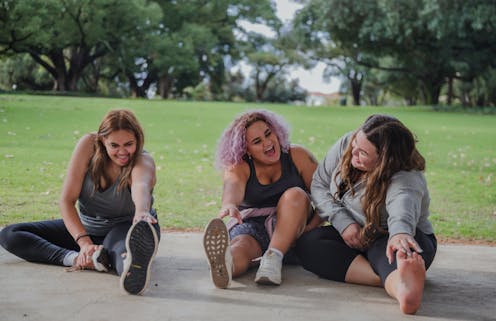
For First Nations people, social and emotional wellbeing can depend on connection to land, culture, spirituality and community. Disruption to these values can be harmful.
The most recent data show 24% of First Nations adults have been diagnosed with mental health or behavioural conditions. This is likely due to lasting and intergenerational effects of historical injustices, racial discrimination and cultural displacement.
Through our research we have found First Nations physical activity programs can improve social and emotional wellbeing. These programs enhance confidence and self-esteem, improve community cohesiveness and cultural identity, and deepen connection to Country.
Read more: First Nations kids are more active when their parents are happy and supported
Physical activity for First Nations people
We know physical activity can improve mental health and wellbeing. It can also prevent and reduce symptoms of anxiety and depression.
Cultural physical activity (hunting, gathering, customary activities and connecting with Country) has been a part of First Nations people’s lifestyles for tens of thousands of years. These practices still hold cultural relevance today.
Going on Country has benefits for physical, social, emotional and cultural wellbeing for First Nations people. These include a healthier diet, more frequent exercise, sharing of culture, more family time, and spiritual connection.
A review of physical activity programs for First Nations people identified 110 different programs running between 2012 and 2015. Most of these programs are still running in 2023.
Our recent review found First Nations physical activity programs improved confidence and self-esteem, improved community and cultural connections, and deepened connection to Country. These findings are based on available evidence on the relationship between physical activity and First Nations social and emotional wellbeing. The review examined nine physical activity programs and initiatives which aimed to improve social and emotional wellbeing among First Nations people.
The programs we looked at were First Nations-specific physical activity programs and included women’s programs, camps, sports teams and coaching courses.
What doesn’t work
Programs that do not centre First Nations community involvement and connection are unlikely to be well received or effective. These programs often have barriers to participation such as lack of transport, high program costs, or may clash with family and community commitments.
Racism within programs and services can stop First Nations people accessing them. It can also affect physical and mental health – potentially leading to anxiety, depression, smoking, psychological distress and poor sleeping patterns.
What does work
Culturally safe physical activity programs that are community-led and adopt First Nations values are effective in improving social and emotional wellbeing.
An example of such a program is Dead or Deadly. This program has seen over 648 First Nations women participate in personalised health and wellbeing programs. Women participate in group exercise, health education and camps where they improve fitness, reduce smoking, reduce chronic disease indicators, reduce psychological distress and increase resilience.
A quote from one of the participants highlights the positive effects of the program, which can help participants …
[…] live through anything that is put in front of them. Survive the violence; learn to live through anything. Beauty of being a cultural person; culture makes you stronger.
Another is Deadly Choices, run by the Institute for Urban Indigenous Health. The program started as a social program and included community events which focused on health education and health screening. These include making choices to stop smoking, to eat healthy food and to exercise daily. It helps people improve their knowledge of chronic disease risk factors and encourages engagement with local health services. It has been running since 2010, and programs and events include sport and recreation, cooking programs, and programs to help quit smoking.
Another key part of this program is the Deadly Choices social networking site where First Nations identity and culture is celebrated, and online yarning takes place to create and build an online community to speak about healthy choices.
Support from family and friends and opportunities to connect with community and culture are also essential for programs to work. An example of this is the Fitzroy Stars Football & Netball Club – a First Nations club based in Melbourne. Through football and netball, the club aims to increase health, increase positive parenting and strengthen the First Nations community of Melbourne. This is done through increasing cultural values and strong community connections within the team.
These cultural values include the sharing and representation of cultural knowledge through making sure family and community are at the heart of the club. Some participants spoke about feeling a sense of cultural identity and pride when representing their family groups and saw football as an opportunity to give back to their community.
Development, implementation and evaluation of physical activity programs need to be informed by First Nations people. And First Nations knowledge, cultural beliefs and practices need to be valued. This is the only way to ensure positive changes in social and emotional wellbeing.


