

We once killed 600,000 koalas in a year. Now they’re Australia’s ‘teddy bears’. What changed?
- Written by The Conversation
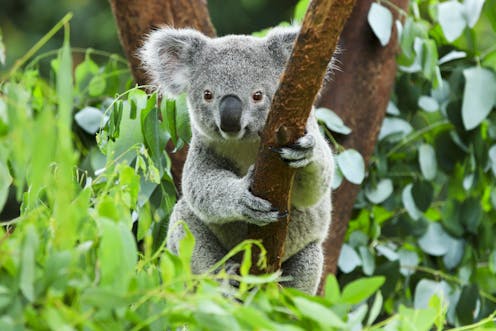
Koalas are one of the world’s most beloved animal species. They serve as symbols for everything from bushfire destruction to Australian tourism to caramel chocolate bars. These tree-dwelling marsupials get far more attention than many other endangered native species. But Australians haven’t always felt this way about our seemingly cuddly teddy-bear lookalikes. Far from it.
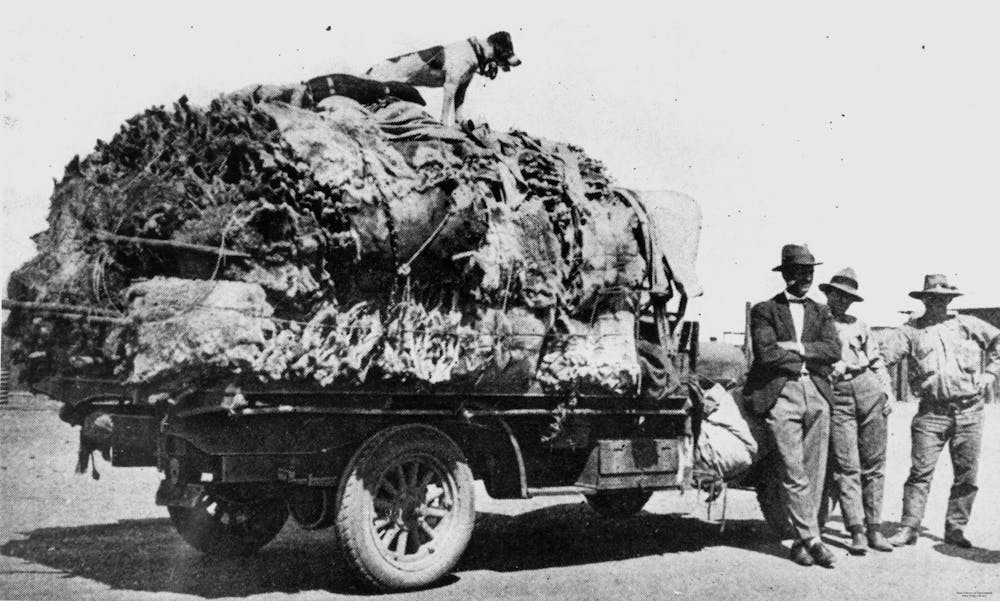
Almost a century ago, Queensland announced open season on koalas. Over the next month, well over 600,000 koalas were shot, trapped or poisoned in what has been dubbed “Black August”.
These numbers seem shocking. That figure is about the same as the total number of koalas alive today, using the most generous estimate. Today, the koala is endangered in New South Wales, Queensland and the Australian Capital Territory.
Why did it happen? Back then, koalas were far more plentiful in Queensland. And there was an established tradition of killing Australian marsupials for their pelts, which could be sold on the lucrative international fur market. At least a million koala pelts were sold in the previous 1919 open season.
As attachment to native wildlife has grown and the koala’s numbers have dwindled, we have come to think very differently about this creature.
A political miscalculation
Even in 1927, the koala kill was a gamble. Other koala-inhabited states had stopped licensed koala kills, alarmed by plummeting numbers caused by the fur trade, deforestation, bushfire, and disease. As early as the 1880s, worried locals shipped koalas to French Island near Melbourne as an insurance policy against fire and disease. Today, as historian Danielle Clode has written, koalas in South Australia and Victoria are largely descended from these island refugees.
So why did Queensland launch its kill? The economy was not doing well, and the Labor government hoped the open season would tackle high unemployment rates, raise revenue and win votes. Warm, waterproof koala fur was prized in Europe and the United States, where it was put to use in coats, gloves and even sleeping bags.
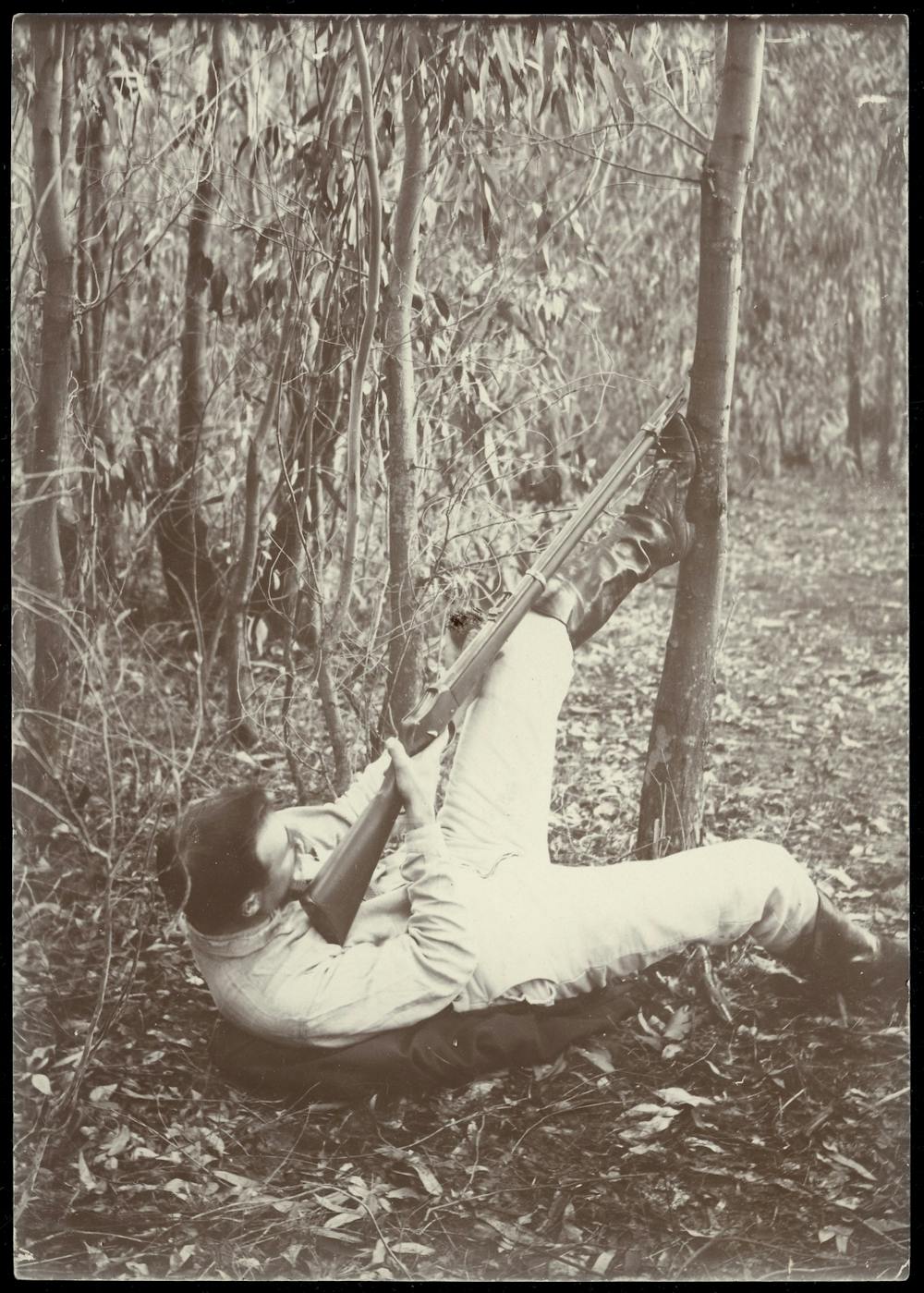 Victorian trapper Cyril Grant Lane hunted koalas for many years.
State Library of Victoria, CC BY-ND
Victorian trapper Cyril Grant Lane hunted koalas for many years.
State Library of Victoria, CC BY-ND
But the open season came as a shock to many. Scientists knew koala populations were already plummeting at the beginning of the twentieth century. And among the public, affection was growing for the koala.
The backlash was swift – and intense. Brisbane’s Anglican Archbishop Gerald Sharp called for protest, and a remarkable range of organisations responded, from city and shire councils to religious groups, women’s organisations, universities, scientific bodies, returned soldiers and children’s scouts groups.
The Brisbane Courier newspaper ran a “Spare the Bear” campaign, publishing hundreds of protests from indignant readers. Angry constituents deluged the acting premier, William Forgan Smith, with letters. Some deplored the cruelty of hunters who left baby koalas attempting to suckle from their dead, skinless mothers. Others focused their anger on the government. One caustic letter writer suggested an “open season for Cabinet Ministers” might be more appropriate.
Critics were united in their disgust at the mass killing of such a “lovable, non-destructive and quite unique little native animal” which posed no threat to human interests. Koala trappers had their masculinity questioned – no “true Bushman” would kill a defenceless animal.
Read more: A home among the gum trees: will the Great Koala National Park actually save koalas?
We should be sceptical about one letter writer’s claim that “99% of Queenslanders” opposed the killings. But opposition was powerful and widespread.
The government tried to blame the furious response on out-of-touch city dwellers who did not live in Queensland. In fact, locals dominated the protests. At the time, many rural families kept koalas as beloved pets, which made the thought of killing them even more outrageous.
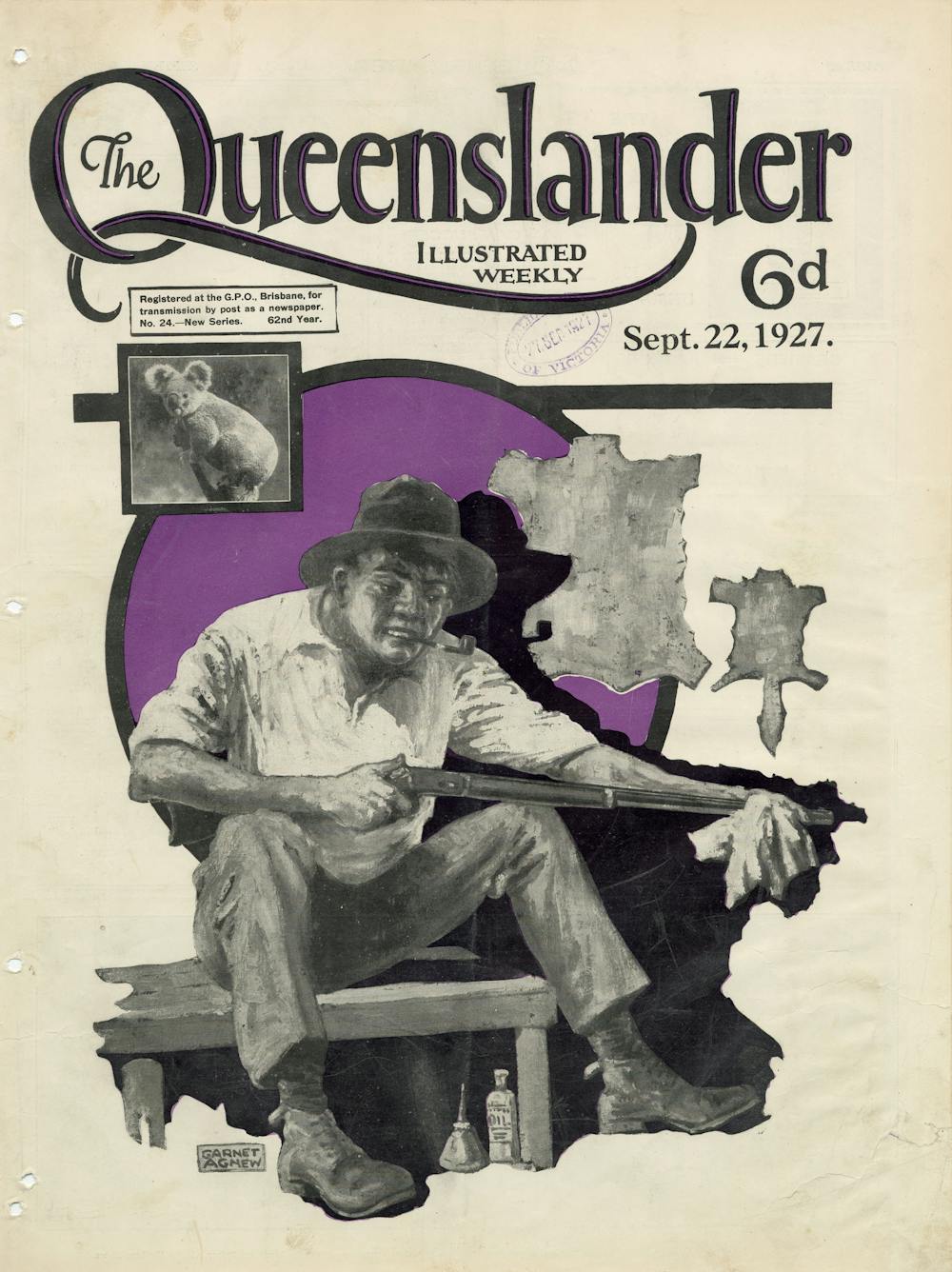 The backlash against the koala cull was fast – and intense.
Garnet Agnew, The Queenslander, September 22nd 1927/State Library of Queensland, CC BY-ND
The backlash against the koala cull was fast – and intense.
Garnet Agnew, The Queenslander, September 22nd 1927/State Library of Queensland, CC BY-ND
A question of national identity
When British colonists first came to Australia, many found the native animals freakish and backward. One unimpressed naturalist called koalas “torpid and senseless” and doubted their place in “God’s plan”.
But by the early 1900s, koalas, emus and kangaroos were becoming national symbols. They seemed to represent Australia’s new status as a federated nation, and helped settlers feel connected to the land. There was also a growing awareness that native species needed protection from environmental threats.
Books such as Norman Lindsay’s Magic Pudding (1918) encouraged readers to care for native animals. In 1925, James Barrett published a book begging for the “right use of our flora and fauna” and stressing their endangered state. He titled it Save Australia.
Perhaps because of their baby-like features, koalas were often depicted by authors and illustrators as good-natured and childlike friends. (In reality, they can be quite grumpy and their screams at night startle many campers). This might explain why fewer people protested to protect possums, the furs of which were also sought during open seasons.
Read more: Why do we love koalas so much? Because they look like baby humans
The great U-turn
The 1927 koala open season would be Australia’s last. After the backlash, the koala was finally afforded lasting protection in Queensland. The acting premier promised to restock areas stripped of native animals. Even so, the government lost the election it had been trying to salvage.
Hundreds of thousands of koalas were killed before the government reversed course. Newspapers reported an estimated 600,000 koalas died due to the “massacre”, but this doesn’t account for koalas whose skins were not sold to dealers or young koalas killed with their parents or who starved without them. The total is likely close to 800,000.
The movement against koala-killing was perhaps the first organised conservationist campaign in Australia. It fostered the creation of wildlife societies, campaigns for national parks and nature studies for school students.
You can see the evidence even today. Sydney man Noel Burnett was so appalled by the killing that he opened his own sanctuary, Koala Park, which is still operating.
And whenever news breaks about koala deaths in blue gum plantations, we respond with outrage.
New threats, old choices
Today, koalas are safe from hunters. They’re so well known we use them as cuddly diplomats, similar to China’s panda diplomacy. But they face new threats – increasingly severe bushfires, disease, and habitat destruction.
Even as we have grown to love koalas, we have not yet been able to save them. It is now entirely possible these beloved national symbols could be facing a preventable extinction.
Read more: Friday essay: the koala – when it's smart to be slow


