

Should twins be in separate classes? Many schools say yes, but the answer is not so simple
- Written by The Conversation
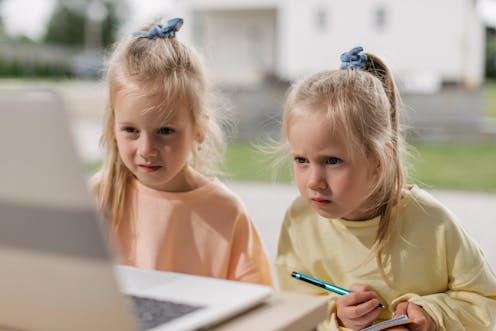
Should my twins be in the same class at school?
As a clinical psychologist specialising in twins, this is one of the most frequent questions parents ask me.
Many schools continue to separate twins due to a deep-seated belief it is better for the development of separate identities. Both research evidence and clinical experience tells us it is not so simple.
How many twins are there?
What happens to twins is not a niche issue. In Australia, twins represent approximately one in every 80 pregnancies. According to the Australian Bureau of Statistics, 1.4% (4,286) of pregnancies were multiple births in 2022, with the vast majority of these being twins.
As these statistics suggest, each year there will be many parents who have to navigate what happens to their kids at school and many teachers will have a twin in their classroom.
Old school rules for twins
Traditionally, schools did not tend to ask parents for their views when placing twins in classes.
This approach was based on anecdotal experience, misguided perceptions and beliefs, and/or limited research suggesting that being apart was better for twins’ development and academic performance.
Still today, some parents tell me school principals insist on placing twins in separate classes because they believe it is better for shaping their individual identities. There is also the often unspoken rationale (particularly for identical twins) that it is easier for teachers and students to tell them apart.
Read more: Curious Kids: why are some twins identical and some not?
What does the research say?
When looking at the research about twins at school, the findings tell us a different story. There is little evidence to suggest twins perform better academically when they are in separate classes. The exception might be when one twin has special needs or when there is an unhealthy amount of competition between the twins.
A Canadian study published in 2022 found teaching primary school-aged twins in the same classroom had some positive impact on their behaviour and how they relate to others. This makes sense when we consider many twins have had limited experience being away from each other before starting school. So they are likely to feel more secure if placed together in these early transition years.
Read more: Whether it's a new teacher or class – here's what to do when your child is not loving it
What parents, schools should be doing instead
In 2022, the Australian Multiple Birth Association (a non-profit organisation) released a policy statement, noting:
there is no one-sized fits all answer
parents “are best placed” to determine what will suit their children
schools should consult parents each year about where their children should go.
Twins may also have a view, particularly as they get older. Therefore, listening to each twin will be an important part of the decision-making process. Although, what one twin says they want might not be what they really want or need (depending on the nature of the twin dynamic). For example, the twin who says they want to be in a separate class to their co-twin might actually be the twin who wants to stay together. Such is the enigma of the twin relationship!
This makes it even more important to gather as much informed information as possible before making a decision. For schools, the message is no fixed policy is best when it comes to welcoming twins into your school.


