

The royals have historically been tight-lipped about their health – but that never stopped the gossip
- Written by The Conversation
King Charles III has been diagnosed with cancer. This is an unexpected announcement: it is unusual for the royal family to release details of medical conditions to the public.
“Don’t let the daylight in” was how British essayist Walter Bagehot advised the British monarchy to deal with the public in 1867. “[A]bove all things our royalty is to be reverenced […] its mystery is its life,” he wrote.
For Queen Elizabeth II this attitude framed her response to public information about the royals, quipping “never complain, never explain”. Maybe this explains why Princess Kate’s recent abdominal surgery has not been disclosed to the public, with media reports saying she is “determined to keep her medical details private”.
In revealing the fragility of the royal body much of the mystique about them as anointed by God fades away. But the royals’ health has, occasionally, been the subject of official news, and, more commonly, the subject of gossip.
Henry VIII’s ‘soore legge’
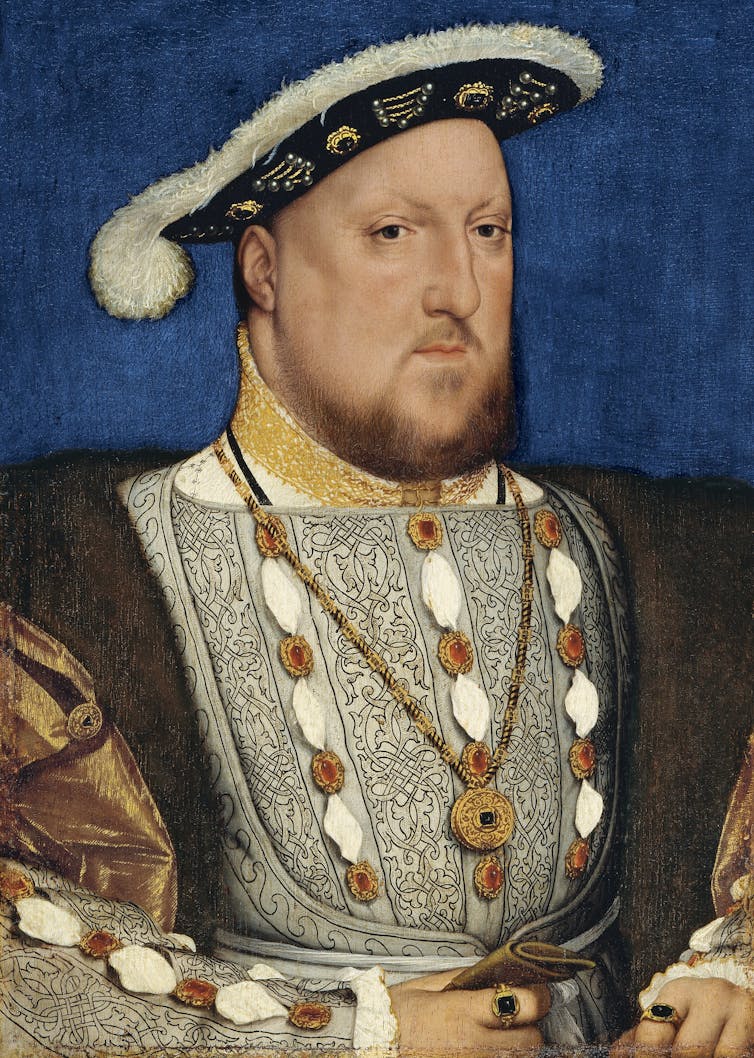
Henry VIII’s (1491–1547) health was well-documented and discussed in state-papers and diplomatic dispatches of the day.
In his early years, he was known for his robust health. In his later years, he would be described as “cursed” by his deteriorating health.
As Henry aged, his access to fine food led to an increase of weight. Doctors today might diagnose him with obesity, and it has been speculated by contemporary medical historians he suffered from hypertension and Type II diabetes.
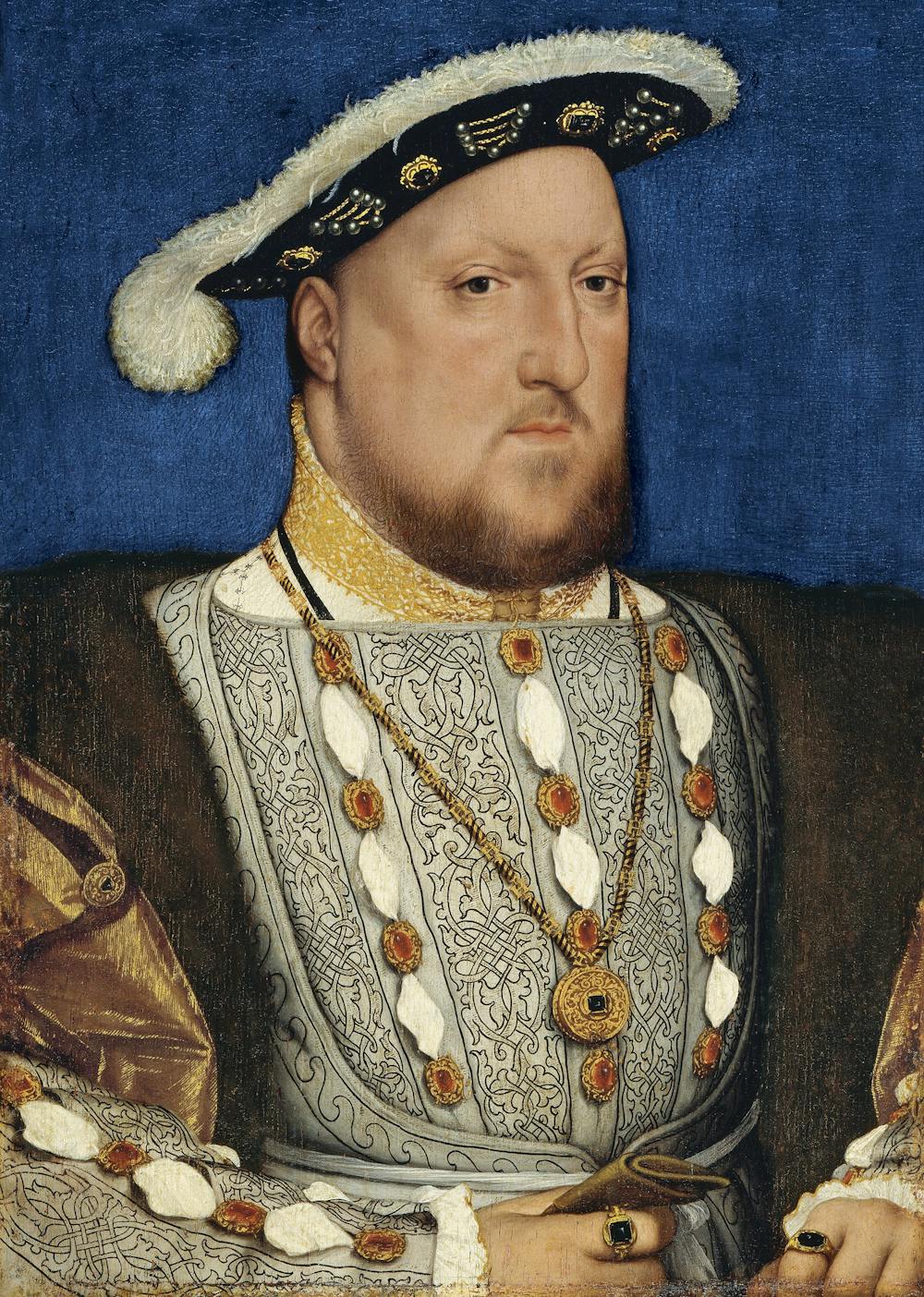
This disease, which can lead to diabetic neuropathy and serious foot complications, could account for the persistent and odorous ulcers on his “sorre legge”, as described by his contemporaries.
Knowledge about Henry’s health was not widespread. The king had sequestered himself in his private apartments. Even his attending physicians did not keep notes, perhaps concerned about being accused of treason in the volatile politics of the time. Most of our knowledge today is gleaned from diplomatic reports sent by diplomats to their own leaders.
Queen Anne’s lupus
Queen Anne (1665-1714) had 17 pregnancies, 11 of which resulted in miscarriages or stillbirths, with the remainder all dying in childhood. Despite the regularity of her failed pregnancies, her physician, John Radcliffe, repeatedly declared she was in good health and her miscarriages were due to “the vapours”, a vague diagnosis often attributed to aristocratic women.
It is now believed Anne may have been afflicted with the autoimmune condition lupus.
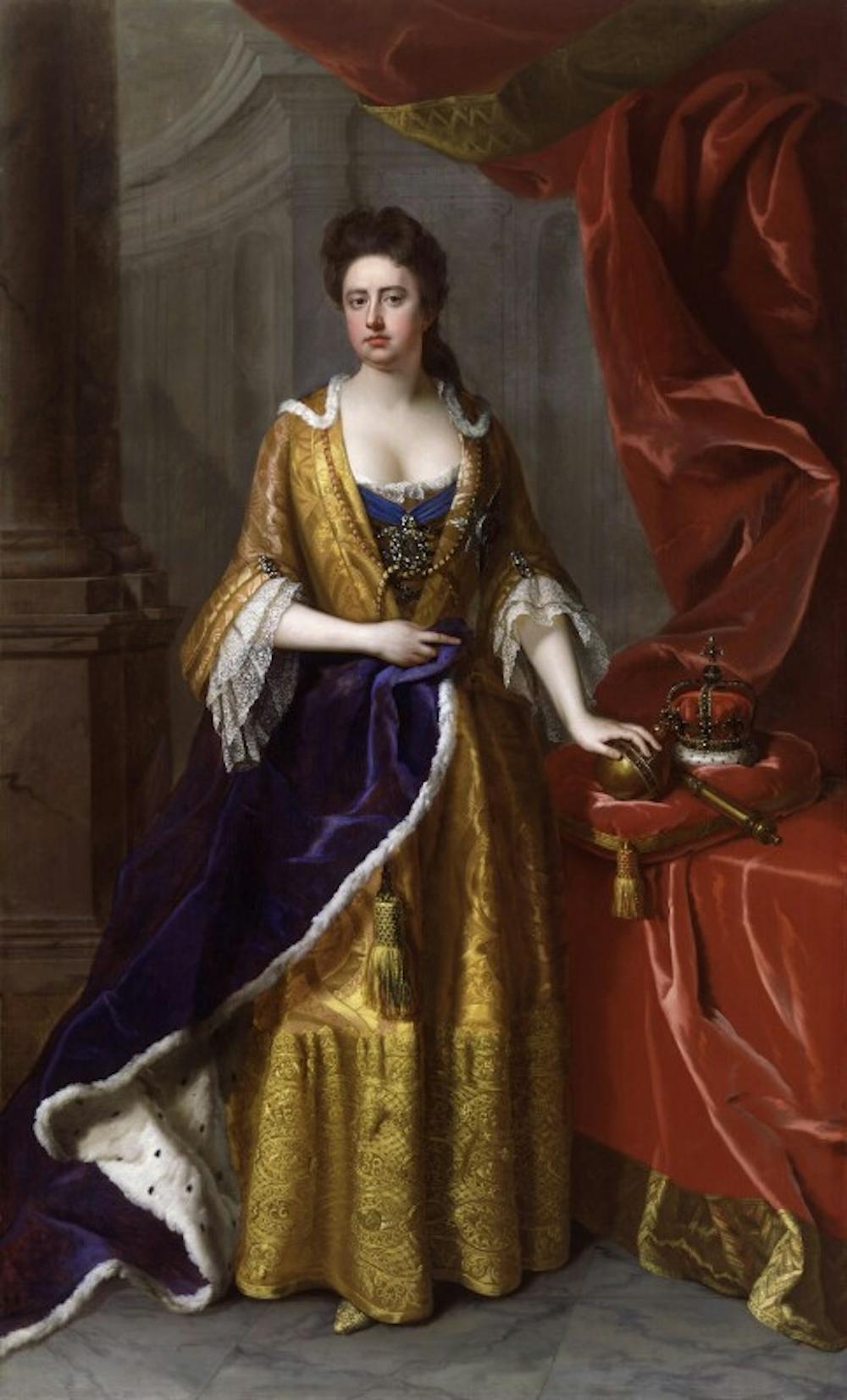 Queen Anne by Michael Dahl. Oil on canvas, circa 1702. NPG 6187.
© National Portrait Gallery, London, CC BY-NC-ND
Queen Anne by Michael Dahl. Oil on canvas, circa 1702. NPG 6187.
© National Portrait Gallery, London, CC BY-NC-ND
For Anne’s contemporaries, the name of the illness perhaps mattered less than the real political issue it presented: who would become monarch after her? With no heirs, there was real political fear her Catholic half-brother James Francis Edward Stuart (“The Old Pretender”) would claim the throne.
But the law excluded Catholics from the taking the crown, and ensured Anne would be succeed by her second cousin, George I of Hanover and Britain.
George III and mental illness
George III (1738–1820) famously suffered from bouts of mental illness, more recently been speculated to be caused by Porphyria, a hereditary blood disorder.
Throughout his illness bulletins were issued by his doctors informing the public of his condition.
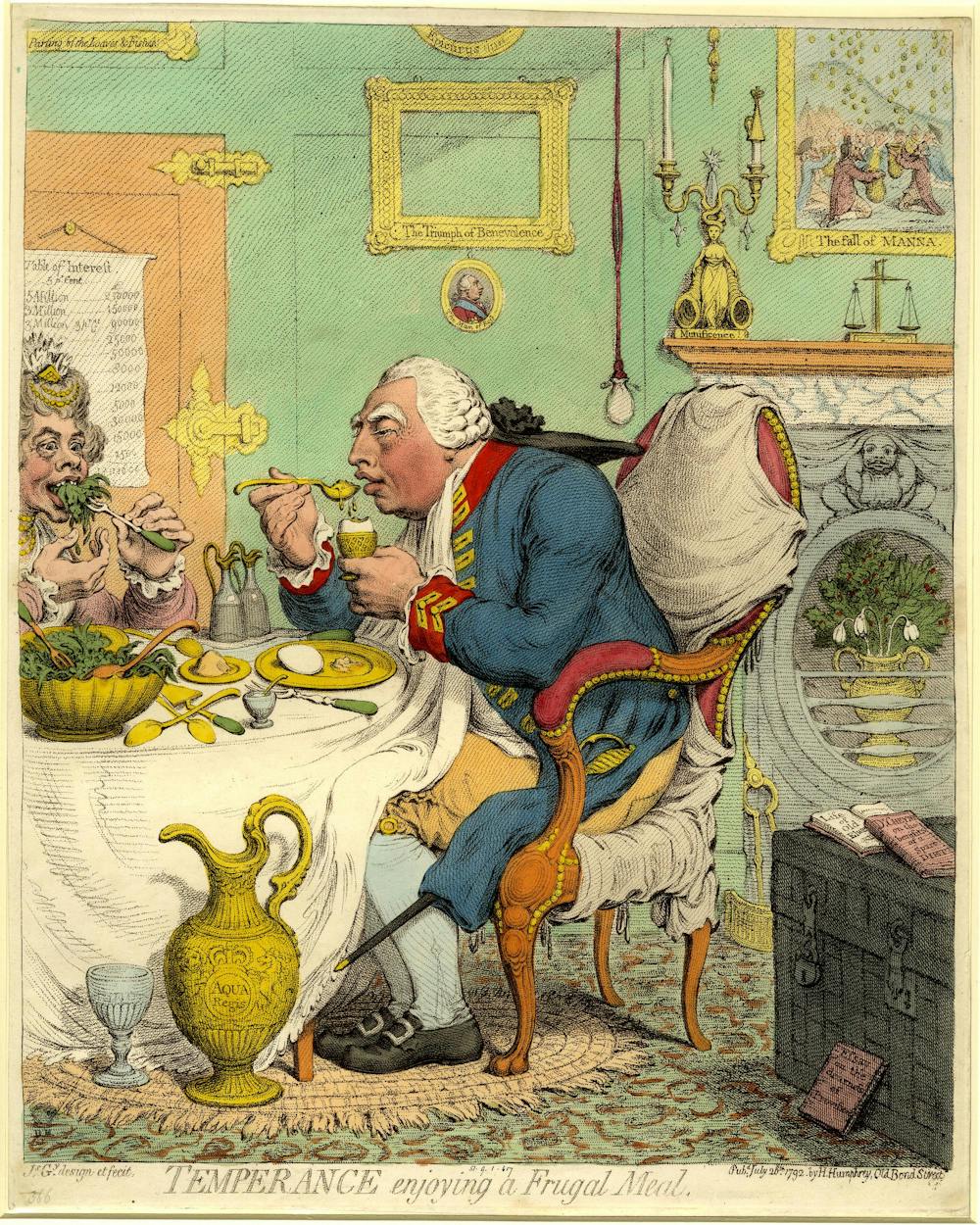 This satirical cartoon of George III was published in 1792.
© The Trustees of the British Museum, CC BY-NC-ND
This satirical cartoon of George III was published in 1792.
© The Trustees of the British Museum, CC BY-NC-ND
These were kept deliberately vague, with the aim to reassure the public rather than divulge details. His repeated bouts of illness mean his health was a constant in the media of the time, with frequent, at times twice-daily, updates during episodes.
His illness called into question his ability to be monarch, a situation eventually resolved by the installing of his son, later George IV, as Prince Regent.
Read more: Who owns the royal body? Public interest in royal health reveals anxieties about our rulers
A family of haemophilia
Queen Victoria has been called the “Grandmother of Europe” due to her many descendants. This also came with a deadly legacy, haemophilia, given the moniker “the royal disease”.
Haemophilia is an inherited disorder which mostly affects males, where the blood does not clot properly. This can lead to severe or spontaneous bleeding which can be dangerous if not treated properly. While the illness can be managed well today, in Victoria’s time little was known about it.
It is believed Victoria passed on the trait to three of her nine children, at a time when life expectancy for those who had the disease was just 13 years old. Two of her daughters were asymptomatic carriers, however her fourth son Prince Leopold (1853-1884) was afflicted with the disease.
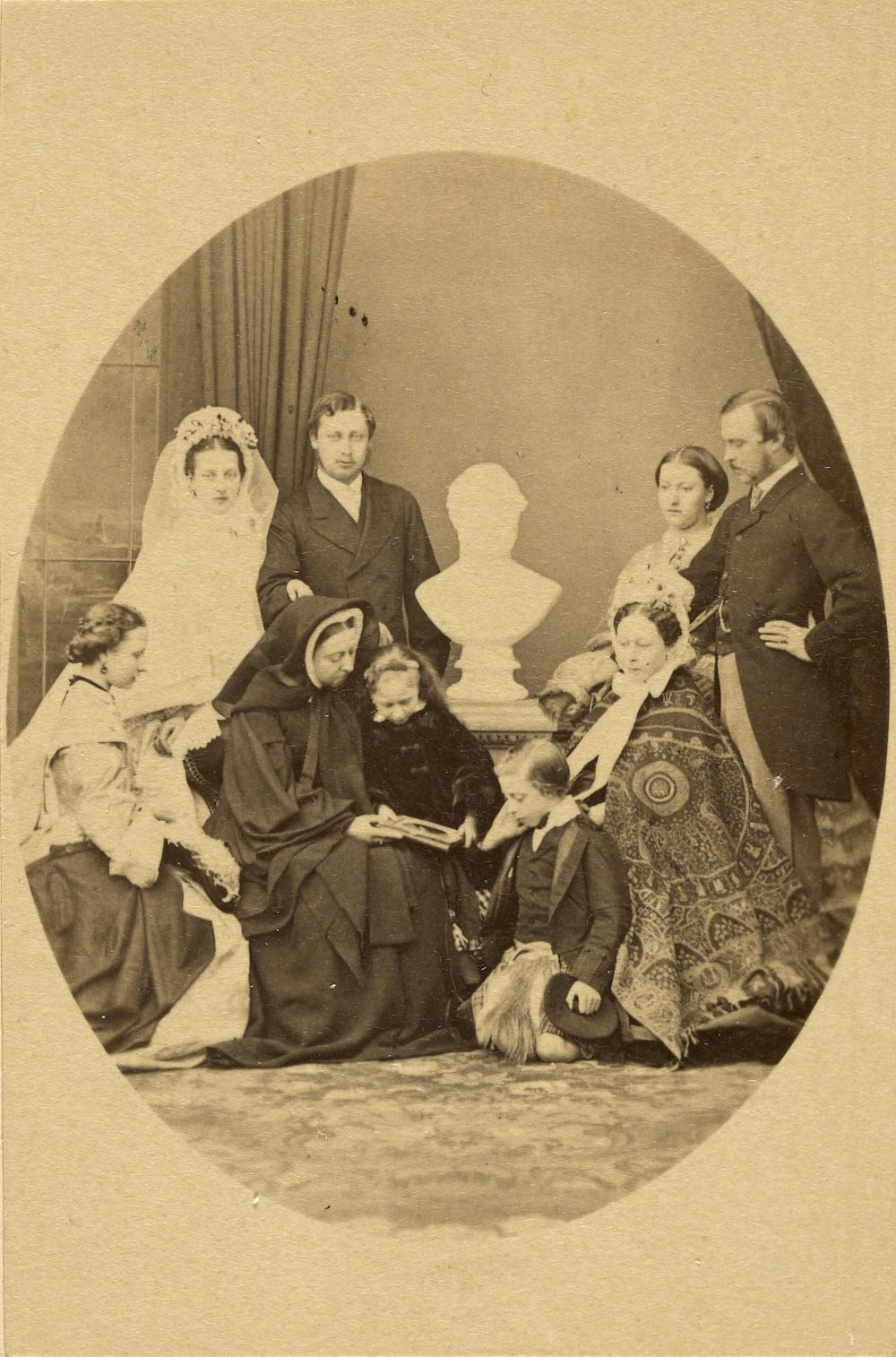 Queen Victoria with eight of her children.
Getty Museum
Queen Victoria with eight of her children.
Getty Museum
While the royal family were careful to manage what information was publicly released about his illness, his status meant it garnered public attention. It was covered in medical journals of the time, and later in newspapers.
As knowledge of the illness grew, both the public and members of the royal family were able to use it to guide decisions on marriages to limit its spread.
A new approach
In the days leading up to Elizabeth’s death on 2022, the media reported her as resting “comfortably” and provided no information on the nature of her illness. Even her death certificate failed to reveal her cause of death, other than as old age.
Charles has signalled he wants to do monarchy differently than his mother. After his recent prostate surgery, his office stated he wanted to inspire men to look after their prostates. Anecdotal evidence suggests more men have sought medical tests in response which is being called the “King Charles effect”.
Now, the announcement of Charles’s cancer diagnosis signals a new approach by the royals.
Read more: What happens if King Charles can no longer perform his duties?


