

Climate change will strike Australia’s precious World Heritage sites – and Indigenous knowledge is a key defence
- Written by The Conversation
From Kakadu to Uluru and the Great Barrier Reef, to Sydney Opera House and the convict sites, Australia’s list of World Heritage places is incredibly diverse. Each site represents the culture, nature and history of this land, in its own way.
But climate change threatens these sites. Many heritage values are already being eroded. On-ground managers of these and other protected places need practical guidance on how to understand these impacts and respond effectively.
We developed a climate change “toolkit” for World Heritage properties with site managers and Traditional Owners. To our knowledge, it is the first time such guidance has been co-developed and tested with World Heritage property managers and Indigenous experts in this country.
Bringing climate science and Indigenous knowledge systems together promises to produce better results for heritage protection as the climate changes. And there is no time to waste. We must act fast to address these threats to Australia’s unique and special places of global significance, so their World Heritage values can be enjoyed for generations to come.
Mounting climate threats to heritage
Our new research explored climate impacts at three very different sites:
- Kakadu National Park, Northern Territory
- Australian Convict Sites, scattered around the country
- Willandra Lakes Region, southwest New South Wales.
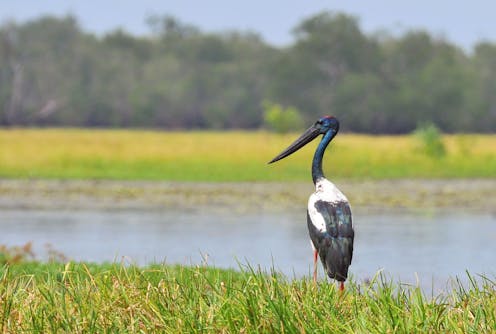
The vast tropical Kakadu National Park is one of four Australian properties listed for both outstanding cultural and natural values. Cave paintings, rock carvings and archaeological sites date back tens of thousands of years. Tidal flats, floodplains, lowlands and plateaus provide habitat for many rare or endemic plants and animals.
But Kakadu is vulnerable to rising sea levels, leading to coastal erosion and saltwater entering wetlands. The region is also experiencing more extreme temperatures and heatwaves, changing fire regimes, more intense cyclones, and increasingly intense extreme rainfall events.
The Convict Sites consist of 11 properties around Australia. Fremantle Prison lies 5,500km west of Arthur’s Vale Historic Area in the east. The Old Great North Road in the north is 1,500km from the Port Arthur Historic Site in the south.
Many convict sites are on coasts and islands where wave action and sea level rise are increasingly damaging structures, landscapes and cultural materials. Convict sites are also vulnerable to storms and bushfires because the buildings are so old.
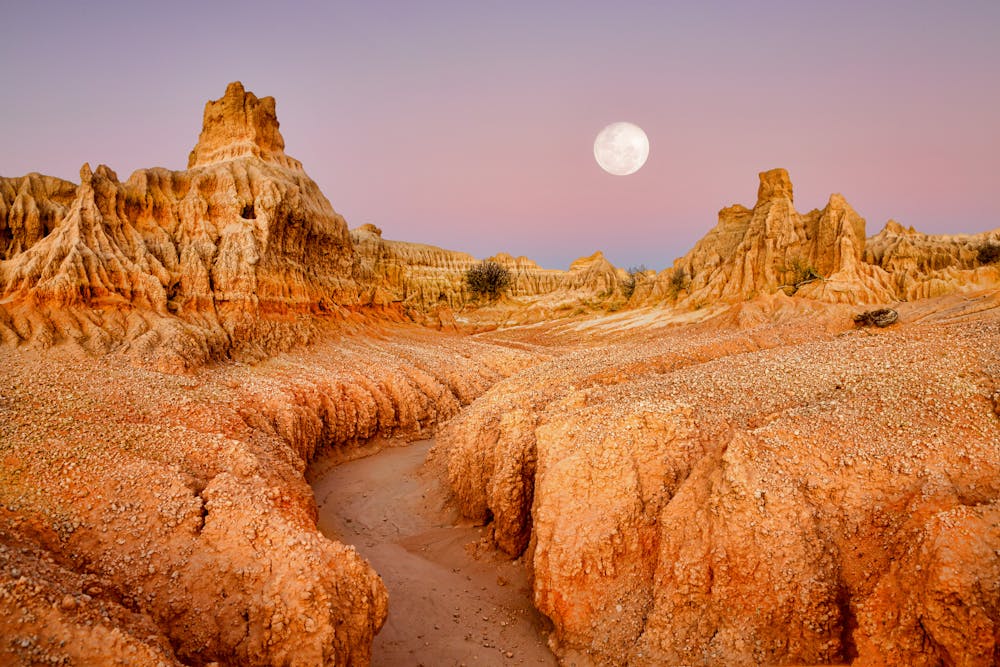
The arid Willandra Lakes Region contains fossil remains of a series of lakes and sand formations, along with archaeological evidence of human occupation dating back 45,000–60,000 years.
Hot and dry conditions are causing erosion of topsoil, increasingly exposing Aboriginal cultural heritage.
Read more: Climate change must be a catalyst for reform of the World Heritage system
Tapping into deep knowledge
We worked closely with these sites to develop and test our new toolkit.
An Indigenous Reference Group of Traditional Owners from a number of World Heritage sites in Australia contributed their expert knowledge. This includes practical guidance such as how to engage with and enable Indigenous leadership so Traditional Owners can participate in or lead climate vulnerability assessment and adaptation planning. The toolkit also describes using the right knowledge for the right Country (showing respect for traditional knowledge) and establishing agreements to ensure Indigenous cultural and intellectual property rights are protected.
Effectively addressing climate impacts on World Heritage values requires the deep knowledge, values and worldviews of Indigenous Peoples and local communities. This includes practices such as cultural burning to reduce the risk of intense bushfire, or cultural knowledge of long-term changes in water cycles. Tapping into this deep understanding of connections between nature and culture can help support the management of spiritual, living landscapes.
Adapting to climate change
World Heritage site managers can take a broad range of practical actions to adapt to climate change.
These actions, such as firefighting or invasive species control, may not be new. They just need to be undertaken more often or intensely.
Other variations on existing actions may include greater emphasis on physical separation between flammable vegetation and assets such as larger firebreaks, or responding to new invasive species, possibly including shifting ranges of invasive native species.
Some new management actions will be required, such as flood protection, relocating assets and new technological interventions. In cases where climate change is likely to lead to changes in the values of a site, there may be a need to reevaluate management objectives and strategies (such as accommodating new groups of organisms or “ecological communities”, letting some populations decline, and managed retreat of shorelines).
There may also be a need to consider vulnerability at different scales, sometimes across larger areas. In some cases, managers may aim to retain certain values across a wider landscape while accepting local change.
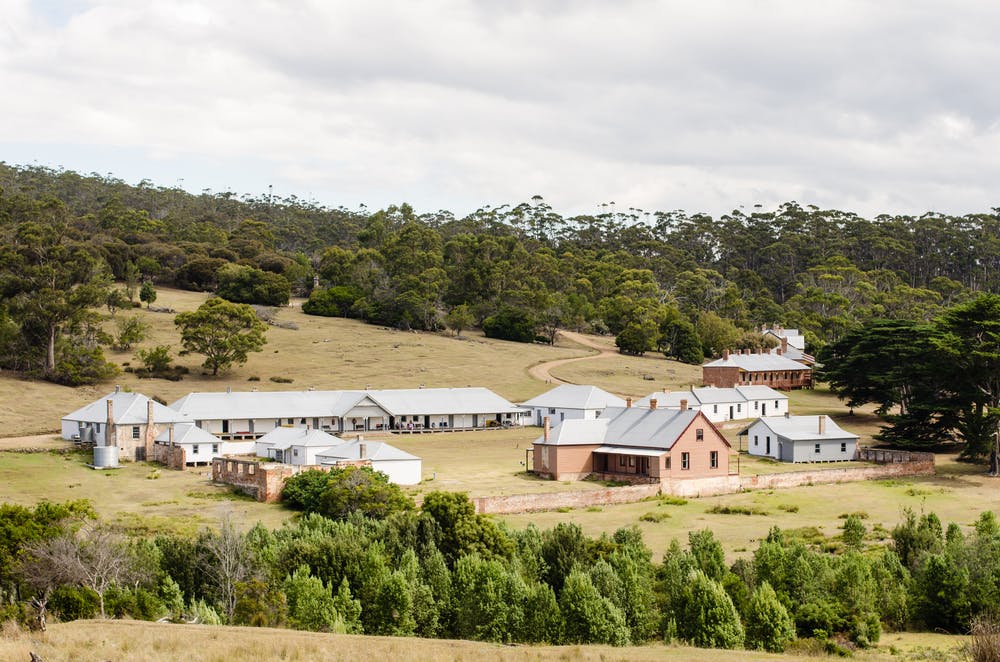 Darlington, on Maria Island, Tasmania, is one of 11 properties grouped together under the Australian Convict Sites World Heritage listing.
David Lade, Shutterstock
Darlington, on Maria Island, Tasmania, is one of 11 properties grouped together under the Australian Convict Sites World Heritage listing.
David Lade, Shutterstock
Looking ahead
Managers, stakeholders and rights-holders of World Heritage sites and other protected places, such as Ramsar wetlands and marine protected areas, can now use the toolkit to plan for current and future climate threats. They can focus on the parts most useful to them, depending on their capacity and needs. Ultimately, this resource will help protect Australia’s cultural and natural heritage.
The following people were members of the Indigenous Reference Group and are coauthors of our research paper: Bianca McNeair, Lance Syme, Chrissy Grant, Nicholas Pedrocchi, Patricia Oakley, Amy Stevens, Denis Rose, Erin Rose, Jade Gould, John Locke and Lynda Maybanks.


