

Love a good light and sound show? Spare a thought for the animals whose homes you’re invading
- Written by The Conversation
Light and sound shows in parks can enthral crowds with their colour, music and storytelling. Lasting for weeks to months, the shows provide entertainment and can boost local economies. But unless they are well-located, the shows can also harm wildlife.
A planned production at a wildlife sanctuary in outer Melbourne has brought these concerns to the fore. In April and May this year, a wildlife reserve on the Mornington Peninsula will host Harry Potter: A Forbidden Forest Experience. The event involves a two-kilometre night walk where, according to organisers, characters from the film are “brought to life”.
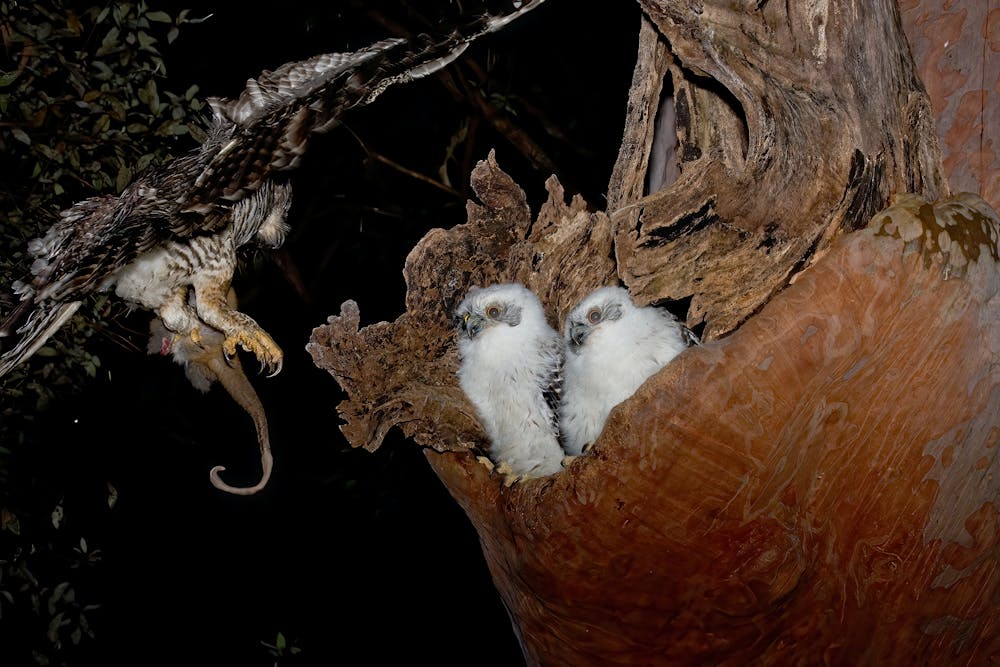
The event has prompted an outcry from people worried about the effect on the reserve’s vulnerable wildlife. The sanctuary, known as The Briars, is home to native animals including powerful and boobook owls, owlet-nightjars, koalas, wallabies, Krefft’s gliders, lizards, frogs, moths and spiders. A petition calling for the event to be relocated has attracted more than 21,000 signatures.
Research shows artificial light, sound and the presence of lots of people at night can harm wildlife. It’s not hard to see why. Imagine if a music and light show, and thousands of people, turned up at your house every night for weeks on end. How would you feel?
A history of community opposition
In addition to the lights and sounds, these shows can involve artificial smoke and animated sculptures. While they often take place along existing walking trails, they attract huge crowds at a time when animals usually have the place to themselves.
Most of Australia’s mammals and frogs and many bird and reptile species are nocturnal, or active at night. They have adapted to the natural darkness, sounds and smells of the night.
The Harry Potter experience planned for The Briars has taken place elsewhere around the world, including at a nature area near the Belgian capital of Brussels. That event, in February last year, was also opposed by locals on ecological grounds. Belgian Minister for Nature Zuhal Demir has reportedly said the show would not return this year due to concern for wildlife.
Light shows proposed for other wildlife conservation areas have also faced community opposition. In Australia, there were calls to halt the Parrtjima light festival in the Alice Springs Desert Park over potential harm to the threatened black-footed rock wallabies. The Lumina light show proposed for Mount Coot-tha in Brisbane has also attracted concern for wildlife.
Read more: Predators, prey and moonlight singing: how phases of the Moon affect native wildlife
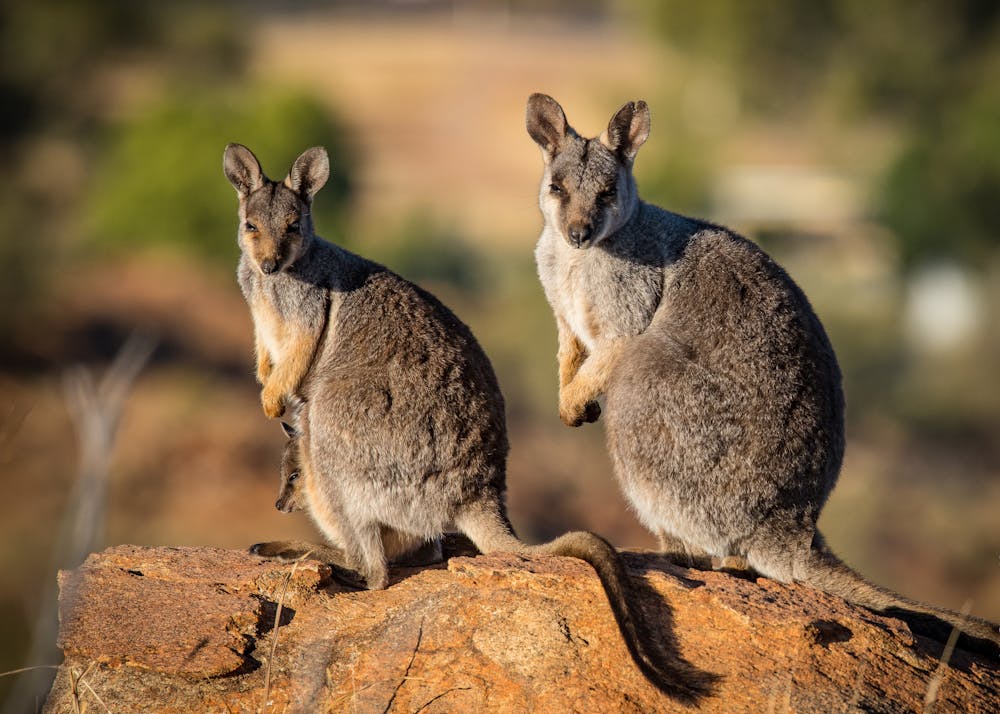 The Parrtjima light show in Alice Springs has raised concern for threatened black-footed rock wallabies.
Paul Balfe via Wikimedia Commons
The Parrtjima light show in Alice Springs has raised concern for threatened black-footed rock wallabies.
Paul Balfe via Wikimedia Commons
Light, sounds, action!
Research shows artificial light affects wildlife in many ways. For example, it can change their hormone levels, and the numbers and health of their offspring.
Light also interferes with the ability of many species to navigate. This can cause birds to become disorientated and crash. It can also prevent baby turtles from finding the sea.
Some animals will forgo feeding or drinking and attracting mates. Other animals will try to move to a darker location. In the Belgian case, locals claimed owls left the park to avoid the lights.
Studies of small mammals such as bats, micro-bats, possums and bandicoots have shown many will avoid using habitat that is artificially lit. When there is no alternative dark habitat, species forced to deal with bright conditions – whether natural or artificial – have been found to reduce their activity.
Conversely, some animals are attracted to light. Insects such as moths will cluster around the artificial light source, unable to leave. Some will become so exhausted they will become easy prey.
What’s more, human-caused noise also stresses animals and changes animal behaviour. It masks the natural soundscape, making it harder for animals to find mates or hear the calls of their young. It can also mean animals can’t hear predators or their prey.
When thousands of humans travel through an area they leave strong predator-like smells. This can be stressful for wildlife. It can also mask smells vital for an animal’s survival, such as that of food and predators.
 Small mammals such as microbats avoid habitat that is artificially lit. Pictured: Gould’s long-eared bat.
Victorian Government Department of Environment Primary Industries
Small mammals such as microbats avoid habitat that is artificially lit. Pictured: Gould’s long-eared bat.
Victorian Government Department of Environment Primary Industries
Long-term harm
When faced with all this disruption, many nocturnal animals will hide until a site returns to normal, which in the case of light shows is often close to midnight. This cuts in half the time animals have to go about their life-sustaining activities and exposes them to greater risks when they do go out.
Light and sound shows are usually temporary – but can have major long-term impacts.
In species with low birth rates and short lifespans, a disturbance to breeding can be catastrophic. For example, males of the genus Antechinus (small marsupials) live long enough for just one short breeding season. If they are disrupted, there are no second chances.
The stress of human lights, sounds, smells and disturbance can shorten an animal’s life. Stress can make them more prone to illness and create problems with sleeping, reproduction, development and growth that can last for multiple generations.
Find a better location
The Mornington Peninsula Shire Council has defended the Harry Potter event, saying the placement of props, lights and sounds has been carefully considered.
Organisers may have minimised impacts where they can, but evidence suggests the impact on wildlife will still be extensive.
The sanctuary where the event will be held is billed as “an ark – a place which nurtures, protects and celebrates the unique flora and fauna of the peninsula, now rare but not lost”. Deliberately locating a light and sound show at the reserve seems at odds with this mission.
Events such as this clearly affect wildlife. Finding genuinely suitable locations should be done with care – and should avoid wildlife conservation areas altogether.


