

Dating apps are accused of being ‘addictive’. What makes us keep swiping?
- Written by The Conversation
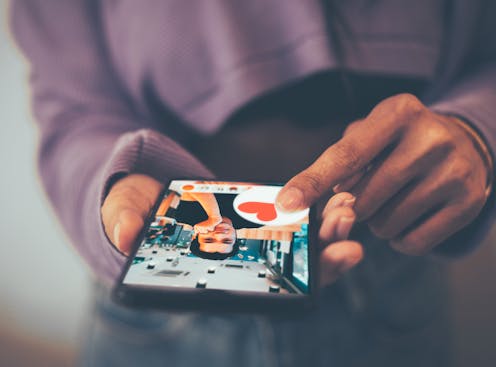
A class-action lawsuit filed in the United States against Match Group – the parent company of dating apps Tinder, Hinge and The League – is making headlines around the world.
The claimants accuse Match of having a “predatory” business model and using “recognised dopamine-manipulating product features” to get people addicted to their apps.
So, can dating apps really be addictive? Are we swiping right into a trap? Here’s the science behind how dating apps are influencing our brains.
How do apps give us a dopamine hit?
Dating apps, like many apps these days, are designed to keep users engaged. Like any product on the market, one of the developers’ goals is for the app to be sold and used.
While dating apps are designed to facilitate connections, some people may find themselves developing an unhealthy relationship with the app, constantly swiping left and right.
Dating apps can feel addictive because they activate the dopamine reward system. Dopamine is a neurotransmitter – a chemical messenger in the brain, one of many such chemicals essential for our survival.
One of dopamine’s crucial roles is to influence when and how we experience pleasure and reward. Think about the rush of winning money at a casino, or getting lots of likes on Instagram. That’s dopamine working its magic.
However, dopamine does more that just help us feel pleasure and excitement. It also has a key role in motivating us to seek out pleasurable things. It’s released not only when we experience something pleasurable, but also when we’re anticipating and seeking out a pleasurable experience.
Read more: The problems with dating apps and how they could be fixed – two relationship experts discuss
Excitement and unpredictability
Certain app features make it more likely we will open our phones and start swiping. When you get a match on a dating app, it feels exciting – that’s dopamine at work.
But an element of unpredictability adds to this excitement. Each time you open the app, you don’t know what profiles you might see, and who might match with you. This element of surprise and anticipation is especially important in getting us hooked.
Imagine if instead of swiping through profiles one by one, you were shown a long list of them at once. It would still feel good to match with people, but that excitement and anticipation of swiping through one by one would be missing.
Additionally, intermittent reinforcement comes into the mix. This is where “rewards” – in this case, matches – are provided at irregular intervals. We know we might eventually get some matches, but we don’t know when or with whom.
Imagine if instead of being drip-fed your matches, you received a list of any matches from the past 24 hours, at 9am each day. Your excitement and desire to check the app throughout the day would likely lessen.
Other small features, such as “hearts” and “roses”, make dating apps socially rewarding. These are all forms of approval. It feels different to receive a heart or a rose compared to something unemotional like a “tick” or “thumbs up”. These social stimuli are rewarding and activate our dopamine, too.
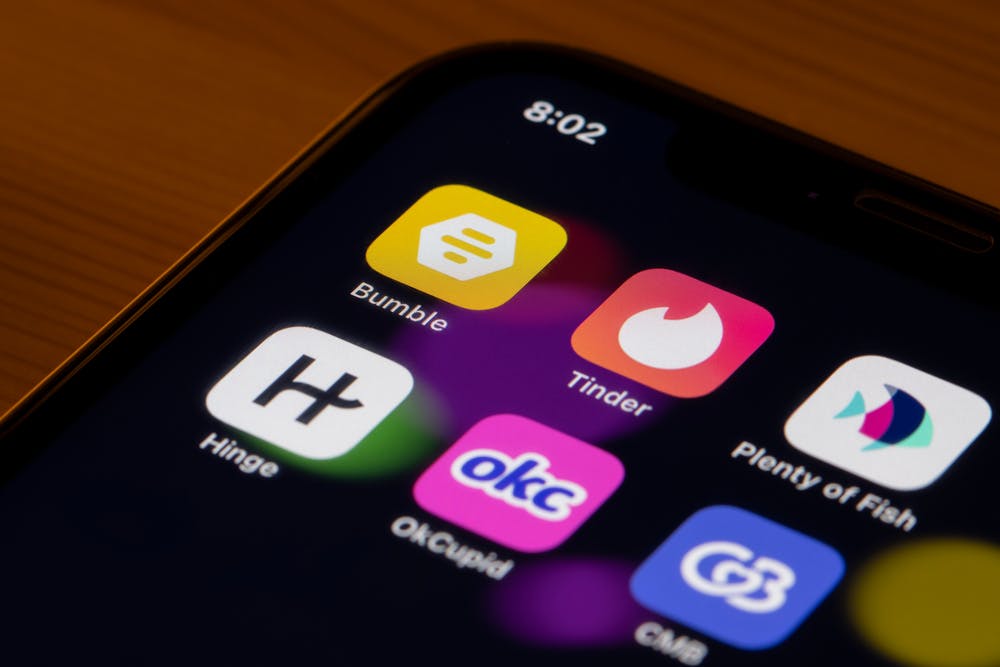
6 addictive signs to watch out for
Not every dating app user will develop an unhealthy relationship to it. Just like not everyone who gambles, plays mobile games, or drinks alcohol develops a problem with those.
However, some people are biologically more vulnerable to addictions than others. A review of the research into problematic dating app use found the people likely to spend more time on the apps are those high on personality traits such as neuroticism, sociability and sensation-seeking. Problematic use of online dating apps is also associated with low self-esteem.
While there’s no current diagnosis of a “dating app addiction”, some people do develop unhealthy app habits and experience day-to-day harms as a result.
These six “addiction components” outline some of the signs you might be developing an unhealthy relationship with dating apps:
- salience (dating app use dominates your thoughts)
- mood modification (dating apps change your mood)
- tolerance (your use of dating apps increases over time)
- withdrawals (distress when dating app use is interrupted for a period of time)
- conflict (use of dating apps negatively affects your reality)
- relapse (you return to a previous pattern of dating app use after some interruption)
Oh no, I think I’m hooked on an app!
So, what can you do if you find yourself swiping through those matches more than you’d prefer?
Consider taking a break from the apps for a period of time. Depending on how hooked you feel, stopping completely for a while will help you reset your reliance on them.
Consider what is driving you to spend time swiping: are you feeling bored, sad or lonely? What other ways can you find to soothe these emotional experiences instead of turning to the app?
Make a list of the practical or emotional consequences of swiping, as a reminder of why you want to reduce your use. Perhaps the apps give you a brief rush, but in the long run don’t align with how you want to be spending your time, or don’t make you feel particularly good about yourself.
If you really do feel hooked, it will feel uncomfortable to take a break. Strategies such as mindfulness can help us sit with the discomfort. Consider seeking out professional help from a psychologist if you’re struggling to take time from dating apps.
Lastly, remember that apps, while great for meeting people, are not the be-all and end-all of dating.
In-person events and opportunities to mingle still exist. So, step away from the screen and embrace the excitement, unpredictability and dopamine hit you can get from face-to-face encounters too.
Read more: Online dating fatigue – why some people are turning to face-to-face apps first


