

Whooping cough is surging in Australia. Why, and how can we protect ourselves?
- Written by The Conversation
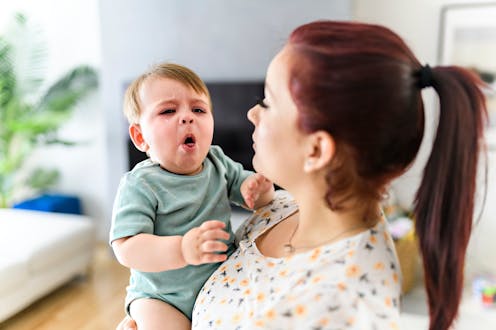
Australia is facing a whooping cough outbreak. Some 2,799 cases were recorded in the first three months of 2024. Cases are highest in Queensland and New South Wales, with more than 1,000 recorded in each state.
The last time Queensland recorded more than 1,000 cases in three months was the first quarter of 2013. This was at the tail end of a significant outbreak that spanned 2008 until 2012 – Australia’s largest reported outbreak since the widespread introduction of whooping cough vaccines in the 1950s. More than 140,000 cases were recorded during this period, with the number peaking at 38,748 in 2011.
There was a smaller outbreak between 2014 and 2017, with more than 60,000 cases in these years.
So what is whooping cough, why are cases rising now, and how can you protect yourself?
It’s most dangerous for babies
Whooping cough is a serious and highly contagious respiratory disease. Also called pertussis, it’s caused by the bacteria Bordetella pertussis.
The initial symptoms of whooping cough resemble other cold and flu-like symptoms. These include runny nose, sneezing, mild cough and fever. However, as the disease progresses into the second week, the coughing fits become worse and more frequent. After or between bouts of coughing, patients may gasp for air and produce the characteristic “whoop” noise.
The disease is also sometimes called the “100-day cough” as it can last for 6–12 weeks. It’s especially serious and can be life-threatening in newborns who are yet to receive their vaccinations. In older children who are fully vaccinated, as well as adolescents and adults, the disease is normally less severe. However, even in adults, the coughing can lead to fractured ribs.
Antibiotics are used to treat whooping cough but are most effective when given during the initial stages of the illness. The best protection in the first instance is vaccination, which prevents most cases of serious illness, and reduces the spread of whooping cough in the community.
It’s recommended children are given six doses of a whooping cough vaccine (which is combined with vaccines for other diseases) between the ages of roughly two months and 13 years. Vaccination is free under the National Immunisation Program for children and pregnant women. Vaccinating women against whooping cough during pregnancy protects newborns in their first months of life.
Immunity from these vaccines wanes over time, so it’s also recommended adults receive a booster, particularly those who may come into frequent contact with babies.
Why are cases rising now?
Whooping cough outbreaks generally occur every 3–4 years. Due to COVID measures such as border closures, social isolation and masks, the number of cases declined dramatically during 2020–23. If trends had followed the usual outbreak cycle, this might have been around the time we’d have seen another outbreak.
Missed routine whooping cough vaccinations at the height of the pandemic may mean Australia is more vulnerable now. Reduced immunity in the population could be one of the reasons we’re seeing a rise in whooping cough cases in Australia and other countries including the United Kingdom and the United States.
In Australia, cases have been particularly high during this outbreak in children aged 10–14.
A potential superbug
Over the past two decades, whooping cough has been getting better at evading vaccines and antibiotics. Most vaccines used in Australia and other developed countries stimulate your immune system to recognise and target three to five components of the bacteria.
Over time, the bacteria that causes whooping cough has been slowly acquiring mutations in these genes. These mutations make the bacteria look slightly different to the one used in the vaccine, helping it better hide from the immune system.
Most of these changes were small. But in 2008, a new strain appeared in Australia that no longer produced pertactin, one of the components targeted by the vaccine. This means your immune system, like a detective, has one less clue to recognise the bacteria.
This new strain rapidly increased from 5% of strains found in 2008, to become the dominant strain in less than ten years, making up 90% of strains by 2017. This pertactin-negative strain was shown to survive better in vaccinated mice and may have contributed to the high number of cases in the 2008–12 outbreak.
Worryingly, since 2013, antibiotic-resistant strains of whooping cough have become widespread in China. While there are other antibiotics available, these are not recommended for infants younger than two months (the age group at most risk of serious disease). These resistant strains are increasingly spreading through Asia but are not yet in Australia.
What next?
It’s too early to know how big this outbreak will be or what strains are responsible for it. Greater tracking of whooping cough strains, like we do with COVID, is needed to inform future vaccine design and treatments.
Importantly, although the bacteria is evolving, current vaccines are still very effective at preventing serious disease and reducing transmission. They remain our best tool to limit this outbreak.
To protect oneself, vulnerable newborns, and the wider community, everyone should ensure they are up-to-date with their whooping cough vaccinations. You can check this with your GP if you’re not sure. And anyone with cold or flu-like symptoms should stay away from infants.


