

Ricezempic: is there any evidence this TikTok trend will help you lose weight?
- Written by The Conversation
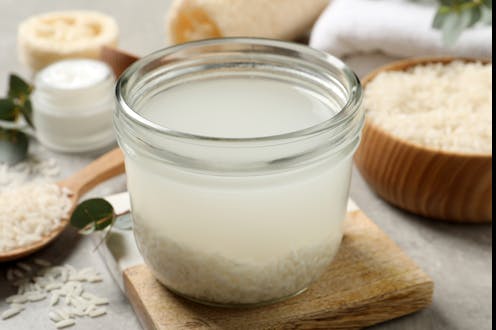
If you spend any time looking at diet and lifestyle content on social media, you may well have encountered a variety of weight loss “hacks”.
One of the more recent trends is a home-made drink called ricezempic, made by soaking uncooked rice and then straining it to drink the leftover starchy water. Sounds delicious, right?
Its proponents claim it leads to weight loss by making you feel fuller for longer and suppressing your appetite, working in a similar way to the sought-after drug Ozempic – hence the name.
So does this drink actually mimic the weight loss effects of Ozempic? Spoiler alert – probably not. But let’s look at what the evidence tells us.
How do you make ricezempic?
While the recipe can vary slightly depending on who you ask, the most common steps to make ricezempic are:
soak half a cup of white rice (unrinsed) in one cup of warm or hot water up to overnight
drain the rice mixture into a fresh glass using a strainer
discard the rice (but keep the starchy water)
add the juice of half a lime or lemon to the starchy water and drink.
TikTokers advise that best results will happen if you drink this concoction once a day, first thing in the morning, before eating.
The idea is that the longer you consume ricezempic for, the more weight you’ll lose. Some claim introducing the drink into your diet can lead to a weight loss of up to 27 kilograms in two months.
Resistant starch
Those touting ricezempic argue it leads to weight loss because of the resistant starch rice contains. Resistant starch is a type of dietary fibre (also classified as a prebiotic). There’s no strong evidence it makes you feel fuller for longer, but it does have proven health benefits.
Studies have shown consuming resistant starch may help regulate blood sugar, aid weight loss and improve gut health.
Research has also shown eating resistant starch reduces the risk of obesity, diabetes, heart disease and other chronic diseases.
Resistant starch is found in many foods. These include beans, lentils, wholegrains (oats, barley, and rice – particularly brown rice), bananas (especially when they’re under-ripe or green), potatoes, and nuts and seeds (particularly chia seeds, flaxseeds and almonds).
Half a cup of uncooked white rice (as per the ricezempic recipe) contains around 0.6 grams of resistant starch. For optimal health benefits, a daily intake of 15–20 grams of resistant starch is recommended. Although there is no concrete evidence on the amount of resistant starch that leaches from rice into water, it’s likely to be significantly less than 0.6 grams as the whole rice grain is not being consumed.
Ricezempic vs Ozempic
Ozempic was originally developed to help people with diabetes manage their blood sugar levels but is now commonly used for weight loss.
Ozempic, along with similar medications such as Wegovy and Trulicity, is a glucagon-like peptide-1 (GLP-1) receptor agonist. These drugs mimic the GLP-1 hormone the body naturally produces. By doing so, they slow down the digestive process, which helps people feel fuller for longer, and curbs their appetite.
While the resistant starch in rice could induce some similar benefits to Ozempic (such as feeling full and therefore reducing energy intake), no scientific studies have trialled ricezempic using the recipes promoted on social media.
Ozempic has a long half-life, remaining active in the body for about seven days. In contrast, consuming one cup of rice provides a feeling of fullness for only a few hours. And simply soaking rice in water and drinking the starchy water will not provide the same level of satiety as eating the rice itself.
Other ways to get resistant starch in your diet
There are several ways to consume more resistant starch while also gaining additional nutrients and vitamins compared to what you get from ricezempic.
1. Cooked and cooled rice
Letting cooked rice cool over time increases its resistant starch content. Reheating the rice does not significantly reduce the amount of resistant starch that forms during cooling. Brown rice is preferable to white rice due to its higher fibre content and additional micronutrients such as phosphorus and magnesium.
2. More legumes
These are high in resistant starch and have been shown to promote weight management when eaten regularly. Why not try a recipe that has pinto beans, chickpeas, black beans or peas for dinner tonight?
3. Cooked and cooled potatoes
Cooking potatoes and allowing them to cool for at least a few hours increases their resistant starch content. Fully cooled potatoes are a rich source of resistant starch and also provide essential nutrients like potassium and vitamin C. Making a potato salad as a side dish is a great way to get these benefits.
In a nutshell
Although many people on social media have reported benefits, there’s no scientific evidence drinking rice water or “ricezempic” is effective for weight loss. You probably won’t see any significant changes in your weight by drinking ricezempic and making no other adjustments to your diet or lifestyle.
While the drink may provide a small amount of resistant starch residue from the rice, and some hydration from the water, consuming foods that contain resistant starch in their full form would offer significantly more nutritional benefits.
More broadly, be weary of the weight loss hacks you see on social media. Achieving lasting weight loss boils down to gradually adopting healthy eating habits and regular exercise, ensuring these changes become lifelong habits.


