

60 years and 14 Doctors: how Doctor Who has changed with the times – and Ncuti Gatwa's casting is the natural next step
- Written by The Conversation
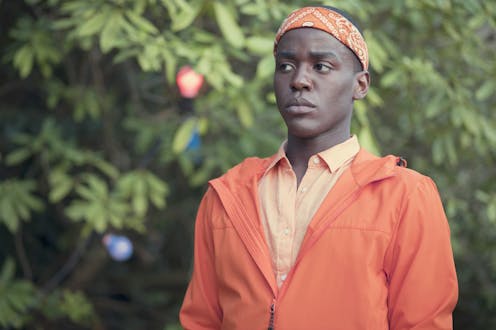
The BBC’s announcement that the Rwandan-Scottish actor Ncuti Gatwa will play Doctor Who from 2023 is making global headlines.
Even people who don’t watch the show have been taking to social media to comment about Gatwa’s casting. The announcement makes his the 14th casting of the show’s lead actor, the 13th to be male and the first ever to be a person of colour.
Despite a few of the usual gloomy voices, there is genuine excitement among both fans and casual viewers, proving that his casting means the 14th Doctor and the show’s 60th year look to be special.

Changing with the times
Necessity is the mother of invention, as the saying goes, and necessity has enabled Doctor Who’s incredible near six decades of (interrupted) production to become the world’s most enduring science fiction series.
William Hartnell, a veteran film and stage actor, was announced as the lead in a new science fiction series in 1963 and viewers watched his adventures in space and time over the next three years.
By October 1966, Hartnell was exhausted and unwell, arteriosclerosis affecting his ability to learn lines. The BBC could cancel the show, or, do something inventive and keep the character and series intact but change the lead actor.
Patrick Troughton, another respected and prolific actor, became the Doctor. Because the Doctor is an alien Time Lord, the character has the ability to regenerate when his or her body becomes old, ill, or injured. The excellence of Troughton’s performance meant the renewal of the character was a success, now repeated more than a dozen times.
Thinking of the incredible contrast between Hartnell and Gatwa, is reminder of not only how long Doctor Who has lasted, but how the British acting profession and indeed Britain itself has changed.
Born in Edwardian England in 1908, before the invention of television and before films had sound, Hartnell was an established leading man in his mid 50s when cast as the Doctor. Gatwa is a child of the nineties, born 1992.
From Hartnell to Gatwa
The black and white Doctor Who of the Hartnell era was also monochrome in more ways than one. An all-white leading cast of the Doctor and his companions reflected the demographics of the British acting profession of the time.
Gatwa’s casting in Doctor Who is owed to what the showrunner Russell T Davies called a brilliant and show stealing audition. His acting credentials are already sky high after the massive success of Sex Education.
Read more: Netflix's Sex Education is doing sex education better than most schools
Doctor Who has a history of showcasing not only performers from minority backgrounds but narratives and histories of people of colour.
Besides the casting of Noel Clarke, Freema Agyeman and Pearl Mackie, to most recently Tosin Cole and Mandip Gill, the series has made casting choices that insist on the presence of black and minority ethnic people in Britain’s future and past.
The classic Doctor Who (made 1963-1989) did cast actors from minority backgrounds, but not as Doctors or companions. Since the David Tennant era (2005-2010) the show runners have made diversity part of their casting process for leads and guests alike.
Sophie Okonedo played Liz X, a British queen in the far future, while stories set in Roman Britain and 16th and 17th century England made casting choices that reflected the historically accurate presence of black people in pre-modern and early modern England.
Gender is not scary
To say that in 2017 the casting of Jodie Whittaker as the Doctor after 12 men in succession caused an epic meltdown is an understatement.
The Australian comedian Mark Humphries hilariously satirised the reactions of mostly older male fans in a sketch offering a helpline for Doctor Who fans unable to cope with the “new reality: a fictional alien that is a woman”.
Immediately after her casting, Whittaker had to assure male fans not be afraid of her gender. The anger and fear that, from some quarters, greeted her casting also prompted soul searching among fans on the sometimes unwelcoming space that fandom can be for females.
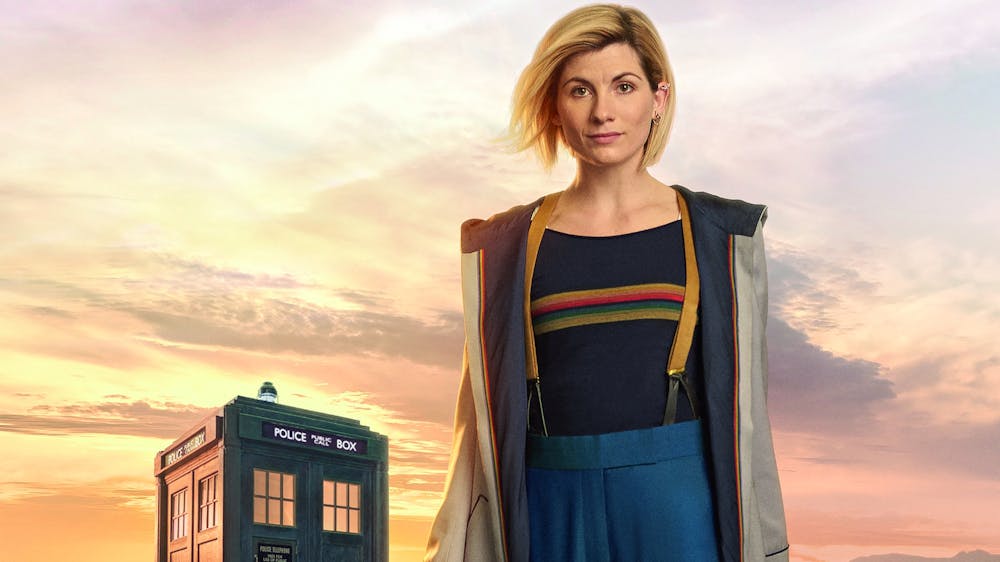 Jodie Whittaker as the 13th Doctor.
Wikipedia
Jodie Whittaker as the 13th Doctor.
Wikipedia
Towards 60 years
It is unlikely that Gatwa’s casting will provoke satire based on race the way Whittaker’s did on gender. However with the announcement only days old, already there is counter reaction.
The conservative Telegraph has declared this shows Doctor Who’s producers no longer care about pleasing “legacy fans”, presumably suggesting that viewers old enough to remember William Hartnell can’t cope with Ncuti Gatwa.
However doomsayers predicted the show would implode with a female lead: clearly it did not. Gatwa not only brings a huge following from Sex Education but a high social media profile.
He will be the lead for the show’s 60th anniversary special. What that special will involve is as yet unknown, but 60 is an astonishing age for a television program to reach.
When played by Hartnell, the Doctor cautioned against pessimism: “there must be no tears, no regrets, no anxieties” he said, a hopeful sentiment worth remembering as we watch a young actor take the TARDIS into a new decade.


