

Are sports stars who are caught using illegal drugs unfairly vilified?
- Written by The Conversation
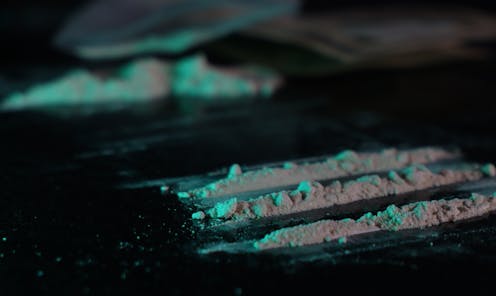
With the Paris Olympics and Paralympics wrapped up, and leading Australian sports codes coming to an end of their 2024 seasons, many athletes will be celebrating well-earned wins and commiserating losses.
While this is a joyous occasion for most, some are likely to find themselves in a scandal involving illicit drugs.
Many readers will recall the damning headlines during the Paris Olympics when Australian hockey player Tom Craig was arrested (and released without charge) for allegedly buying cocaine.
As the former Olympic silver medallist was swarmed by media, Craig apologised, before being sent home without Olympic privileges and later suspended from playing for the national team for 12 months.
Less than a week later, National Rugby League (NRL) star Latrell Mitchell similarly found himself in hot water when a photo of him with white powder was leaked online.
Mitchell claimed he had made “poor decisions” and has now been fined $40,000 and suspended for one game for bringing the game into disrepute.
Drugs in sport
When it comes to athletes and drugs, we typically think of steroids.
These performance-enhancing drugs are prohibited for use among athletes according to Sports Integrity Australia and the World Anti-Doping Agency (WADA).
For a drug to be on the prohibited list it must meet two of the three following conditions: 1) it has the potential to enhance performance 2) it has the potential to risk athlete’s health and 3) it violates the spirit of the sport.
It isn’t surprising drugs that give athletes a competitive edge are banned.
Interestingly, illicit drugs like cocaine and MDMA (ecstasy) are also on the WADA prohibited list, despite no convincing evidence to suggest they can improve athletic performance.
Risk-takers and sensation-seekers
Australia is a sport-loving nation. Many of us celebrate our athletes’ risk-taking and aggression.
So why are we surprised when these same behaviours, risk-taking and aggression, can sometimes lead to drug use?
After decades of research, it is now increasingly clear that risk-taking, aggression and sensation seeking – personality characteristics that help build a great athlete – are also linked with increased drug and alcohol use.
This association is even stronger among men under the age of 25.
There are a wide range of reasons for why people, including athletes, use drugs.
Not only are drugs often used to cope with the emotional pressure that can be extreme in professional sport but also as a way of managing the pain associated with physical injuries.
Often referred to as the “self-medication hypothesis”, some people use drugs and alcohol to manage their mental health. But it has actually been shown to often intensify mental health symptoms.
This also appears to be the case for managing physical health.
For instance, chronic pain is the leading reason for why people seek medicinal cannabis in Australia.
Despite this, there is limited evidence that cannabis and other illicit drugs are effective long-term in reducing pain.
Overall, whether it is due to their personality, emotional pressure or physical health, our sports stars are vulnerable to using drugs.
Social influences
The World Anti-Doping Code specifically defines “the spirit of sport” as the ethical pursuit of human excellence through the dedicated perfection of each athlete’s natural talents.
This is a high bar. It is no surprise then that we as a community are seemingly outraged when an athlete is “caught” not meeting these high expectations.
Perhaps we need to better disentangle perfection in sport from perfection in character.
Many believe these athletes are role models who should be setting a good example for young people.
It is true that social influence plays an important role in drug use among young people, but this doesn’t mean those who we look up to are at fault.
Instead, we need to have better conversations with young people about drug use.
Most importantly, this conversation needs to be evidence-based without personal criticism or judgement.
What can be done?
Stigmatising drug use can cause psychological distress, making the situation even worse.
To ensure a trustworthy relationship, we need to share facts with young people.
In 2021-2022, almost half of all Australians over the age of 14 reported illicit drug use, most of whom would have not experienced any health problems because of their use.
While the safest way to avoid harms from drugs is not to use, the “say no to drugs” message does not work. In some cases, this strategy can even be harmful, particularly for those who use drugs and are denied support or treatment.
Everyone deserves resources that can help them manage their drug use and well-being without judgement.
It is crucial we equip young people with skills and strategies to not only avoid drugs but to make evidence-informed choices and minimise the risk of any harms if they do choose to use.
Why shouldn’t similar compassion and support be shown towards our athletes?
Practical, evidence-based resources and further support can be found at Positive Choices or the National Alcohol and Other Drug hotline: 1800 250 015.


