

The medicines we take to stay healthy are harming nature. Here’s what needs to change
- Written by The Conversation
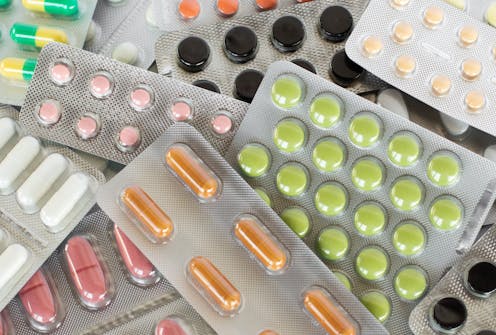
Evidence is mounting that modern medicines present a growing threat to ecosystems around the world. The chemicals humans ingest to stay healthy are harming fish and other animals.
Modern pharmaceuticals have revolutionised disease prevention and treatment. But after our bodies use medicines, they excrete them. Eventually, the chemicals can end up in rivers, oceans and soils.
This is a problem, because medicines designed to treat humans can also affect other species in serious ways, changing their bodies and behaviour. The chemicals can also pass through food webs and affect animals higher up the chain.
Urgent action is needed to design drugs that work on humans, but don’t harm nature.
Evidence of harm
In the past two decades, studies have emerged showing the extent to which medicines persist in nature.
In August this year, Australian researchers found the antidepressant fluoxetine – sold under the brand name Prozac, among others – can harm male guppies in ways that affected their body condition and breeding.
Research in 2022 examined pharmaceuticals in rivers in 104 countries of all continents. It found pharmaceutical contaminants posed a threat to the health of the environment or humans in more than a quarter of locations studied.
In 2018, a study of watercourses and surrounds in Melbourne found more than 60 pharmaceutical compounds in aquatic invertebrates and spiders.
Researchers in the United States have found hormones in the contraceptive pill have caused male fish to produce a protein usually produced by female fish. This “feminisation” led to collapses in fish populations.
And a psychoactive drug found in wastewater effluent has been found to alter wild fish behaviour and feeding.

Benign by design
So how do we solve this problem?
More effective and economical wastewater treatments must be developed to remove pharmaceuticals from wastewater before it is discharged into the environment.
In addition, researchers developing pharmaceuticals must adopt a “benign by design” approach across the entire life of a drug.
From the outset, drugs must be designed to decompose quickly and fully after being excreted by humans. It’s possible for drug scientists to alter the chemical and physical properties of drugs so after humans excrete them, the active ingredients mineralise, or change form, to base substances such as carbon dioxide and water.
Traditionally researchers have designed drugs not to break down, either on the shelf or in the human body. While these properties remain important, drug developers should ensure medicines degrade quickly once in the environment.
Taking action
The principles of sustainable drug discovery should be included in Australia’s academic curriculum.
This would hopefully produce a generation of drug researchers who prioritise, where possible, medications that don’t harm the environment.
Regulation is also needed to ensure “greener” drug development. The International Pharmaceutical Federation last year took steps in this direction. The global body, representing more than 4 million pharmacists and pharmaceutical scientists, released a statement calling for all medicines to be rigorously tested for environmental risk.
The European Medicines agency has gone even further. It requires the environmental risk of a medicine to be assessed before it’s approved for use.
The assessment considers a medicine’s chemical properties, potential ecological harm and where in the environment it may end up, such as water or soil. Pharmaceutical companies are also required to produce waste management plans that minimise environmental impact.
Research has found Australia lags behind on introducing similar requirements for environmental risk assessments for medicines.
By prioritising eco-friendly practices, the pharmaceutical sector can contribute to a healthier planet, while continuing to provide safe and effective medicines.
Everyday Australians can also take action to reduce environmental pollution from medicines. The federal government’s Return Unwanted Medicines project allows household drugs to be returned to pharmacies for safe and correct disposal.
By dropping off old medicines to your local chemist – instead of flushing or throwing them away, as some people mistakenly do – you can help look after fish and other wildlife in your area.


