

Australia is hosting the world’s first ‘nature positive’ summit. What is it, and why does it matter?
- Written by The Conversation
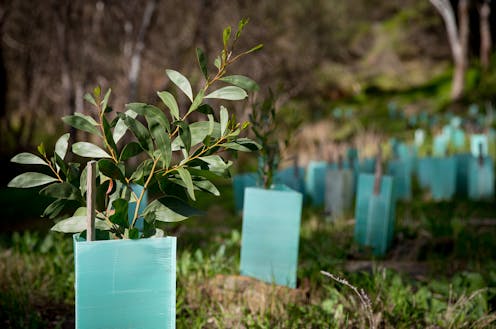
This week, Australia hosts the inaugural Global Nature Positive Summit in Sydney. It comes at a crucial time: biodiversity loss and ecosystem collapse is one of the biggest risks the world faces in the next decade.
The event, which begins tomorrow, brings together leaders from government, business, academia, environment groups and Indigenous Peoples. Together, they will seek ways to drive investment in nature and improve its protection and repair.
More than half the world’s economy directly depends on nature. Biodiversity loss threatens global financial stability, putting at least US$44 trillion (A$64 trillion) of economic value at risk.
Industries such as agriculture, fishing, forestry, tourism, water and resources rely heavily on nature. But ultimately, all of humanity depends on the natural world – for clean air, water, food, and a liveable climate.
In Australia significant investment is needed to reverse the decline in our natural environment. It will require action from governments, landholders and the private sector.
That’s why this week’s summit is so important. Nature conservation and restoration is expensive and often difficult. The task is beyond the capacity of governments alone.
What’s going on at the summit?
According to the World Economic Forum, “nature positive” is an economic worldview that goes beyond limiting environmental damage and aims to actually improve ecosystems.
Under the Kunming-Montreal Global Biodiversity Framework, to which almost 200 countries have signed up, at least 30% of land and waters must be protected or restored by 2030. The summit is exploring ways to realise this global commitment, which is also known as the 30x30 target.
The federal and New South Wales governments are co-hosting the event.
Federal Environment Minister Tanya Plibersek will address the summit on day one, outlining her government’s Nature Positive Plan. It commits to the 30x30 target as well as “zero new extinctions”. Achieving these commitments involves environmental law reform, setting up a Nature Repair Market and establishing a national Environment Protection Agency.
Delegates are expected to demonstrate their commitment and progress towards the 30x30 goal. They will then turn to the main point of the summit: building consensus on the economic settings needed to increase private investment in nature.
Finance models and corporate partnerships are on the agenda, along with how to make this work, including how to measure, monitor and report on progress and manage risk.
Sessions will focus on specific sectors of the environment such as agriculture and farming, cities, oceans and forests. On Thursday, delegates will visit nature sites around Sydney.
Creating a market to incentivise biodiversity investment | 7.30.Investing in a market for nature repair
Substantial co-investment from the private sector, including landholders, will be required to repair and protect nature at the scale required.
Market-based approaches can drive private investment in natural resources. But most existing environmental markets focus on water and carbon. A more holistic approach, including nature repair, is needed.
Australia’s Nature Positive Plan includes building a nature repair market. This world-first measure is a legislated, national, voluntary biodiversity market in which individuals and organisations undertake nature repair projects to generate a tradeable certificate. The certificate can be sold to generate income. Demand for certificates is expected to grow over time.
But the role the government will take remains unclear. For example, will the government both regulate market prices and decide what, in a scientific sense, amounts to repairing nature?
On day two, the summit explores how nature markets can unlock new sources of finance. We can expect this discussion to include ways carbon and biodiversity markets can work together: so-called “carbon-plus” outcomes.
For example, when landholders conserve vegetation, the plants can both draw carbon dioxide from the atmosphere and provide habitat for animals, preventing biodiversity loss. Markets could be designed so landholders are rewarded for achieving these dual results.
Significant economic returns
Under optimistic estimates, the global nature-positive transition will unlock business opportunities worth an estimated US$10 trillion (almost A$15 trillion) a year and create 395 million jobs by 2030.
The potential benefits for Australia are also substantial. They include benefits to nature such as restoring habitat for wildlife, while storing carbon. It can also provide returns for agriculture, by improving land value, yield and quality.
A strong nature-positive stance from Australia will also help safeguard our access to global markets. For example, the European Union has already established trade barriers to imports that damage forests. This could have serious consequences for the Australian beef industry.
So the potential benefits have to be weighed against the risks of not doing anything. The summit is a chance to get a wide range of people on board, working towards a shared vision of a more positive future.
It’s time for a nature-positive mindset
The Albanese Labor government came to power promising to overhaul Australia’s national environment laws, following a scathing independent review.
When the summit was conceived, the government may have envisaged having cause for celebration by now. But some proposed reforms stalled in the Senate.
Nonetheless, the Nature Repair Market, a significant government win, is taking shape.
This week’s summit offers Australia an opportunity to show the world we have embraced the nature-positive mindset. There really is no time to waste.
Australia, the sixth most biodiverse country in the world, has listed 2,224 species and ecological communities as threatened with extinction. These losses are predicted to escalate if we continue business as usual and allow continued decline of ecosystems.
Despite having pledged to end deforestation by 2030, Australia is the only deforestation hotspot among developed nations. Land clearing continues apace in northern Australia, often without being assessed under national environmental laws.
We desperately need to reverse the decline in nature, once and for all.


