

The science of happier dogs: 5 tips to help your canine friends live their best life
- Written by The Conversation
When you hear about “science focused on how dogs can live their best lives with us” it sounds like an imaginary job made up by a child. However, the field of animal welfare science is real and influential.
As our most popular animal companion and coworker, dogs are very deserving of scientific attention. In recent years we’ve learned more about how dogs are similar to people, but also how they are distinctly themselves.
We often think about how dogs help us – as companions, working as detectors, and keeping us safe and healthy. Dog-centric science helps us think about the world from a four-paw perspective and apply this new knowledge so dogs can enjoy a good life.
Here are five tips to keep the tails in your life wagging happily.
1. Let dogs sniff
Sniffing makes dogs happier. We tend to forget they live in a smell-based world because we’re so visual. Often taking the dog for a walk is our daily physical activity but we should remember it could be our dogs’ only time out of the home environment.
Letting them have a really good sniff of that tree or post is full of satisfying information for them. It’s their nose’s equivalent of us standing at the top of a mountain and enjoying a rich, colour-soaked, sunset view.
2. Give dogs agency
Agency is a hot topic in animal welfare science right now. For people who lived through the frustration of strict lockdowns in the early years of COVID, it’s easy to remember how not being able to go where we wanted, or see who we wanted, when we wanted, impacted our mental health.
We’ve now learned that giving animals choice and control in their lives is important for their mental wellbeing too. We can help our dogs enjoy better welfare by creating more choices and offering them control to exercise their agency.
This might be installing a doggy door so they can go outside or inside when they like. It could be letting them decide which sniffy path to take through your local park. Perhaps it’s choosing which three toys to play with that day from a larger collection that gets rotated around. Maybe it’s putting an old blanket down in a new location where you’ve noticed the sun hits the floor for them to relax on.
Providing choices doesn’t have to be complicated or expensive.
3. Recognise all dogs are individuals
People commonly ascribe certain personality traits to certain dog breeds. But just like us, dogs have their own personalities and preferences. Not all dogs are going to like the same things and a new dog we live with may be completely different to the last one.
One dog might like to go to the dog park and run around with other dogs at high speed for an hour, while another dog would much rather hang out with you chewing on something in the garden.
We can see as much behavioural variation within breeds as we do between them. Being prepared to meet dogs where they are, as individuals, is important to their welfare.
As well as noticing what dogs like to do as individuals, it’s important not to force dogs into situations they don’t enjoy. Pay attention to behaviour that indicates dogs aren’t comfortable, such as looking away, licking their lips or yawning.

4. Respect dogs’ choice to opt out
Even in our homes, we can provide options if our dogs don’t want to share in every activity with us. Having a quiet place that dogs can retreat to is really important in enabling them to opt out if they want to.
If you’re watching television loudly, it may be too much for their sensitive ears. Ensure a door is open to another room so they can retreat. Some dogs might feel overwhelmed when visitors come over; giving them somewhere safe and quiet to go rather than forcing an interaction will help them cope.
Dogs can be terrific role models for children when teaching empathy. We can demonstrate consent by letting dogs approach us for pats and depart when they want. Like seeing exotic animals perform in circuses, dressing up dogs for our own entertainment seems to have had its day. If you asked most dogs, they don’t want to wear costumes or be part of your Halloween adventures.
5. Opportunities for off-lead activity – safely.
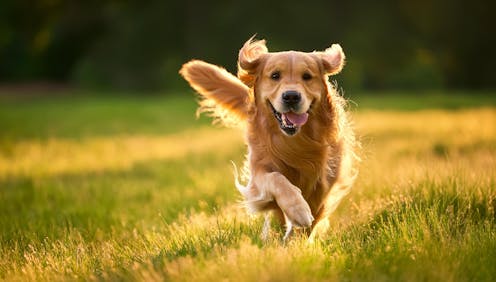
When dogs are allowed to run off-lead, they use space differently. They tend to explore more widely and go faster than they do when walking with us on-lead. This offers them important and fun physical activity to keep them fit and healthy.
Demonstrating how dogs walk differently when on- and off-lead.A recent exploration of how liveable cities are for dogs mapped all the designated areas for dogs to run off-leash. Doggy density ranged from one dog for every six people to one dog for every 30 people, depending on where you live.
It also considered how access to these areas related to the annual registration fees for dogs in each government area compared, with surprising differences noted across greater Melbourne. We noted fees varied between A$37 and $84, and these didn’t relate to how many off-lead areas you could access.
For dog-loving nations, such as Australia, helping our canine friends live their best life feels good. Science that comes from a four-paw perspective can help us reconsider our everyday interactions with dogs and influence positive changes so we can live well, together.


