

I have hay fever. How can I tell what I’m allergic to?
- Written by The Conversation
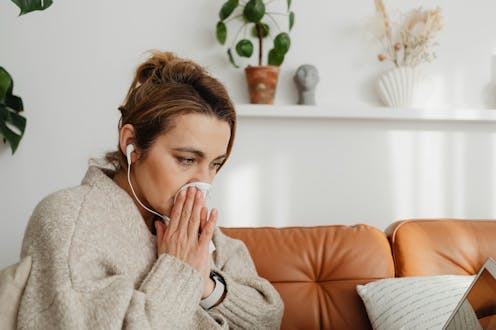
When we think of spring we think of warming weather, birdsong and flowers. But for many people, this also means the return of their seasonal hay fever symptoms.
Around 24% of Australians get hay fever, with sneezing, a runny or blocked nose, and itchy or watery eyes the most common symptoms. In severe cases, this may impact sleep and concentration, or be linked to increased frequency of sinus infections.
The exact timing of the symptoms depends on your exposure to an allergen – the thing you’re allergic to. Those impacted by tree pollen (from plane trees or cypress pine, for example) may experience symptoms at different times of the year than those impacted by grass pollen (such as rye grass). This will also vary around the country.
In Perth, for example, tree pollen (cypress pine) is generally present in August to October, while grass pollen counts tend to be highest in October to November. Other cities and regions may have longer pollen seasons, which may extend further into summer.
Remind me, how does hay fever impact the body?
What we know colloquially as hay fever is called allergic rhinitis. Exposure to a specific allergen (or allergens) triggers an immune response in the body. This leads to inflammation and swelling of the tissue lining the nasal passages in the nose.
A range of allergens may trigger such a response: pollen (from trees, grass or weeds), dust mites, pet fur, dander, mould and some air pollutants.
Those with allergies that are only present for part of the year, such as pollen, experience what we call seasonal hay fever, while those with allergies that may be present at any time, such as dust mites and pet dander, experience perennial hay fever.
Getting a diagnosis
Many people with hay fever self-manage their symptoms by limiting exposure to allergens and using over-the-counter antihistamines and steroid nasal sprays.
But this may require assistance from your GP and confirmation that what you’re experiencing is hay fever. Your GP can assess your symptoms and medical history, provide a diagnosis, and help with treating and managing your symptoms.
Your GP may also be able help you identify potential allergens, based on when you experience symptoms and the environments to which you’re exposed.
If symptoms persist, your GP may suggest allergy testing. They may refer you to a specialist called an immunologist, to determine what particular allergen is causing your symptoms, using skin prick tests or blood tests. Tests typically involve controlled exposure to small quantities of suspected allergens.
But note, there are a number of tests marketed online that are unproven and not recommended by reputable bodies.
How else can I work out what I’m allergic to?
For those with seasonal hay fever, resources are available to help manage exposures, based on the flowering seasons for common allergy-related species or through pollen forecasting services.
The Australian Society of Clinical Immunology and Allergy provides a useful pollen guide for each species and when they’re most likely to cause symptoms, broken down for each state and territory.
Pollen monitoring and forecasting services – such as Perth Pollen, Melbourne Pollen and Sydney Pollen, as well as for other cities – can help you plan outdoor activities.
There are also associated phone apps for these services, which can give notifications when the pollen count is high. You can down load these apps (such as AirRater, Perth Pollen, Melbourne Pollen and Sydney Pollen) from your preferred app store.
Apps such as AirRater also allow you to enter information about your symptoms, which can then be matched to the environmental conditions at the time (pollen count, temperature, smoke, and so on).
Using statistical modelling, the app may be able to establish a link between symptoms and exposure. If a sufficiently high correlation is established, the app can send you notifications when the exposure risk is high. This may prompt you to limit outdoor activities and have any medication readily available.
Further information about managing allergic rhinitis is available from healthdirect and Allergy and Anaphylaxis Australia
Read more https://theconversation.com/i-have-hay-fever-how-can-i-tell-what-im-allergic-to-240450


