

Trust matters but we also need these 3 things to boost vaccine coverage
- Written by The Conversation
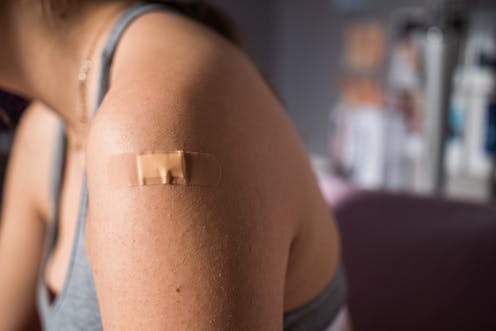
Australia’s COVID vaccine roll-out started slowly, with supply shortages and logistical shortcomings. Once it got going, we immunised more than 95% of the population.
This week’s COVID inquiry report contains a number of recommendations to improve Australia’s vaccine preparedness the next time we face a pandemic or health emergency.
While the inquiry gets most things right, as vaccine experts, we argue the government response should be broadened in three areas:
- expanding compensation programs for people who suffer any type of vaccine injury
- better understanding why people aren’t up-to-date with their vaccinations
- equipping community helpers in marginalised communities to deliver information about vaccines and combat misinformation.
Australians should be compensated after vaccine injuries – not just during pandemics
The inquiry recommends reviewing Australia’s COVID vaccine claims scheme in the next 12 to 18 months, to inform future schemes in national health emergencies.
Early in the pandemic, vaccine experts called on the Australian government to establish a COVID vaccine injury compensation scheme.
This meant people who were injured after suffering a rare but serious injury, or the families of those who died, would receive compensation when there had been no fault in the manufacturing or administration of the vaccine.
Vaccine experts recommended the creation of such a scheme based on the principle of reciprocity. The Australian public was asked to accept the recommended COVID vaccines in good faith for their health benefit and the benefit of the community. So they should be compensated if something went wrong.
In 2021, the Australian government announced the COVID-19 Vaccine Claims Scheme. Australia had no such scheme before this, in stark contrast to 25 other countries including the United States, United Kingdom and New Zealand.
Australia’s scheme closed on September 30 2024.
The inquiry report recommends reviewing:
- the complexity of the claims process
- delayed or denied payments
- any links between the scheme and vaccine hesitancy.
However, this is currently framed only within the scope of the scheme being used for future epidemic or pandemic responses.
Instead, we need a permanent, ongoing vaccine compensation scheme for all routine vaccines available on the National Immunisation Program.
As we’ve learnt from similar schemes in other countries, this would contribute to the trust and confidence needed to improve the uptake of vaccines currently on the program, and new ones added in the future. It is also right and fair to look after those injured by vaccines in rare instances.
Not getting vaccinated isn’t just about a lack of trust
The COVID inquiry recommends developing a national strategy to rebuild community trust in vaccines and improve vaccination rates, including childhood (non-COVID) vaccine rates, which are currently declining.
The COVID vaccine program has affected trust in routine vaccines. Childhood vaccine coverage has declined 1–2%. And there is a persistent issue around timeliness – kids not getting their vaccines within 30 days of the recommended time point.
The national Vaxinsights project examined the social and behavioural drivers of under-vaccination among parents of children under five years. It found access issues were the main barriers to partially vaccinated children. Cost, difficulty making an appointment and the ability to prioritise appointments due to other conflicting needs were other barriers. Trust was not a major barrier for this group.
However for unvaccinated children, vaccine safety and effectiveness concerns, and trust in information from the health-care provider, were the leading issues, rather than access barriers.
To improve childhood vaccination rates, governments need to monitor the social and behavioural drivers of vaccination over time to track changes in vaccine acceptance. They also need to address barriers to accessing immunisation services, including affordability and clinic opening hours.
It is also imperative we learn from the lessons during COVID and better engage communities and priority populations, such as First Nations communities, people with disabilities and those from different cultural groups, to build trust and improve access through community drop-in and outreach vaccine programs.
To address the decline in adult COVID vaccination we need to focus on perceptions of need, risk and value, rather than just focusing on trust. If adults don’t think they are at risk, they won’t get the vaccine. Unfortunately, when it comes to COVID, people have moved on and few people believe they need boosters.
Variant changes or enhancements to the vaccine (such as combined vaccines to protect against COVID and flu, or RSV or vaccines with long last protection) may encourage people to get vaccinated in the future. In the meantime, we agree with the inquiry that we should focus on those most at risk of severe outcomes, including residents in aged care and those with chronic health conditions.
Invest in community-led strategies to improve uptake
The COVID inquiry recommends developing a communication strategy for health emergencies to ensure all Australians, including those in priority populations, families and industries, have the information they need.
While these are not strictly focused on the promotion of vaccination, the suggestions – including the need to work closely with and fund community and representative organisations – are aligned with what our COVID research showed.
However, the government should go one step further. Communication about vaccines must be tailored, translated for different cultural groups, and easy to understand.
In some settings, messages about the vaccines will have the most impact if they come from a health-care worker. But this is not always the case. Some people prefer to hear from trusted voices from their own communities. In First Nations communities, these roles are often combined in the form of Aboriginal Health Workers.
We must support these voices in future health emergencies.
During COVID, there was insufficient support and training for community helpers – such as community leaders, faith leaders, bilingual community workers, and other trusted voices – to support their vaccine communication efforts.
The government should consider implementing a national training program to support those tasked (or volunteering) to pass on information about vaccines during health emergencies. This would provide them with the information and confidence they need to undertake this role, as well as equipping them to address misinformation.


