

‘A mini climate-control system’: the tech behind sportswear at the Australian Open
- Written by The Conversation
When a tennis player serves at 200km/h in 30°C heat, their clothing isn’t just fabric. It becomes a key part of their performance.
Modern tennis wear functions as a mini climate-control system that responds to the athlete’s physiological changes in real time.
The 2025 Australian Open has showcased several groundbreaking technologies in action. Here are a few of the best examples.
Thousands of microscopic vents
Developed by sportswear company Asics, the outfit worn by Australia’s Alex de Minaur demonstrates an example of thermal regulation technology.
The science behind this innovation involves thousands of microscopic vents that automatically adjust position based on body heat.
This is aimed at maintaining a consistent skin temperature of between 36°C and 36.8°C.
The technology works through a network of heat-sensitive polymer structures. These structures expand and contract in response to temperature changes.
Real silver
The gear worn by United States player Frances Tiafoe showcases technology developed by sportswear company Lululemon which incorporates actual silver threads to improve body cooling.
The science here is twofold.
Silver’s natural antimicrobial properties fight bacteria, while its high thermal conductivity helps distribute heat away from the body.
Laboratory testing has demonstrated these garments maintain antimicrobial effectiveness through 50 washes while reducing skin temperature by up to 3°C during extended activity.

Advanced moisture management system
The outfit worn by US player, Coco Gauff, was developed by sportswear company New Balance and employs an advanced moisture-management system.
The science involves engineered fibre and fabric structures with channels that create a slight change in air pressure. This actively pulls moisture away from the skin and distributes it across the fabric’s surface for optimal evaporation.
Research shows that during intense physical activity, individuals wearing cotton garments may experience skin temperature increases of up to 5°C above normal.
On the other hand, the advanced technical fabrics worn by tennis stars like Coco Gauff and Alex de Minaur help maintain more stable skin temperatures, with variations limited to just 1.5°C above or below normal during intense play.
Beyond temperature control, these fabrics also improve drying time by 63% compared to traditional materials.
For the average person, that means it dries quicker. For an elite athlete at the Australian Open, it rapidly dispels sweat in the hot Australian summer. This makes their clothing lighter and more comfortable to play in.

Compression technology
Some garments worn by players also use compression technology. These are garments designed to apply pressure to specific areas of the body and are used during and/or after exercise.
This technology provides a 15% improvement in the time it takes the body to recover after intense exercise. It also reduces reported muscle soreness by 23%.
The magic lies in the precise fabric blends.
Some outfits use 89% polyester with 11% elastane for maximum stretch. Others combine recycled materials with elastane for movement.
A big difference to the environment
Sportswear manufacturers are increasingly using recycled polyester instead of newly manufactured synthetic materials
This switch makes a big difference to the environment. Recycled polyester manufacturing and production generates 42% less carbon dioxide than making new polyester from scratch.
To put it in perspective, for every kilogram of recycled polyester in these tennis outfits, about 60 plastic bottles are kept out of landfills.
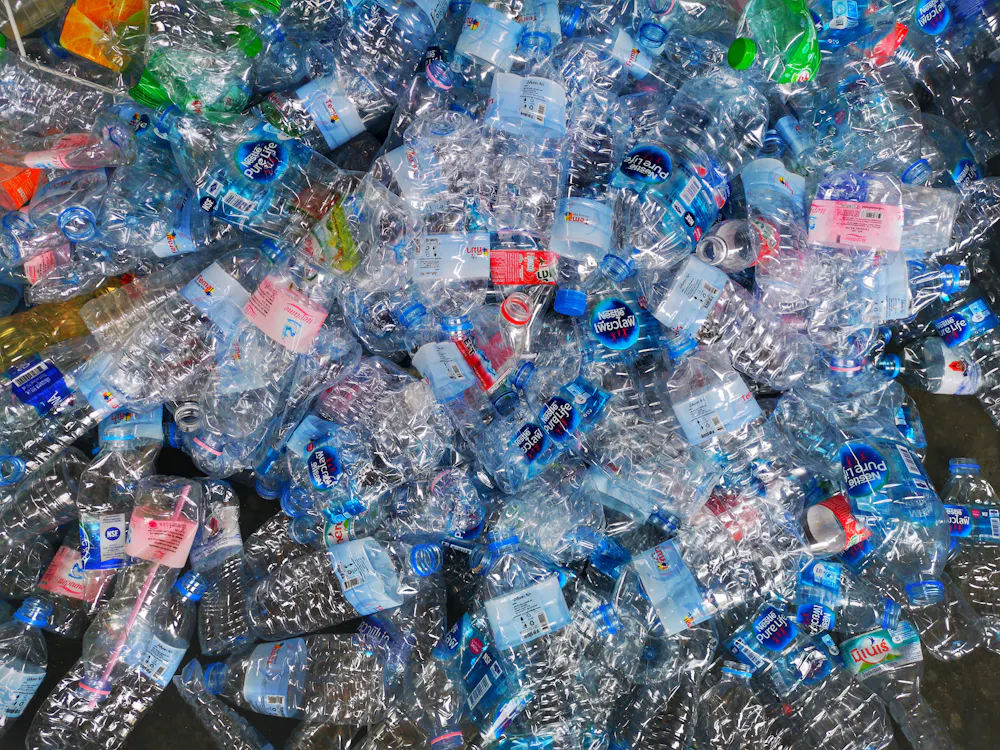 Most tennis stars now wear gear made from recycled polyester instead of newly manufactured synthetic materials, which helps reduce plastic waste.
Somphop Nithi/Shutterstock
Most tennis stars now wear gear made from recycled polyester instead of newly manufactured synthetic materials, which helps reduce plastic waste.
Somphop Nithi/Shutterstock
The future of sports performance clothing
Tennis wear is set to become even more high tech in the future.
Researchers are currently testing fabrics with embedded biosensors for real-time monitoring of breathing, pulse, blood pressure and other physiological features. They’re also testing materials capable of regulating compression based on muscle fatigue levels, and biodegradable synthetics that take just three years to decompose.
We could also see clothing that activates particular muscles through targeted compression, contains impact-absorbing structures to help prevent injury and anticipates the athlete’s body temperature changes, helping them cool down or keep warm.
Research indicates these emerging technologies could yield a 25% improvement in thermal regulation, a 40% reduction in muscle fatigue, a 50% increase in garment lifespan and a 75% reduction in environmental impact.
Proper care is crucial
For amateur players, this high-performance tennis wear is becoming increasingly accessible, although it is still typically more expensive than traditional alternatives.
For those with performance clothing in their wardrobe, proper care is crucial. Avoid fabric softeners, wash in cool water and only air dry.
With appropriate maintenance, these garments maintain their performance characteristics for up to 200 wash cycles.


