

Why have supermarkets around Australia recalled bagged salad products? A gastroenterologist explains
- Written by The Conversation
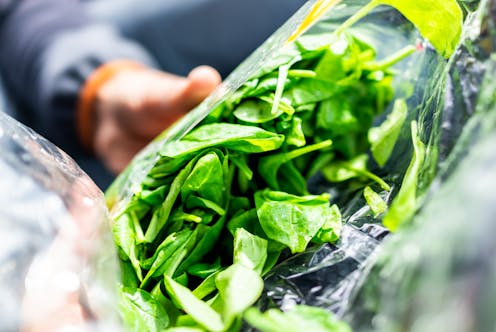
People are being asked to check the use-by dates of bagged salad products they’ve purchased recently after a number of Australian supermarkets issued recalls due to potential bacterial contamination.
Recalls issued over the past week have affected bagged and pre-packaged salad products sold at supermarkets around the country including Coles, Woolworths, Aldi and IGA.
The potential contaminant is shiga-toxin-producing E. coli or STEC. But so far, no cases of illness have been reported.
So what is this bacterium and how could it affect the salad leaves in your dinner or lunch?
E.Coli and STEC
Escherichia coli (E. coli) is a bacterium that normally lives in the intestines of healthy people and animals. Fortunately most strains of E. coli are harmless and don’t cause symptoms.
But there are certain strains that can lead to symptoms such as abdominal cramping, diarrhoea, fever and vomiting. In some cases a severe infection can even result in kidney failure.
STEC is one strain that can cause gastrointestinal symptoms. It’s called “shiga toxin-producing” because the toxin from this strain of E. coli is very similar to that produced by the Shigella bacterium.
Shigella causes shigellosis, a gastrointestinal infection which can involve similar symptoms to STEC. Both can cause abdominal cramping, bloody diarrhoea, fever and vomiting.
Most people recover within ten days of the onset of symptoms. People suffering from STEC infection should stay hydrated and seek medical care if symptoms are serious or don’t resolve.
How common is it?
One estimate suggests at least 2.8 million STEC infections occur globally every year.
In general STEC infections in Australia are very rare with less than four people per million affected annually.
The diagnosis of STEC infection is made by testing a sample of a person’s stool for the presence of the bacterium.
Children under five, adults aged over 65 and people with weakened immune systems are at an increased risk of STEC infection and of getting very sick with it.
Why are bagged salads often a culprit?
The current recalls are not the first time bagged salads have been subject to food safety issues in Australia or elsewhere. These products can be vulnerable to bacteria such as E. coli and Salmonella.
Contamination in bagged salads can occur at various stages, from farm to table. It can begin early during growing when leafy greens can be exposed to bacteria from contaminated water, soil or manure.
During harvesting, handling and processing, cross-contamination can happen if the equipment or surfaces are not properly disinfected. Finally, packaging can contribute to contamination if it comes into contact with contaminated surfaces or hands.
The current outbreak
Health authorities sometimes test for the presence of food-borne bacteria by culturing bacteria from packaged foods in the lab as part of a proactive public health surveillance program.
If they identify the presence of concerning food-borne bacteria they will work with retailers to undertake recalls of that food product as a precaution to protect public health.
To date there have been no cases of illness linked to the current recalls. The presence of STEC doesn’t necessarily mean people will get sick from eating the salad product, but this is an early detection aimed to prevent food-borne illness.
Members of the public have been urged not to consume any of the recalled products, and to throw them away or return them to where they bought them for a refund. Anyone who has consumed the products and has health concerns should seek medical advice.
Washed and ready to eat?
Many bagged salad products come with a selling point along the lines of “washed and ready to eat”. Given the current recalls, you might ask whether it really is safe to eat pre-packaged salads without giving the leaves a wash yourself.
Unfortunately, research shows using tap water to wash bagged leafy salads isn’t effective in removing bacteria. But washing your raw vegetables is still helpful in getting rid of any clinging dirt that may contain clumps of bacteria.
Fortunately the risk of getting sick from eating bagged lettuce is generally very low. It’s also important to wash your hands before handling food, check the expiry dates of bagged salads and pay attention to health alerts.


