

Australia has overshot three planetary boundaries based on how we use land
- Written by The Conversation
We used to believe the world’s resources were almost limitless. But as we spread out across the planet, we consumed more and more of these resources. For decades, scientists have warned we are approaching the limits of what the environment can tolerate.
In 2009, the influential Stockholm Resilience Centre first published its planetary boundaries framework. The idea is simple: outline the global environmental limits within which humanity could develop and thrive. This concept has become popular as a way to grasp our impact on nature.
For the first time, we have taken these boundaries – which can be hard to visualise on a global scale – and applied them to Australia. We found Australia has already overshot three of these: biodiversity, land-system change and nitrogen and phosphorus flows. We’re also approaching the boundaries for freshwater use and climate change.
The nation’s land use is a key contributor to these trends, with natural systems under increasing pressure as a result of many land management practices. Luckily, we already know many of the solutions for living within our limits, such as waste management, conservation and restoration of natural lands in conjunction with agriculture, and shifts in food production.
What are planetary boundaries?
In 2015, scientists took stock of how humanity was tracking, warning four of nine boundaries had already been crossed.
While such warnings make global headlines, they can also leave people wondering, “What does this actually mean for me?”
This TED talk on planetary boundaries has helped popularise this approach.Read more: Can your actions really save the planet? 'Planetary accounting' has the answer
This is the question we have sought to answer for Australia and its land use sector. We took five of these global boundaries and calculated what Australia’s “share” of those would be in our new technical report.
We then went one step further, breaking down what these boundaries mean for Australia’s land use industries, such as agriculture and forestry.
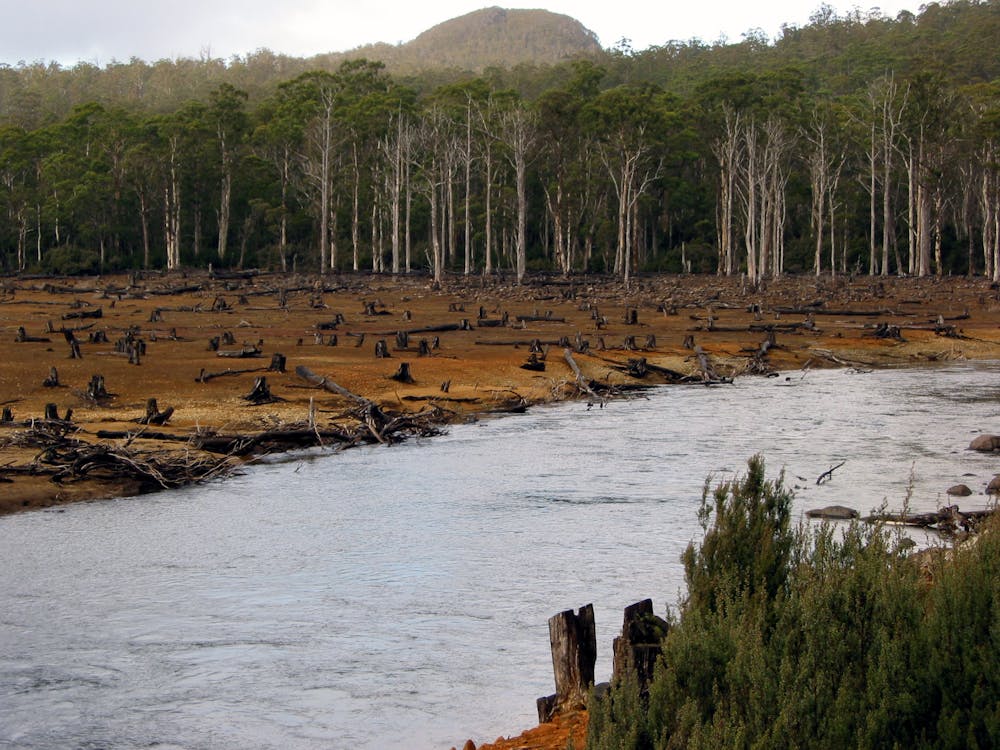
These limits are not abstractions – they’re real
These are real-world limits. Pushing past them has real-world consequences.
Take nitrogen and phosphorus flows, which refers to the levels of these chemicals in the nation’s waterways.
In around 50% of our river catchments, we already have concentrations of nitrogen and phosphorus past the safe level for the health of the environment. These chemicals are applied as fertiliser to cropland and pasture. If there’s too much, it can run off into waterways. Once in our rivers, these chemicals can fuel dangerous algal blooms which can force the closure of popular recreational areas, fill lakes with weeds and hurt fish and other wildlife.
Tackling one environmental issue often has benefits for others. Improving water quality has benefits for biodiversity, because the plants and animals supported by those rivers have better water to live off and in.
Why does biodiversity matter? The diversity of life on our continent plays a critical role in keeping ecosystems stable and sustaining vital services – such as fresh air and water – they provide to wildlife and to us.
It’s well known areas with lower numbers of species and lower genetic diversity prove generally less resilient to shocks. That means these environments are at higher risk of tipping into a state where they can no longer provide the services vital to life.
Different species occupy different niches within ecosystems, meaning the loss of one or two can erode the functioning of the system as a whole.
Protecting and restoring biodiversity is therefore critical to achieving planetary health. Unfortunately, biodiversity is among the boundaries Australia has already overshot. The number of species threatened by our activities is growing, and many of our endangered animals are at risk of extinction.
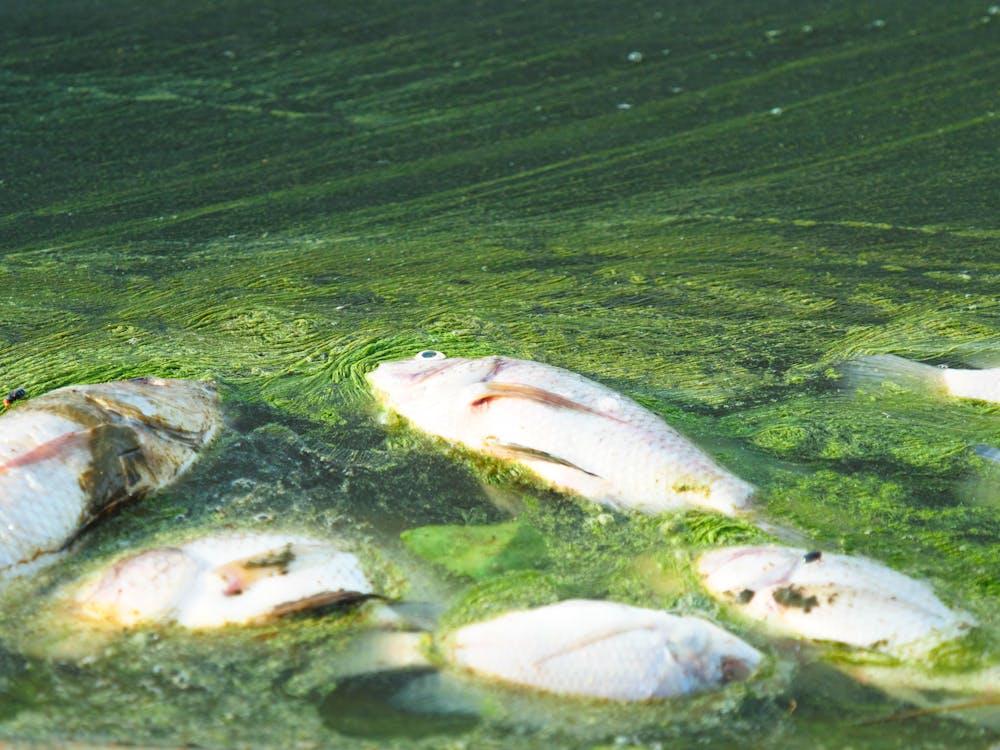 Fertiliser overuse can trigger algal blooms and kill fish and other water species.
Shutterstock
We know what we need to do
With this report, we contribute to the national conversation about how Australia can stay within its fair share of planetary limits and contribute to the global effort for sustainable development.
Read more: Biodiversity loss has finally got political – and this means new thinking on the left and the right
Agriculture, forestry and other land use industries also have a critical role to play in reducing emissions and sequestering carbon. But the land use sector is under increasing pressure from growing populations, the impacts of climate change and extreme weather events.
Understanding what sustainability means in practical, measurable terms for Australia’s land use sector is vital to enable humanity to continue to prosper.


