

E-bikes for everyone: 3 NZ trials show people will make the switch – with the right support
- Written by The Conversation
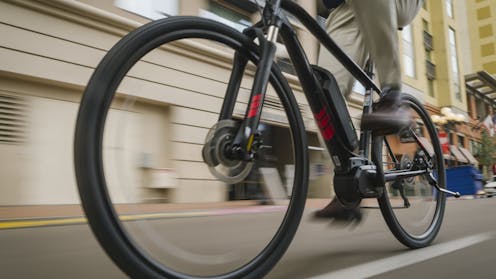
Anyone who uses city roads will know e-bikes have become increasingly popular in Aotearoa New Zealand. But we also know rising e-bike sales have been predominantly driven by financially well-off households.
The question now is, can e-biking be accepted and embraced by people and communities where it is currently not happening? Three pilot programmes from around the country have now given us cause for optimism.
Understanding more about the barriers to e-bike access – especially in communities with low cycling levels or where income levels mean bikes are prohibitively expensive – has been one of the main gaps in our knowledge.
But over the past few years, we have been involved in projects designed to examine how e-bikes might work in such places. The three pilots were based in Mangere (South Auckland), Wainuiomata (Lower Hutt) and Sydenham (Christchurch).
These are all areas or communities with lower relative incomes and lower levels of cycling. The majority of individuals involved did not routinely cycle, and some hadn’t been on a bike for decades.
In all three pilots, the results were positive. In some cases, participants reported long-term, life-changing benefits.
What the pilot schemes showed
Each pilot was different. The Mangere programme loaned e-bikes to people for two to three months between 2022 and 2023 through a community bikehub. The Wainuiomata programme involved a longer loan period of one year over 2023, and was run through a health provider at a local marae.
The Christchurch programme, which ran between 2021 and 2024, was a free e-bike share scheme for tenants in a specific social housing complex, organised through a partnership with a shared e-bike provider.
Where needed, participants in all pilots were supported as they gained riding confidence and knowledge of safe cycling routes.
Participants in all the pilot programmes found e-biking acceptable, and they used and enjoyed the bikes. While these pilots were not set up to measure distance travelled, we know from other research that participants in e-bike access schemes ride on average 5km per day, half of which replaces car trips.
Individuals reported practical benefits such as being able to travel to their jobs, mental and physical health improvements, and not having to pay for petrol each week.
In the Wainuiomata pilot there were wider ripple effects, with participants reporting whānau members also started cycling as a result of the loan scheme. In one case, ten members of the wider whānau got involved.
3 policy actions needed now
These results mirror what we know already about how e-bikes can improve physical and mental health, reduce transport greenhouse gas emissions, and make cities nicer places by reducing car use.
Compared to conventional bikes, e-bikes also allow people to bike further and in hillier places. They are also great for groups with traditionally lower levels of cycling, such as people with health conditions, disabilities, older people and women.
It also seems concerns about increased rates of injury may be less significant than initially thought. Overall, the broad benefits of e-bikes have seen hundreds of access schemes developed globally, including many in New Zealand.
Combining international evidence and experience with the information from the three local pilot programmes, we see three main policy areas that will increase e-bike uptake and use in New Zealand.
1. Physical infrastructure: this is needed to support cycling in all our cities and larger towns, and would involve a combination of cycle lanes and low-traffic neighbourhoods, alongside expanded bike parking and storage.
The Climate Change Commission has recommended these networks be constructed, and experience from Wellington shows rapid construction is possible.
2. Targeted access schemes: these help people who can’t afford e-bikes. Without targeting, such schemes tend to be mainly used by the well-off. It’s likely we will need a range of options, such as short-term and long-term low-cost (or free) loans, rent-to-buy schemes or subsidies.
People should be able to access these schemes through a variety of organisations so as to target different motivations: saving money, improving health, commuting for work, ferrying children, environmental concern.
3. Local organisation networks: these support individuals and communities to access bikes, maintain them, provide rider training, run bike libraries, route finding and community events to support and encourage people to ride.
This wider support was a key factor to the success of the all pilots. Local organisations, champions and leaders are essential to help overcome some of the practical and cultural barriers that exist because we have such low levels of cycling.
Change is achievable
What we have outlined constitutes a different way of doing business for the transport sector. But there are already organisations doing a lot of this work, including bike hubs and cycling community organisations.
Others have infrastructure in place that could expand to encompass e-bike programmes, such as marae and community health centres. What is needed is a commitment to support these activities as part of core transport business policy.
We don’t need to wait for more research. The three things required – building infrastructure, increasing access and providing support programmes – are all understood and achievable.
E-bikes can and should play an important role in expanding New Zealand’s transport options and improving the wellbeing of its people.


