

Cyclones drive people to buy health insurance, more so than some government campaigns
- Written by The Conversation
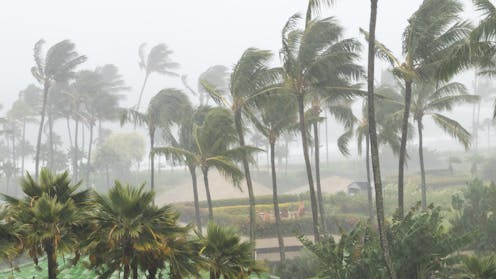
People who’ve lived through natural disasters, such as floods or cyclones, often re-assess their priorities. But for Australians who’ve lived through a severe cyclone, this can affect them in a way that’s received little attention.
Our research shows they’re more likely to take out private health insurance.
What’s so striking is a severe cyclone has a bigger impact on uptake of private health insurance than some government initiatives designed to boost cover.
What we did
Many people try to protect themselves from the financial impact of natural disasters by taking out some type of insurance. But most research so far has focused on how disasters prompt people to buy home or property insurance. So we looked at the impact of cyclones on private health insurance.
We used more than 20 years of data from the nationally representative Household, Income and Labour Dynamics in Australia (HILDA) survey. The annual survey, which began in 2001, has followed the lives of more than 17,000 people.
We then matched the survey data with historical records of more than 100 cyclones crossing Australia during the same period.
We compared the same person’s health insurance status before and after a cyclone.
As we had good information about other aspects of people’s lives from the HILDA survey, we could be confident it was the cyclone (and not some other factor) that influenced their decision to take up private health insurance.
What did we find?
Only the most severe cyclones – category 5 cyclones with wind speeds over 200 kilometres per hour – had a clear effect on people’s decisions to buy private health insurance.
For example, Cyclone Debbie (a category 4 cyclone in 2017) did not lead to any noticeable change. But the effects were different after Cyclone Yasi – a powerful category 5 cyclone that hit northern Queensland in 2011. People in areas affected by this more severe cyclone were significantly more likely than people living in unaffected areas to take out health insurance, both immediately and in the following year.

The increase in private health insurance uptake was especially strong for younger people, higher earners, and people living in coastal or cyclone-prone areas.
The closer someone lived to the cyclone’s eye, the stronger the effect. People 100-200km away were about 3 percentage points more likely to get health insurance than those unaffected. But for those within 40km, the increase jumped to more than 5 percentage points.
How significant is this?
To put this in context, the largest observed effect of a major cyclone on private health insurance uptake can be stronger than national policies aimed at encouraging people to sign up.
One example is the Medicare Levy Surcharge, which people on higher incomes can avoid if they have private health insurance. This surcharge raised uptake of private health insurance by 2.4 percentage points among single high-income earners.
Another is the Lifetime Health Cover loading. If people buy private health insurance earlier in life and keep it, they can avoid this extra loading. This policy increased coverage by about 1-4 percentage points.
Why are people buying health insurance?
People hit by cyclones are likely to report damage to their homes. And in other work, we showed home damage can lower people’s sense of control over life outcomes. Home damage after a natural disaster can also make people more concerned about their health and safety.
This stress may lead people to take protective steps, such as getting private health insurance.
We also found cyclones harm people’s psychological wellbeing, regardless of whether their home is damaged, making them feel less safe and healthy. This can also influence insurance decisions.
Taken together, our findings suggest it is the emotional and practical disruptions – especially home damage and psychological stress – that prompt people to reassess their vulnerability and seek protection.
People may also take out private health insurance to feel protected against future health costs in the next big cyclone, much like buying home insurance.
What can we learn from this?
Our findings have policy implications. After a severe cyclone, people may turn to private health insurance to cope with the stress and uncertainty. Understanding this can help shape better disaster response policies.
We also found people with a higher income were more likely to take up private health insurance after a cyclone. So targeted policies – such as private health insurance subsidies or improved access to health care after disasters – could help ensure vulnerable populations are not left behind.


