

Saving species starts at home: how you can help Australia’s 1,000 threatened invertebrates
- Written by The Conversation
When we think about animals, we tend to think of furry four-legged mammals. But 95% of all animal species are invertebrates – bees, butterflies, beetles, snails, worms, octopuses, starfish, corals, spiders and many many more. These creatures make us happy, pollinate flowers, keep soils healthy, clean water, build reefs, maintain oceans and bring colour and wonder to our homes, cities, farms and wild places.
Sadly, almost 1,000 Australian invertebrates are threatened with extinction and need protecting. These species are on one or more official lists, including the International Union for the Conservation of Nature’s Red List of Species IUCN Red List, Australia’s national list of threatened fauna, and state and territory lists. Many more unnamed and unassessed species are likely in trouble.
When a mammal or bird goes extinct in Australia, it’s big news. But invertebrates have gone extinct much more frequently – and with much less attention. Since colonisation, an estimated 9,000 invertebrates have gone extinct – and one or two more go extinct every week.
Invertebrates face five big challenges: climate change, habitat destruction, natural resource extraction, pollution and invasive species. For the most part, efforts to conserve them are in their infancy in Australia, likely due to the historic undervaluing of smaller animals and little critters. There are shining exceptions such as the incredible conservation success of the Lord Howe Island stick insect, but such examples are vanishingly rare.
The good news? Because invertebrates live everywhere, the opportunity to help is often literally on our doorsteps. Simple actions can help, such as planting native species, leaving logs in the garden and avoiding insecticides.
Meet some of the threatened one thousand
Threatened invertebrates live in every Australian state and territory and in our major cities. Of the almost 1,000 threatened species, 27% are snails and slugs, 25% are insects, 19% are corals, 17% are crayfish and 5% are spiders. Here are some you may come across.
Bogong moth (Agrotis infusa). These moths once filled the night skies in their billions. Now they’re listed as endangered because the cool alpine caves they rely on to escape summer heat are warming with climate change. These migratory moths fly across southern Australia, navigating to their mountain refuges each summer using the stars and earth’s magnetic field. Help map their migration to protect them.
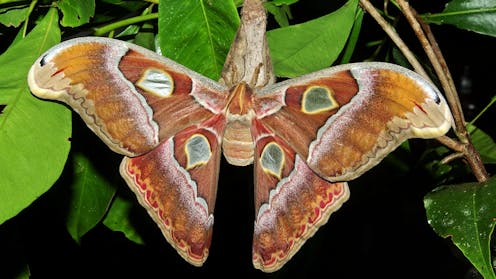
Atlas moth (Attacus wardi). This giant tropical moth with a 22 cm wingspan is now considered vulnerable due to habitat destruction and introduced weeds. If you live near Darwin, planting the native Atlas Croton tree will help feed its very hungry caterpillars.
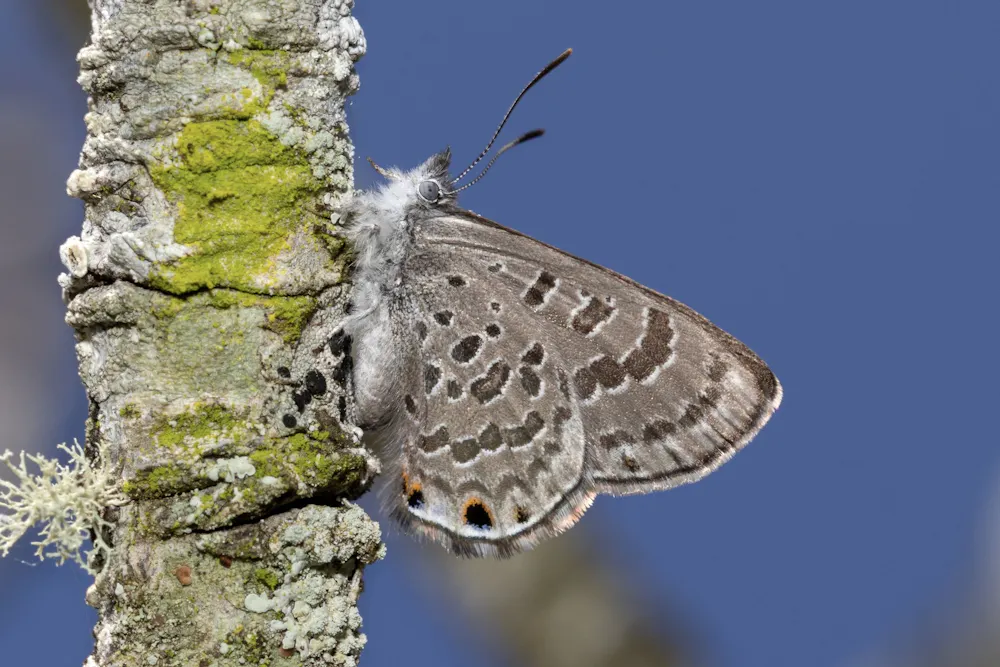
Mangrove ant-blue butterfly (Acrodipsas illidgei). These endangered butterflies lay eggs on grey mangrove trees home to acrobat ants (Crematogaster species), which carry the eggs into its nests. When the caterpillars hatch, they eat ant larvae while in turn nourishing the ant colony with sugary secretions. Mangrove destruction, pesticide runoff and threats to their ant partners pose real threats. Protecting mangroves in southeast Queensland and reporting sightings of butterflies and ants on iNaturalist will help.
Sydney Hawk dragonfly (Austrocordulia leonardi). This strikingly coloured endangered dragonfly is largely found in Sydney. Changes to local waterways and the deep pools its aquatic larvae need threaten the species. Restoring local waterways will help.
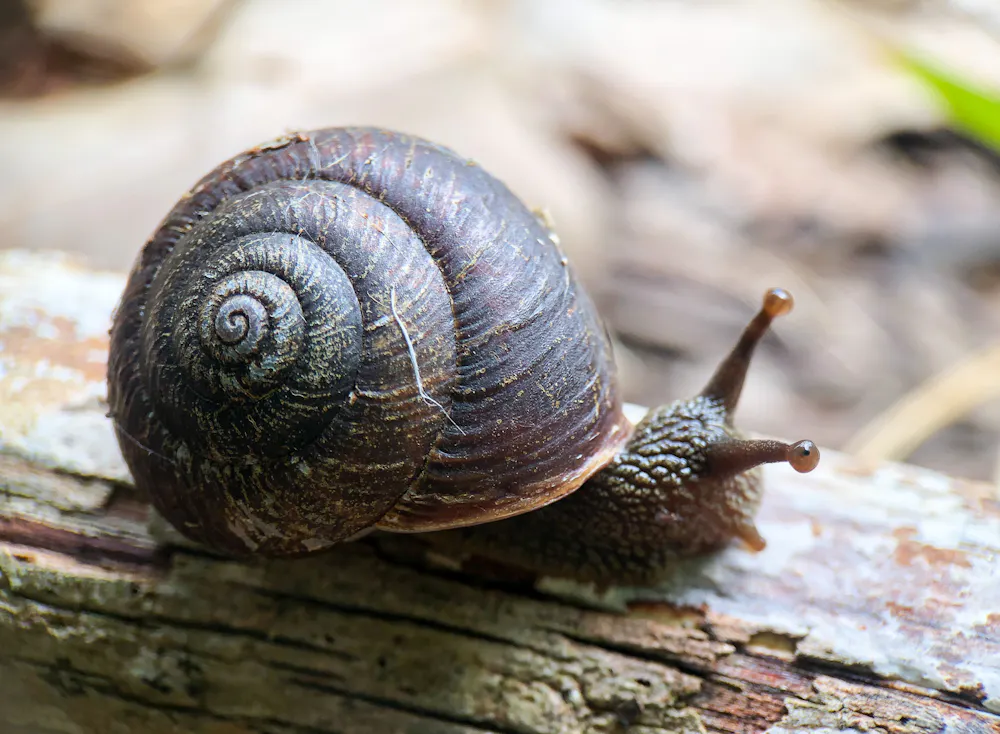
Dural land snails (Pommerhelix duralensis). These endangered snails are found only in north-western Sydney and the lower Blue Mountains. They cruise through leaves and rocks munching on fungi and helping add compost to forest soils. You might catch a glimpse during light rain. Help them by leaving large patches of undisturbed native undergrowth – habitat loss poses the biggest threat.
Hairy bee (Leioproctus douglasiellus). This critically endangered burrowing bee lives only in and around Perth. Its numbers have fallen due to habitat loss and pesticides. Leaving patches of open soil in your garden and planting shallow flowers can help these short-tongued bees get nectar.
 The hairy bee makes tunnels in soil and lives only in Perth.
Kit Prendergast, Author provided (no reuse)
Giant Gippsland earthworm (Megascolides australis). This iconic earthworm can grow up to 1.5 metres long. It only lives in a patch of southern Gippsland in Victoria and is endangered in part due to farming practices such as ploughing. These gentle giants famously gurgle as they move through their tunnels keeping soil healthy. Local landholders can help by leaving patches of land along stream banks as worm conservation habitat.
Tasmanian live-bearing sea stars (Parvulastra vivipara). Most sea stars lay eggs. Not this species, which gives birth to live young. They’re endangered because they live in intertidal waters of south-eastern Tasmania affected by shoreline development and invasive species. Look carefully and you might see one as it grazes on algae-covered rocks. Join local events to tackle invasive species and log any sightings on iNaturalist.
 The Tasmanian live-bearing sea star gives birth to live young.
John Eichler/iNaturalist, CC BY-NC-ND
A brighter future for bugs
Invertebrates bring us delight and wonder. Here’s how we can help those in trouble.
Plant flowers. Providing food for pollinators and other wonderful flower-visiting insects can help year-round.
Keep part of your garden a bit wild. If you leave logs, leaves and open soil in your garden, you make space for shiny beetles, singing crickets, native bees and other ground-dwellers.
The creek is beautiful. Help restore waterways, make a pond, learn about local water bugs and support local wetlands.
Be clever with pest control. Avoid snail baits and cancel regular broad-spectrum sprays, as these can harm many non-target species. Use critter-friendly alternatives to protect the whole food chain.
Let the stars shine. Switch off lights at night if safe or close your curtains to help nocturnal creatures such as moths and orb-weaving spiders.
Log your sightings. Conservation scientists need as much data as possible on invertebrates to understand how they are doing out there. Upload your bug photos to iNaturalist.


