

Wood fires, warm drinks, hot water bottles: 5 expert tips on how to avoid burns this winter
- Written by The Conversation
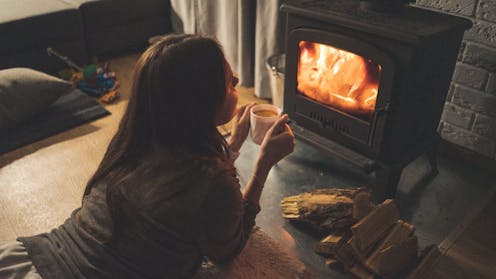
It’s a cold, crisp evening and the air carries a chill that bites. As temperatures drop and houses get colder, we turn to trusted sources of warmth such as wood fires, heaters, hot water bottles and warm drinks.
But these winter comforts come with the risk of burns.
Staying warm in winter is important, but so is staying safe. So, a little caution can go a long way to prevent serious injury.
Let’s start with children
Young children are naturally curious, and in winter, their explorations often take them dangerously close to sources of heat. One common scenario involves toddlers reaching out to touch a glowing wood-fired heater.
These are attractive to curious children because they are bright, warm and often within reach. Tragically, these burns can cause significant injuries to small hands and fingers, often requiring long recovery times and specialist care.
Scalds from hot drinks are also very common in young children. These accidents tend to happen during everyday moments, such as when a parent is trying to juggle a hot drink with a sick, unsettled child on their lap.
Seasonal colds and viruses mean children often need more comfort and physical contact, increasing the likelihood of accidents. A hot drink, even one that has cooled slightly, can cause deep burns to a child’s skin if spilled.
In many parts of Australia at this time of year, bonfires, fire pits and campfires become common. Extinguishing a fire with sand may seem safe, but embers underneath can retain enough heat to burn skin hours later.
Children running in light shoes can be unaware of where a fire has been and step directly onto it, resulting in severe burns to their feet.
Beware of hot water bottles, wheat bags
Hot water bottles are one of the most common causes of scalding and burns in both adults and children.
Hot water bottles can cause scald burns from spills when being filled, can leak or burst if cuddled or rolled on, or cause contact burns if placed directly on the skin. Always check the bottle for wear, use hot tap water instead of boiling water, and keep a layer between the bottle and the skin.
Wheat bags can also cause burns over winter, particularly when overheated or applied directly to skin without a cover. Rarely, wheat bags have caught fire, especially when overheated or re-heated repeatedly without allowing them to fully cool between use.
Older people can also be at risk
Elderly people face a unique set of risks in winter. For some, underlying health issues, such as diabetes or poor circulation, can reduce sensitivity to heat, making them unaware they have been burnt.
A classic example is burns to the lower legs caused by sitting too close to a bar heater for extended periods. These burns may go unnoticed until they become painful or infected.
In some cases, financial strain plays a role. Many older adults live on fixed incomes and may hesitate to heat their entire home to save on energy bills. Instead, they may rely on small portable heaters in closed rooms or heated blankets and hot water bottles. These workarounds are cost-effective, but can increase the risk of burns.
How can I stay safe?
Burns are preventable injuries. Here’s how to reduce the risk:
use a barrier around heaters to protect exploring hands
keep hot drinks out of reach when holding a child, and consider using mugs with lids for added safety
supervise young children closely around campfires, bonfires and fire pits, and extinguish with water not sand
ensure hot water bottles are in good condition. Never fill a hot water bottle with boiling water, use the hot tap, and do not use if there are signs of wear or damage. Don’t overheat wheat bags
regularly check your heater is safe and is working as it should. Sit at least a metre away.
When should I seek medical care?
If a burn happens, run the burn under cool running water for at least 20 minutes, while keeping the person warm. Don’t apply ice, creams or ointments, as they can cause more damage by trapping in the heat. Remove tight clothing or jewellery. Cover the burn with a loose, clean cloth or non-stick dressing.
Seek medical attention if the burn:
is deep, even if the person isn’t in pain
is larger than a 20c piece or has blisters
involves the airway, face, hands or genitals
looks leathery, or there are patches of brown, black or white
if the person has trouble breathing.


