

Triple whammy: how 3 types of drought crippled southern Australia this year
- Written by The Conversation
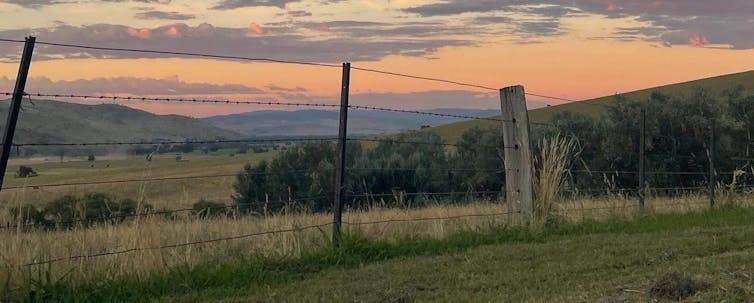
Soaking mid-winter rains have brought some relief to drought-stricken farms and rural towns across southern Australia, but the crisis is not over yet.
And there’s more to this challenging episode than you might think. As climate scientists, we see more than a single drought. Rather, it’s a trilogy of droughts.
Across southern Australia over the past six months, three interconnected phases have unfolded in rapid succession: flash drought, green drought and fodder drought.
Each phase brings its own challenges. Together, they reveal the complex and cascading nature of climate stress in southern Australia.

Flash drought: the sudden onset
To state the obvious, drought in Australia happens when there’s a severe lack of rain.
Unlike traditional droughts that develop over months, flash droughts intensify within weeks. They can come out of nowhere and hit hard.
In early 2025, flash droughts struck Australia in waves:
January in parts of South Australia
February along the SA-Victoria border and western Tasmania
March in the Otway Ranges in southern Victoria
April in northern Tasmania and southern Mallee in Victoria
May in central Victoria and southern New South Wales.
The May event was the most intense — short-lived but severe — catching many people by surprise.
Flash droughts are marked by a rapid increase in the “thirstiness” of the atmosphere, as measured by the “Evaporative Stress Index”. When the index drops quickly, farmers often have little time to respond — whether through destocking, securing feed or adjusting plans for sowing crops.
Within four to eight weeks of flash drought onset, the health of pasture in open grasslands declines.
Pasture recovery is slow, often taking more than 12 weeks depending on the amount of sunlight, temperature and soil moisture. The impact on growth can linger for months. This delayed response sets the stage for the next phase: green drought.

Green drought: a deceptive recovery
Many southern regions received winter rain, but not enough to break the drought.
Fields turned green, but these plants lacked the nutritional value needed to support livestock. This phenomenon – known as “green drought” – gives the appearance of drought recovery, but the deeper soils remain stubbornly dry and plants stressed.
Satellite data tracking the greenness of vegetation shows that even after soil moisture briefly improved in June, plant health continued to decline. This is due to ongoing dry soils and high evaporation rates (think thirsty atmosphere), which limit plant growth.
Green droughts are particularly challenging because they mask the true extent of agricultural stress. People see green fields but farmers continue to face shortages of feed for livestock, leading to the next phase: fodder drought.
 Satellite data shows much of the vegetation is stressed. (Vegetation is considered stressed when the vegetation health index is less than 30%. Dots indicate regions where the modelled pasture growth is less than 50% of the long-term average.)
NOAA, AussieGRASS
Satellite data shows much of the vegetation is stressed. (Vegetation is considered stressed when the vegetation health index is less than 30%. Dots indicate regions where the modelled pasture growth is less than 50% of the long-term average.)
NOAA, AussieGRASS
Fodder drought: the hidden crisis
Fodder drought is the third phase of the drought trilogy — a less visible but deeply distressing condition. It’s about whether there’s sufficient feed to keep livestock alive.
Pasture growth across southern Australia has remained well below average since late January, even though this period typically coincides with the off-peak season. With the late autumn break and soils remaining dry, the winter growing season is faring poorly.
Fodder droughts often go unnoticed by city people, but they have serious implications for rural communities. Farmers become increasingly reliant on imported feed, driving up costs and straining supply chains.
What lies ahead?
As we approach the end of winter, the outlook for rainfall in the drought-stricken communities of SA and Victoria’s Mallee is looking more promising.
The Bureau of Meteorology’s long-range forecast for spring shows a high chance of unusually wetter conditions for much of the southeast. In turn, soil moisture is likely to improve in these regions.
Climate and water long-range forecast, issued 31 July 2025 (Bureau of Meteorology)The changing climate
This trilogy of droughts — flash, green and fodder — highlights the complexity of climate extremes. These events are occurring against the backdrop of declining cool season rainfall, which is projected to continue.
It’s not just about rainfall totals; it’s about timing, temperature, soil health and vegetation response. Understanding how these drought types evolve and interact is crucial for building resilience in agriculture.
There’s still much to learn. What triggers the transition from one phase of drought to the next? How long do the impacts last? And what strategies can help farmers adapt?
The current drought emerged as a prolonged dry spell coincided with unusually high temperatures. This placed immense pressure on farms.
A call to action
The trilogy of droughts in 2025 is a wake-up call. As climate variability increases, so does the need for better forecasting, adaptive farming strategies, and policy support. Agricultural drought definitions may need to be updated to reflect the new realities of drought.
Farmers are on the frontline of climate change, so the experiences of those in southern Australia this year offer valuable insights into how communities can prepare for future extremes. By investing in research, improving early warning systems, and supporting rural communities, we can build a more resilient agricultural sector — one that’s ready for whatever the climate throws at us next.
Read more: Why is southern Australia in drought – and when will it end?
This article includes scientific contributions from Hanh Nguyen and Jessica Bhardwaj from the Australian Bureau of Meteorology.


