

Women and kids often pay a heavy price when men drink. Our gender violence plan should reflect this
- Written by The Conversation
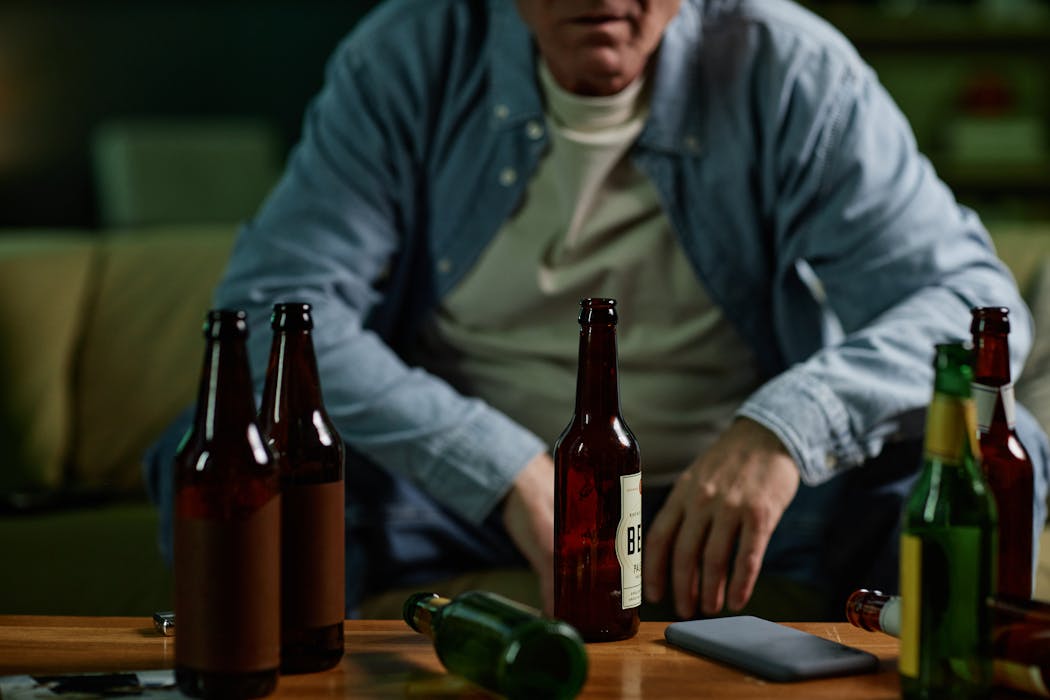
Globally, up to one in three women who live with a male partner report he is a heavy drinker. Evidence shows men’s drinking increases the severity and frequency of violence towards women and harms to children.
Yet in Australia and worldwide, most policies to address gender violence still fail to consider the significant role alcohol plays.
Our new research, published last week, reviewed and analysed the evidence in three major international reviews about men’s drinking.
We wanted to understand the range of impacts that men’s heavy drinking has on women and children worldwide. We also examined whether alcohol policies and interventions specifically address these harms.
Our study shows the impact on women and children is profound – but the harms are often understudied and overlooked. Here’s what we found.
Women carry the burden
We already knew that men’s heavy drinking exacerbates physical violence, leads to more intimate partner violence experienced by women, and to more severe injuries.
However, our new research reveals a much wider range of harms that occur to women when men drink heavily. Heavy drinking can include binge drinking and alcohol dependence.
The psychological impact on women can be profound. We found men’s heavy drinking can contribute to controlling behaviour and irrational sexual jealousy towards partners, sexual aggression and coercion, and emotional abuse that includes humiliating or insulting the partner.
Women also reported alcohol-related harms that are not widely studied or understood. These included women experiencing social isolation and economic abuse, where household resources are diverted to the man’s drinking.
Financial problems for the family can have serious flow-on effects. For example, buying alcohol may not leave enough money for essentials such as food and clothing. Money issues can trigger conflicts which then escalate into violence towards women.
Men’s alcohol use can also lead to missed work or unemployment. This can reduce the family income and put more pressure on women to work extra hours, often alongside existing caregiving duties. They may then be at risk of other harmful situations or exploitation, such as being forced into sex work – reported by some women in lower income countries.
Children become more unsafe
The impact of men’s heavy drinking on children has been even less well studied than its effect on women.
Yet our research shows when men drink heavily, their children are more likely to experience neglect, poor mental health, disrupted schooling and family instability – all of which negatively affects their development.
Men who drink heavily often prioritise alcohol over their children’s needs and this can create dysfunctional family environments. Their children are also more likely to become the targets of violence and witness violence against others.
As a consequence of these sometimes unstable and unsafe family environments, children may often feel less emotionally close to fathers who drink heavily. Evidence shows fathers who drink heavily are less involved in parenting.
A gap in policy
Alcohol research and policy, and general policies, seldom target the diverse impacts of men’s drinking on women and children.
Our study highlights an uncomfortable reality: to prevent violence against women and children, we also need to focus on men’s drinking – and the wider social and economic inequalities that contribute to harms to women and children.
We need interventions that explicitly target the social norms around masculinity, including those that encourage and normalise heavy drinking and reward aggression.
But we also need to address other societal factors that can amplify problematic aspects of men’s heavy drinking – including men’s histories of trauma, mental health and social disadvantage – without diminishing their individual accountability.
Addressing the link between alcohol and gender violence
In Australia, the current National Plan to End Gender Based Violence pays minimal attention to alcohol.
However, in 2024, the federal government led a rapid review into preventing gender violence. It drew specific attention to the role of alcohol and called on states and territories to change their liquor regulations. For instance, by restricting alcohol sales, delivery timeframes and advertising.
Our research supports these recommendations. And suggests we need more nuanced alcohol strategies that are tailored to specifically address harms from men’s drinking and consider when, why and how men drink.
Strategies to reduce harmful alcohol use should be integrated with broader gender-based violence prevention. For instance, by combining interventions for men who are in treatment for alcohol problems and use violence, and reducing alcohol consumption at home, for example, by limiting home delivery.
Men’s heavy drinking can be seriously harmful for women and children. This means we can’t address the epidemic of men’s violence in our community without tackling alcohol use head on.
For information and advice about family and intimate partner violence contact 1800 RESPECT (1800 737 732). If you or someone you know is in immediate danger, contact 000. Men’s Referral Service (call 1300 766 491) offers advice and counselling to men looking to change their behaviour.
For free and confidential advice about alcohol and other drugs call the National Alcohol and Other Drug Hotline on 1800 250 015.


