

Physio at 3 months old – or even earlier – can really help babies with cerebral palsy
- Written by The Conversation
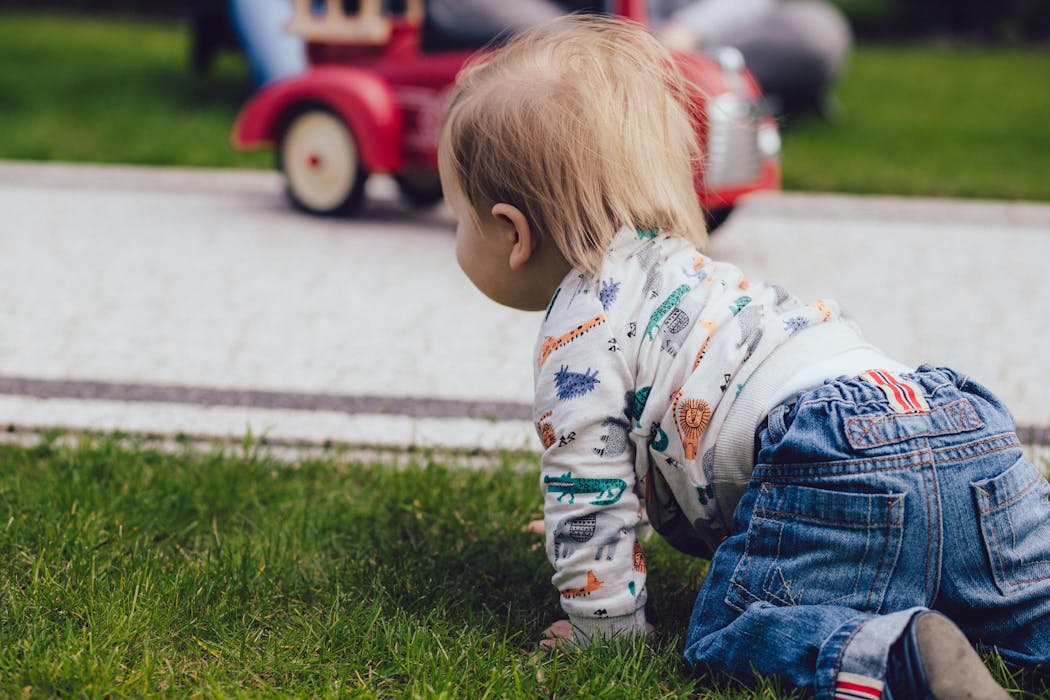
Physiotherapy isn’t just for adults recovering from injuries. Physiotherapists can help babies and children, too – including babies with, or at high risk of, cerebral palsy.
Research has shown physiotherapy improves their physical and cognitive outcomes.
Cerebral palsy is complex
Cerebral palsy is a lifelong neurodevelopmental condition. It can affect the way you move and function.
It is caused by injury or a difference in development of the fetal or infant brain.
Each person with cerebral palsy experiences it in their own unique way.
This includes:
- the parts of their body affected
- how their body moves (for example, whether they have stiffness, involuntary movements or trouble with coordination)
- and how their motor impairments, or other issues, affect the way they move around, communicate and play.
The causes of cerebral palsy can be complex. It’s often due to a range of factors, including genetic and birth-related issues.
Early detection can mean early intervention
Until recently, many medical professionals adopted a “wait-and-see” approach.
However, we now have evidence-based tools to help identify babies most at risk of cerebral palsy – even those as young as three months.
After five months, if a baby shows movement difficulties (for example, using one side of their body more than the other or not being able to sit independently after nine months), an MRI and other tests can help your doctor understand more.
Early detection of cerebral palsy provides an opportunity for early intervention.
Some researchers talk about the seven “e-words” of physiotherapy intervention for babies with celebral palsy: earlier, engagement, exploration, enriched environments, experiences, everyday and exercise.

Earlier intervention
Where intervention previously often started only around 19 months, now intervention can begin much earlier.
Some babies start physiotherapy as young as three months old once identified as being “high risk” for a diagnosis of cerebral palsy. Premature babies may begin physiotherapy while still in hospital.
Unfortunately, however, not all families have easy access to early intervention treatments. Much depends on where you live.
NDIS support is technically available but it can often take families months to be accepted for funding.
Engagement is key
Engagement refers to when babies deliberately participate in an activity or interact with others. This might be as simple as encouraging infants to look at and focus on a toy the baby finds interesting, or to move their body towards their caregiver’s face.
Research shows when infants are engaged in play, it helps make connections about how to move their body.
Physiotherapists can help parents learn how to engage with and play with their babies, even when babies are very young.
Exploration builds moving, playing and thinking skills
Exploration is how babies learn about and interact with the world.
Physiotherapists can help infants to explore movement, whether this is supporting them to reach for a toy or crawl down a hallway.
Babies and children with cerebral palsy can find it harder than their peers to explore their environments. Research has shown supporting infants and young children to explore their environment, including with mini power wheelchairs, can improve their long-term mobility, social skills and independence.
Enriched environments help challenge babies
Infants love to interact with spaces that are not too difficult to navigate, but also not too easy.
Physiotherapists and families can come up with ideas together about how to modify the environment in the home to help a baby with cerebral palsy successfully play and explore.
This could, for instance, include adjusting the height of toys on a baby play gym to challenge babies to successfully reach and grasp toys above them.
Experiences help babies learn to play, move and communicate
Every infant learns in their own way from doing, seeing, and feeling. These experiences shape the neural pathways in our brains throughout our life, but particularly in the first few years. Our brains’ ability to adapt to experiences is called neuroplasticity.
Physiotherapists can help families harness this neuroplasticity by identifying meaningful experiences that help their baby learn to move, play and explore.
Babies with cerebral palsy benefit from a combination of repeating motivating experiences (such as repeatedly rolling for a toy of interest) and practising new skills in a variety of environments (such as rolling on different surfaces or towards a variety of toys).
Everyday intervention
Physiotherapists work with families to find ways to support their infant’s development in everyday life. This will look different for every family.
Some prefer more structured ideas for activities; they might want to know how many times and how long they could help their baby sit using specific handling techniques.
Others prefer ideas on how to integrate therapy ideas into their everyday life by, for instance, picking their baby up via their side to help develop their head control.
Exercise - for all ages
Exercise helps with everything from heart and gastrointestinal health to bone health.
Infants with movement difficulties are at risk of more sedentary time. This increases the risk of cardiovascular disease and obesity. The Australian government recommends at least three hours of physical activity per day (including no more than one hour at a time of inactivity or restraint) for children aged between zero and five.
However, it can be really difficult for young children with cerebral palsy to meet these recommendations.
Physiotherapy can help. This might include:
- helping a baby play in physically challenging positions (such as tummy time) for longer periods each time
- supervised rough and tumble play with siblings
- encouraging babies to explore different and more challenging environments.
If you have concerns about your baby’s movement, talk to your GP or child health nurse.


