

How NZ streaming costs and choices could change after the epic Netflix-Paramount battle for Warner Bros
- Written by The Conversation
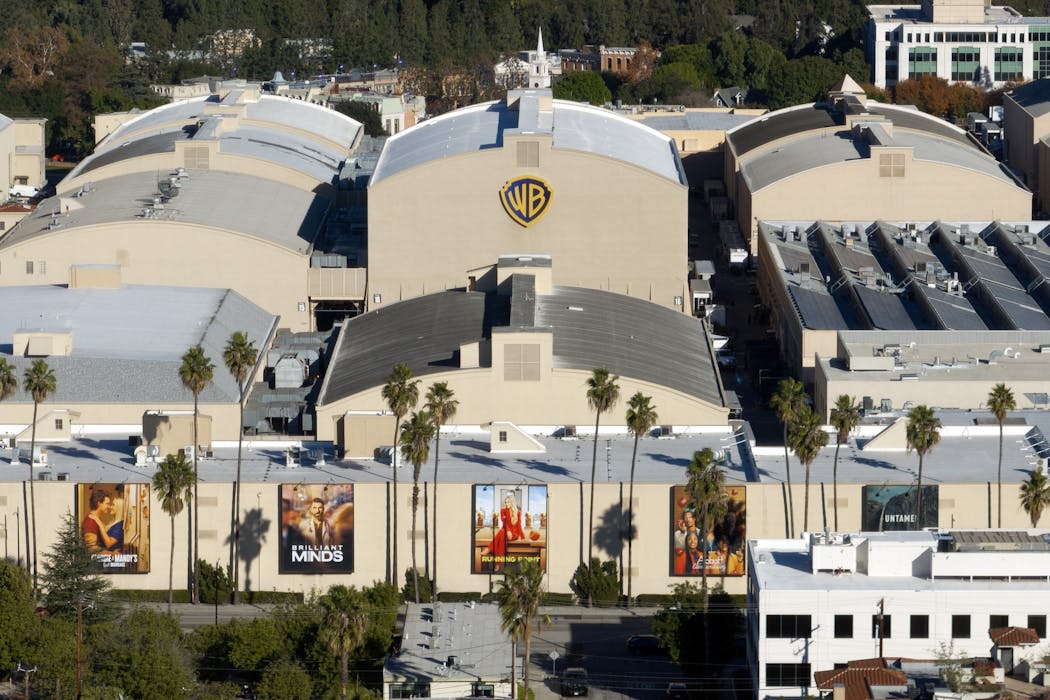
The battle between Netflix and Paramount for Warner Bros Discovery may significantly affect New Zealand’s screen sector, audience choice, local production opportunities and industry growth.
On December 6, Netflix announced it had signed a definitive agreement valued at US$83 billion (NZ$143 billion) or US$27.75 per share to acquire Warner Bros, including its film and television studios, and streaming platforms HBO Max and HBO.
Three days later, Paramount – which has had been busy since September with six separate proposals to buy Warner Bros Discovery – launched a counteroffer directly to shareholders of US$30 per share in cash.
Paramount argues the Netflix deal is anti-competitive and could face prolonged regulatory challenges. It claims Netflix could gain control of 43% of global streaming subscribers (400 million worldwide). Disney+, its closest competitor, has 200 million streaming subscribers.
But Paramount would also face antitrust scrutiny if it secured the bid, which would give the company significant market share across streaming and other global network assets.
For New Zealand audiences, a Netflix acquisition of Warner Bros would see a bundling of content into a bigger library, and also increased costs specific to the local market.
The merger would bring HBO shows, Warner movies, DC Studios and Warner Gaming Studios straight into Netflix’s lineup, but with higher subscription fees and tiered pricing models.
New Zealand currently has only one streamer with a tiered pricing option, Neon (owned by digital pay-TV provider Sky), which offers a monthly plan with advertisements for NZ$14.99 and a monthly plan without advertisements for $23.99.
Neon is also home to HBO and HBO Max content in New Zealand. While having Netflix as a single streaming service might appeal to consumers, tiered pricing could become significantly higher than current fees and continue to rise over time.
Economic and cultural impacts
Streaming service have already pushed local television to the sidelines: 56% of New Zealanders watch streaming video on demand, with Netflix leading the pack, while linear TV sits at 47%.
A Netflix-Warner merger could accelerate this trend, leaving local broadcasters struggling to hold on to audiences in an already fragile market, where shifting advertising models have reduced revenue.
Economic fallout might also shrink opportunities for New Zealand’s screen industry if a merger reduces the number of foreign productions and their spending, affecting creatives and crews as well as local businesses.
Research released this month shows the screen sector contributes NZ$1.1 billion to GDP from a total $3.0 billion in output. In 2025, Warner Bros invested over NZ$4 million in post-production and special effects, backing projects such as The Lord of the Rings: The War of the Rohirrim and RuPaul’s Drag Race Down Under.
The research also highlighted the cultural impact of such productions, where a kind of screen-driven “soft power” adds to the country’s international appeal, with flow-on effects in tourism.
On the home front, Sky’s Neon platform could also lose some or all of its HBO content. This would hit New Zealand’s only domestic subscription streaming service hard.
Meanwhile, Warner Bros’ New Zealand production arm – which produces shows such as The Bachelor, Married At First Sight NZ, The Block NZ, Celebrity Treasure Island and The Great Kiwi Bake Off – may be sold under the merger if Netflix carves off Discovery. What might happen to output, distribution and access to global formats remains unclear.
Local options shrink
Hollywood is worried, too. The sale of Warner Bros could weaken the traditional cinema market, reduce film production and concentrate creative power under one streaming giant.
The Netflix business model favours streaming-first releases, with only limited theatre runs. This might mean fewer cinema premieres in New Zealand and fewer big-screen experiences for local audiences.
If Netflix controls 43% of the global streaming market, content will be designed for broad appeal rather than for diverse voices and stories. A homogenised style – what media scholar Mareike Jenner has described as Netflix’s “transnational middlebrow” approach – will take precedent over region-specific or politically charged storytelling.
Right now, New Zealand producers can pitch to a range of international networks. But if that pool shrinks, there are fewer commissioners, fewer buyers and fewer distribution options.
On the other hand, the New Zealand screen industry was built with a “number 8 wire” mentality and has proved resilient, adaptable and innovative. Those qualities will be needed as the global entertainment industry continues to change and consolidate.


