

A new Omicron wave is upon New Zealand, with older people now most at risk – here’s what to expect
- Written by The Conversation
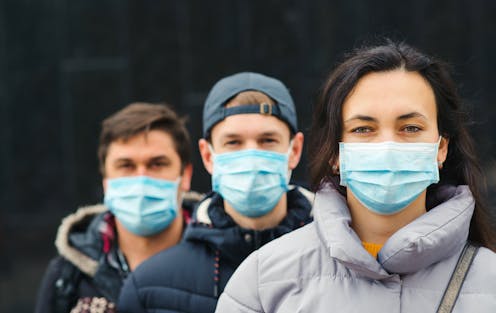
New Zealand has been in a COVID lull for the past two months, but with the BA.5 variant on the rise and more than 10,000 new daily cases reported this week, it appears we are now at the start of a second Omicron wave.
How large it will be is difficult to predict, but a number of factors coincide to make this the most serious moment in the pandemic this year since the first wave in March.
BA.5 is the latest instalment in the Omicron series. It was first detected in South Africa in February 2022 and is closely related to BA.2, the variant currently still dominant in New Zealand.
It carries distinct mutations in the spike protein, two of which are associated with higher transmissibility and immune evasion. The rise in BA.5 seems to stem from its ability to infect people who were immune to earlier variants, but so far there is no indication the variant causes more severe disease.
BA.5 was first detected in the New Zealand community in April and cases have been appearing consistently since May. It has quickly risen to 32% of sequenced community cases and looks set to become the dominant variant in the next week. It already is dominant in other countries.
Our recent modelling showed a second wave of COVID this year was likely as a consequence of waning immunity, but the spread of BA.5 has hastened its arrival.
What to expect
A big concern at the moment is that case numbers in older age groups are higher now than ever before. The March wave was heavily concentrated in younger people, with under 60s making up 91% of all cases up to the end of April.
That helped keep a lid on the hospitalisation rate and has built strong hybrid immunity, acquired from both infection and vaccination, in these groups. But it leaves a large susceptible population in older groups.
Part of BA.5’s advantage is a better ability to re-infect people who’ve had COVID before. Nevertheless, prior infection with a different variant does provide immunity, however imperfect, and those who haven’t been previously infected are at higher risk of catching the virus in the second wave. In New Zealand, this predominantly means older people.
Waning immunity means many people who are five to six months after their third vaccine dose will have significantly lower immunity now than they did in March.
And winter is flu season. The healthcare system is already swamped with patients with influenza and other winter ailments. Winter weather means people tend to gather indoors, in more crowded and poorly ventilated spaces that create ideal conditions for viruses to spread.
This wave is starting with much busier hospitals than in February, and any additional demand caused by COVID will add more stress to a system already under extreme pressure.
The risk of hospitalisation is around six times higher in people over 70 compared to younger groups. Even if the number of cases in this wave is lower than in the first wave, our modelling shows the shift in age distribution means it’s possible the number of hospitalisations will actually be higher.
What to do
The vaccine is still our best line of defence against COVID. It provides a high level of protection against getting seriously ill, even if it is less effective at preventing infection with BA.5.
That protection does wane over time, which is why a fourth dose is now available to over 50s. If you or your whānau are eligible for a vaccination, whether it’s the first dose or the fourth, now is a really good time to get it.
Strong uptake of fourth doses in older age groups, as well as third doses among the one million New Zealanders currently eligible, is the best way we have to mitigate this wave.
The influenza vaccine is also important as it can prevent more people getting sick this winter and ease the burden on the healthcare system. Free flu vaccines are available from GPs and pharmacies for everyone over 65, for Māori and Pacific people over 55, and for children aged between three and 12.
Read more: As flu cases surge, vaccination may offer some bonus protection from COVID as well
Other easy measures – using high-quality masks indoors, testing and staying home if sick – remain important. Rapid antigen tests (RATs) are an extremely useful tool for managing risk. They are a reliable indicator of whether someone is currently infectious.
Doing a RAT before visiting a vulnerable person or before large gatherings is an excellent way to reduce risk. They are available for free to anyone with symptoms or whose household members have tested positive.
Even if you test negative on a RAT but have respiratory symptoms, you could have flu or another virus. Staying home when sick is the best way to protect others and reduce the rates of sickness this winter.
The pandemic is clearly not over yet. The virus will continue to evolve to get around our immunity and this will lead to ongoing waves. But we are not helpless in the face of it. Updated vaccines, better treatments, action to lower transmission through improved ventilation, and the build-up of hybrid immunity will continue to blunt its effects.


