

In the most cleared state in Australia, Victoria’s native wildlife needs our help after fires
- Written by The Conversation
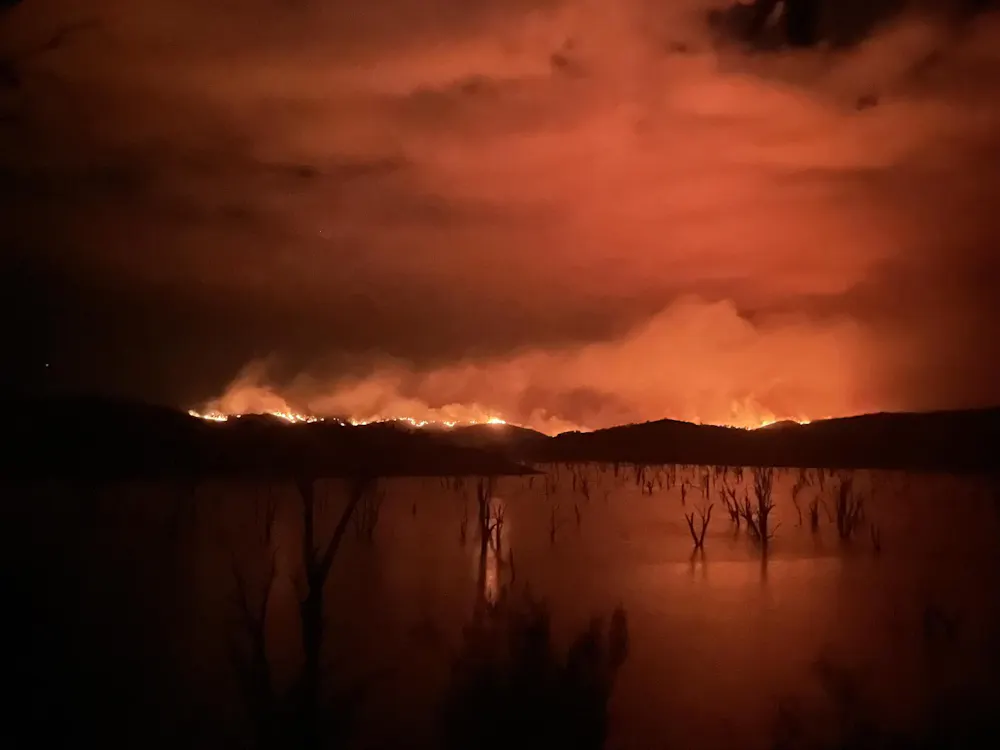
Victoria has just suffered some of its worst bushfires since the Black Summer fires of 2019–20. Over 400,000 hectares are estimated to have burnt so far, an area more than five times larger than Singapore.
Regional communities have been deeply affected. They need support to recover and rebuild their homes, towns and lives. And what about the state’s unique plants, animals and ecosystems?
Both large and small fires erupted in Victoria, and were extraordinarily widespread across diverse environments. They burned in the Wimmera–Mallee region in the northwest, the Otways in the southwest, central Victoria, northeastern Victoria and eastern Victoria, including the alpine region. This means a correspondingly diverse range of native plants and animals has been affected.
Compounding this, Victoria is the most cleared state in Australia. This makes it more difficult for animals to find suitable habitat outside of burnt areas in a fragmented landscape as they recover.
How will these fires affect nature?
Fires have short and long-term affects on wildlife. While a high proportion of animals can survive fires, the total numbers of insects, birds, frogs, reptiles, mammals and others that have died during the fires or afterwards, will still be large. This is due to severe burns, smoke, radiant heat or other injuries as they try to escape. Many animals get caught on fences as they move across landscapes seeking refuge.
We might think animals that can fly, such as many insects, birds and bats, should be able to easily escape. But smoke and extreme heat makes it difficult to breathe and regulate their body temperature, and can disorient wildlife. Temperatures soared well above 40°C during the fires. Along with intense winds, this took a heavy toll on some animals. Tragically, thousands of flying foxes died.
Many animals will have survived fires by finding refuge in protected waterways, caves, rock and boulder piles, or by going underground, including into wombat burrows. Echidnas dig into the ground and go to sleep, a clever tactic to conserve energy and reduce stress on the body.
After fires, animals face additional challenges. Feral cats and foxes are known to rapidly take advantage of burnt areas. Hunting and capturing their prey in more open habitat is easier. Potoroos, bandicoots, lizards and many others that survive initially may be hunted in the hours, days and weeks after a fire.

The long-term effects
The impact of fire can last for decades, or even longer. Many Australian wildlife species depend on logs and hollows in trees for shelter and to raise young. Fire can both create and destroy hollows.
Importantly, Victoria is the most cleared state in Australia. Hence, hollows are already short in supply and patchily distributed. For some tree species, they can take more than 100 years to form. Their loss puts pressure on threatened species including greater gliders, barking owls and spotted-tailed quolls.
Aquatic life is not immune to the effects of fire either. Rains that occur in burnt landscapes can wash ash, debris and toxins into waterways. This smothers underwater habitats and reduces oxygen and water quality for native fish, crayfish and amphibians. In some cases it leads to mass mortality, including fish kills.
How to respond?
Once bushfires are contained and it is safe to enter, government agencies, scientists and wildlife carers will get a clearer picture of fire severity and native wildlife that need help. They will undertake population surveys and develop a management plan. This may include culling invasive herbivores such as deer, laying poison baits to control feral cats and foxes and installing artificial refuges for native animals.
Agencies should take a whole-of-ecosystem view to ensure well intended actions don’t have unexpected consequences. While 1080 poison may be needed in some areas to help control non-native predators, it also poses a risk to dingoes, a threatened species in Victoria.
This includes the Wilkerr (dingo) population in the Big Desert-Wyperfeld region in northwest Victoria, estimated to number fewer than 100 adults. Approximately 60,000 hectares of Wilkerr habitat has burned. The fires may push Wilkerr into agricultural land seeking cover and water, increasing contact and conflict with livestock graziers. This situation needs to be thoughtfully managed to protect graziers, livestock and Wilkerr.
What should I do?
We can help in a range of ways. These include:
- putting out water dishes for animals with sticks or stones in them so small animals don’t drown
- donating to charities and organisations that take care of injured wildlife
- creating wildlife-friendly gardens that displaced animals may use.
Members of the public should not attempt to feed wildlife, and leave this to experts. Likewise, approaching injured animals is not advised, including kangaroos and snakes. Stressed animals can behave erratically and aggressively, and should only be taken care of by experienced wildlife experts.
Feeding wildlife after fire should be done by experts, such as occurred for rock wallabies following the Gariwerd–Grampians fires.Governments must change course
As a wildlife ecologist and conservation expert, these fires bring an unwelcome but familiar mixture of deep sadness and intense frustration. As the climate gets hotter, such events will only become more likely and more severe.
Governments must substantially increase efforts to curb climate change, including a rapid transition away from fossil fuels. Likewise, we need far stronger environmental laws, and greater government investment to protect and recover the wildlife and places Australians love.
Fire has shaped Australia’s environments, and many species are adapted to survive and even benefit from fire. But the increasing regularity of severe fires will push some wildlife and ecosystems into oblivion. As with people and communities, we have a duty to provide Australia’s native plants, animals and other life with a safe and secure future.


