

Why is my migraine worse in summer?
- Written by The Conversation
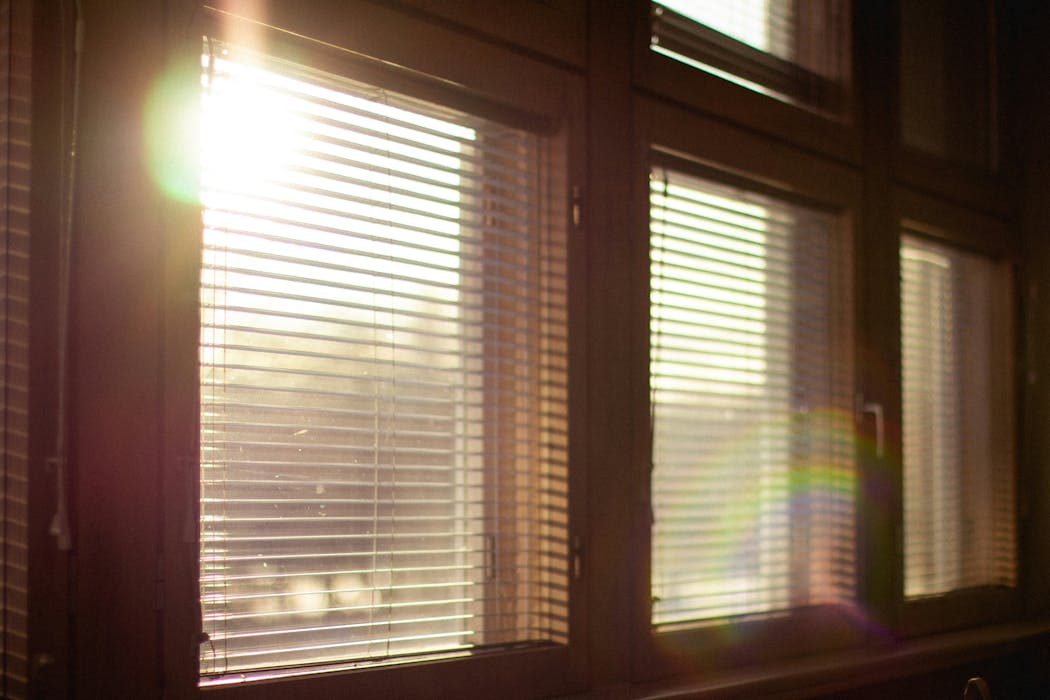
For people with migraine, summer can be a double-edged sword. You may be able to relax more, sleep in, enjoy the sunshine, and spend time with family and friends.
But other factors – such as glare, heat, and changes to sleeping and diet – can make migraine attacks more likely or more severe.
Migraine is a disabling neurological disorder affecting 5 million Australians. In addition to a throbbing headache, it can cause hypersensitivity to light, sound, smells or movement.
Triggers for attacks vary from person to person and seasonal changes don’t affect everyone. But if you find your migraine attacks are worse or more likely in summer, knowing why can help you prepare.
The effect of hot weather
Normally when it is hot, you sweat more to regulate your core temperature. Your body becomes cooler when sweat evaporates off your body.
In summer when the air is hotter and there is more humidity, your brain’s hypothalamus causes blood vessels close to the skin to dilate so that heat can escape.
But people with migraine often have hypersensitive nerves and blood vessels. When blood vessels dilate in the heat, it can irritate nearby nerves and cause inflammation, which the migraine brain interprets as pain. This is due to the brain’s stress response, not an infection.
Dehydration
Sweating helps regulate your core body temperature, cooling you down as the sweat evaporates off your skin. But when the air is hot and humid, it’s harder for the sweat to evaporate and cool us down.
This can lead to dehydration – another potent trigger.
Why is dehydration so bad?
Imagine your brain like a sponge that is floating in spinal fluid within your skull. If you are dehydrated, the brain shrinks like a dry sponge and pulls on the attachments to the skull, which can trigger pain.
If you are well hydrated, the brain can expand to fill the space within the skull so there is less “pulling” and therefore less pain.
Sensitivity to light
For many people with migraine, glare is more than a minor annoyance – bright lights and reflection can cause pain and trigger attacks.
When light enters the back of the eye, special cells (retinal ganglion cells) process this signal and send messages to the brain’s sensory centre (the thalamus).
In migraine, these sensory pain pathways involving the thalamus are hypersensitive. Any extra light – or flickering or moving lights – is perceived as pain, rather than merely brightness, and can also lead to dizziness.
Glare also reduces the contrast of incoming light signals, so the brain’s visual centre (the visual cortex) needs to work extra hard to process signals. Certain wavelengths can also be harder to process (including blue and fluorescent light, or sunlight reflecting off screens). This can cause pain.
Disrupted routines
The migraine brain does not like change. But longer days in summer can mean changes to our routines.
Changes that might trigger a migraine include sleeping at inconsistent times on holidays, skipping or delaying meals, or changes in stress levels. This means new stress, increased stress – or even relaxing after a stressful period.
Changes in sensory information that the brain processes can also worsen migraine. This may include new smells (such as sunscreen or insect repellent), louder noises (excited children on holidays), and brighter light or glare.
Even exercising more than usual may be a trigger for some people.
Thunderstorms
Pollen, humidity and thunderstorms trigger allergy flares in people with asthma, hayfever and eczema. This makes the immune system release chemicals called histamine, which can trigger migraine attacks in some people.
Asthma and allergy action plans are doubly important for wellbeing in this group.
Sudden changes in air pressure (in aeroplanes and during storms) can also be a strong trigger for some people. Your friend who says they can predict the weather by their migraine symptoms may be right.
Know your triggers
Regardless of the season, being prepared is the key.
Keep a diary of your headache days and impacts of weather (temperature, humidity, glare) or activities (for example, how much you’re socialising or exercising). Headache neurologists can use this data to give you a targeted migraine plan.
In summer, you can also:
plan outings for cooler days of the week or times of day
limit sun and pack a hat and sunglasses. Lenses that are polarised or FL41-tinted may help beat glare
carry water bottles and electrolyte-rich fluids to avoid dehydration
set phone alarms so that you go to bed and wake up at consistent times
try to maintain regular balanced meals, without excess sugar, alcohol and processed foods.
Taking care of your medication
It’s also important to plan and correctly store your migraine medication, especially if you’re going on a trip. You should:
take acute migraine medications with you and make sure they’re up-to-date
check your scripts are current and you have repeats left
protect medications from heat. Don’t store them in the glovebox or bag in the sun for long periods. Injectable medications should be stored in the fridge below 4°C until use.
When travelling, you may need to adjust timing of doses or use a cooler bag to keep medication cool.
If you think you’re sensitive to seasonal changes, it’s best to talk to your neurologist about a migraine management plan. This can help you identify and manage key triggers and prevent and treat acute attacks.
Read more https://theconversation.com/why-is-my-migraine-worse-in-summer-268088


