

Dating apps are facilitating LGBTQ+ hate crimes. How can users stay safe?
- Written by The Conversation
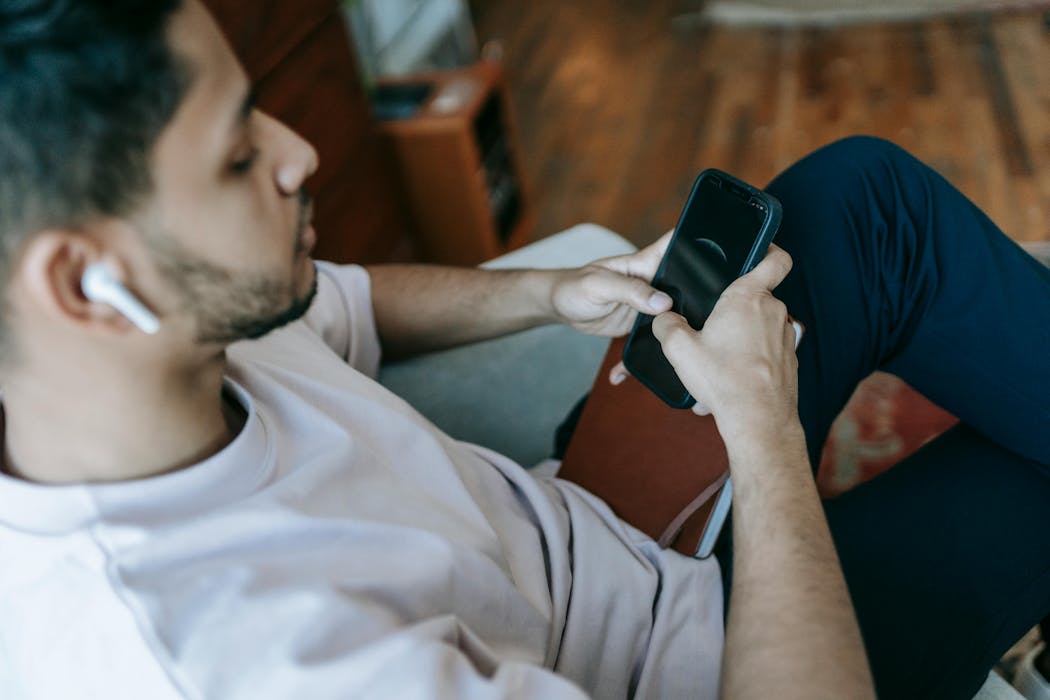
Gay and bisexual people in Australia are being targeted in violent attacks facilitated through dating and social media apps.
A recent investigation by the ABC revealed several hate crimes involving Islamic State sympathisers bashing gay and bisexual boys in Sydney, including some they had met on Wizz, which markets itself as an app for connecting young people, including minors.
This is just one of many examples. As of October 2024, Victoria Police had arrested 35 people in relation to similar incidents in which offenders had used fake profiles on Grindr and other dating apps to connect with gay men, before assaulting them.
Victoria has just established a parliamentary inquiry to investigate this spate of attacks.
So what do dating apps do to vet users? Could they be doing more? And how can users protect themselves?
What do dating apps do to protect users?
As anyone who has used a dating app will know, it’s very easy to set up an account. Generally all you need to do is to enter your email, password and date of birth. Then you’re free to make your profile and start looking for a match.
This can make it easy for offenders to set up fake profiles to target unsuspecting victims.
A number of dating apps (including Grindr) are signatories to the Australian Online Dating Code of Practice. The code commits apps to adopting a range of measures to mitigate the risks of “online-enabled harm” for users, such as prominently displaying reporting mechanisms and implementing processes to block or remove harmful content.
Wizz is not a signatory, but requires users to verify their identity by uploading a selfie, which is then assessed by AI age assurance software. Age assurance technology has well-documented shortcomings which allow some users to circumvent it. As of December 2025, Wizz has been included in Australia’s social media platform restrictions for people under 16.
In response to previous attacks, Grindr started providing pop-up safety messages for users, warning them of the risk of violence and providing tips to stay safe.
Could dating apps do more?
There have been suggestions apps should make users provide 100 points of ID to verify their profile.
But this brings with it new risks, especially for minority communities. Researchers have found that marginalised groups – including Indigenous women and LGBTQIA+ people are more likely to be targeted by technology-facilitated abuse.
As recent breaches of online chat platform Discord’s identity data have shown, these groups have good reason to distrust increased data collection and surveillance on dating platforms.
Additionally, while platforms having databases that contain the “real names” of users may make it easier for victims to report crimes after the fact, they cannot guarantee would-be violent offenders will not misrepresent themselves on the apps.
While many apps in Australia (including those that are signatories to the code of practice) already cooperate with law enforcement agencies and share relevant data if a crime is committed, there is less transparency about whether they have consulted with marginalised users – including survivors of online abuse – about what they need.
However, Bumble Inc.’s Bumble, Badoo, and Fruitz apps do partner with survivor-led digital organisation Chayn to provide access to free online trauma-support.
How can LGBTIQ+ users protect themselves on these apps?
As this shows, most current initiatives focus on responding to online-enabled harm, not prevention. Online platforms also don’t possess tools to moderate people’s conduct once they meet offline.
LGBTQIA+ health organisations have created tipsheets to help users stay safe when using dating apps.
For example, it’s advised to have a short video call with a person you intend to meet in real life in order to help you confirm their identity. This is especially important as perpetrators of hate crimes can create profiles that seem legitimate.
There are also guidelines for checking in with friends such as sharing your location with a trusted friend when you go to meet a new person, and reporting abuse to the police or Crimestoppers.
It is important to emphasise that members of minority communities are not responsible for hate crimes, and individual risk mitigation can never be foolproof.
Recent Australian history demonstrates that where discrimination and exclusion of LGBTQIA+ people is normalised in public life, offenders are empowered to rationalise and normalise violence.
If this article has raised issues for you, or if you’re concerned about someone you know, call Lifeline on 13 11 14.
For information and advice about family and intimate partner violence contact 1800 RESPECT (1800 737 732). If you or someone you know is in immediate danger, contact 000.


