

‘Disaster inertia’: why must NZ keep relearning the same lessons from extreme events?
- Written by The Conversation
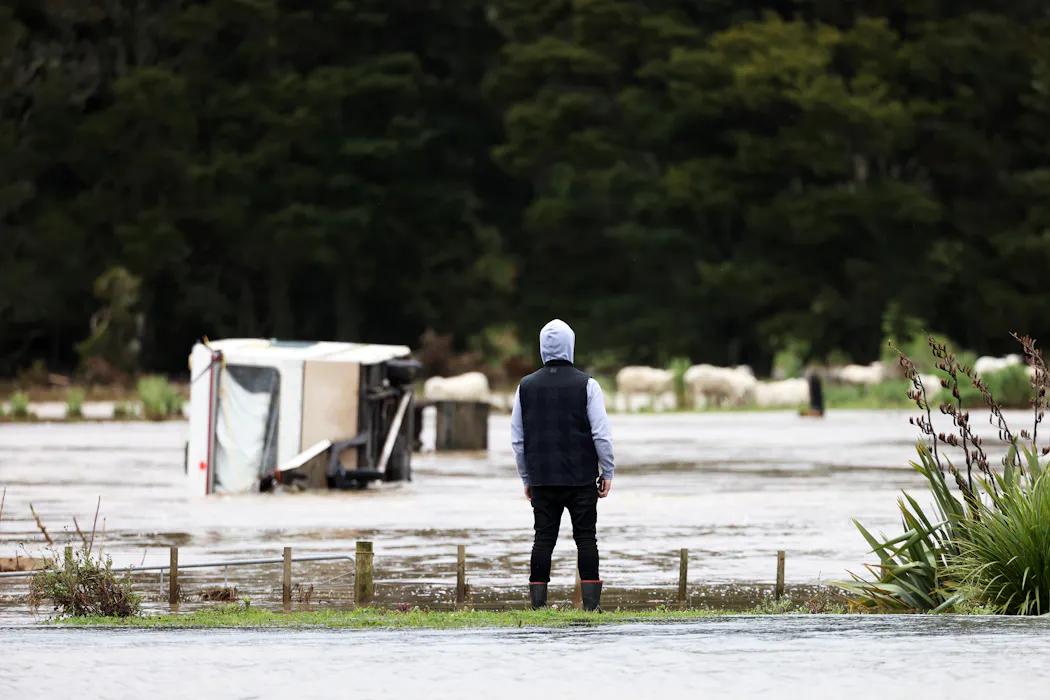
In the aftermath of another summer of weather disasters, there were headlines about a “growing gap” between recovery efforts and preparation for climate change impacts.
There were calls for a rethink of how New Zealand approaches natural hazards and for decision-makers to learn from the lives and homes lost in landslides and floods.
If this sounds all too familiar, it is because the country has become locked in a state of “disaster inertia” – one that has existed for longer than we might think.
Our analysis of New Zealand’s post-disaster reviews over the past decade shows the same problems – some dating back to 1986 – have been repeatedly identified but rarely translated into meaningful policy reform.
Successive warnings from the scientific community about the country’s exposure to extreme weather similarly go unheeded.
With each disaster, we found the country’s response and recovery system reacts in a largely ad hoc way. The capacity and finances of local authorities, which are often already grappling with major infrastructure deficits, are strained as they lurch from one event to the next.
Put simply, New Zealand keeps patching up damage while failing to address its systemic issues – leaving lives, livelihoods and property increasingly at risk as climate impacts intensify.
How disaster inertia shows up in practice
Our review highlighted several concerning trends.
Climate change adaptation efforts are often channelled into engineered protection such as seawalls and levees. But this focus can crowd out land-use planning tools that reduce risk more fundamentally – by keeping development away from exposed areas or enabling planned, staged relocation of homes and infrastructure over time.
The current approach can also create a “levee effect”, encouraging more development behind the protections. This increases flood risk when those protections inevitably fail, and it delays urgently needed avoidance measures.
It may be true that “building back better” – rebuilding damaged homes and infrastructure to higher resilience standards after a disaster – can sometimes improve resilience.
But it often comes at higher cost and with increased residual risk – the danger that remains even after any affordable protections are built – if communities remain in place.
There is also a strong social and political premium placed on rapidly “getting back to normal”, even where that normal is a state of vulnerability, and the “new normal” means increasing frequency and intensity of change.
Another recurring problem comes with the high opportunity costs that follow disasters.
When government funding is inconsistent and piecemeal, local authorities often use scarce resources to rebuild in place and restore what was lost, rather than addressing the underlying drivers of risk through land-use planning. This reinforces institutional inertia and stifles preventive adaptation.
Elsewhere in our analysis, we found that unclear roles between agencies to be persistent problem. While the recommendations of the reviews we assessed could differ depending on the hazard, most were vague about how responsibilities should be allocated in future.
A chance to break the cycle
National stocktakes estimate that around 750,000 New Zealanders and half a million buildings – worth more than $145 billion – are located near rivers and along coasts already exposed to extreme flooding.
As these pressures grow in the years ahead, it is clear from our review that a coherent framework for disaster risk reduction is urgently needed. This must include clear responsibilities, sustainable funding and close integration with adaptation policy.
Action should not be delayed while waiting for better data in the hope it will prompt individuals and councils to respond more effectively. Much of the data needed already exists, but must be coordinated and standardised now.
Progress must begin with strengthening resilience systems, providing sustainable adaptation funding and avoiding risk, with planning for relocation where necessary.
Local authorities are in desperate need of stronger legislation to support action on climate risk reduction and preparedness.
New Zealand has an opportunity to address these issues through current legislative reforms.
These include the Emergency Management Bill, which will replace the Civil Defence Emergency Management Act and clarify roles and responsibilities across the emergency management system.
The Planning Bill, now before parliament, is intended to replace the Resource Management Act and improve how land use, development and natural hazards are managed. Amendments to the Climate Change Response Act have also been signalled to support the implementation of a national climate adaptation framework.
If these reforms fail to align around preemptive risk reduction, communities will face growing damage to homes and livelihoods without insurance or the means to relocate.


