

Hospital audit finds siblings of children with serious conditions are overlooked, lack support
- Written by The Conversation
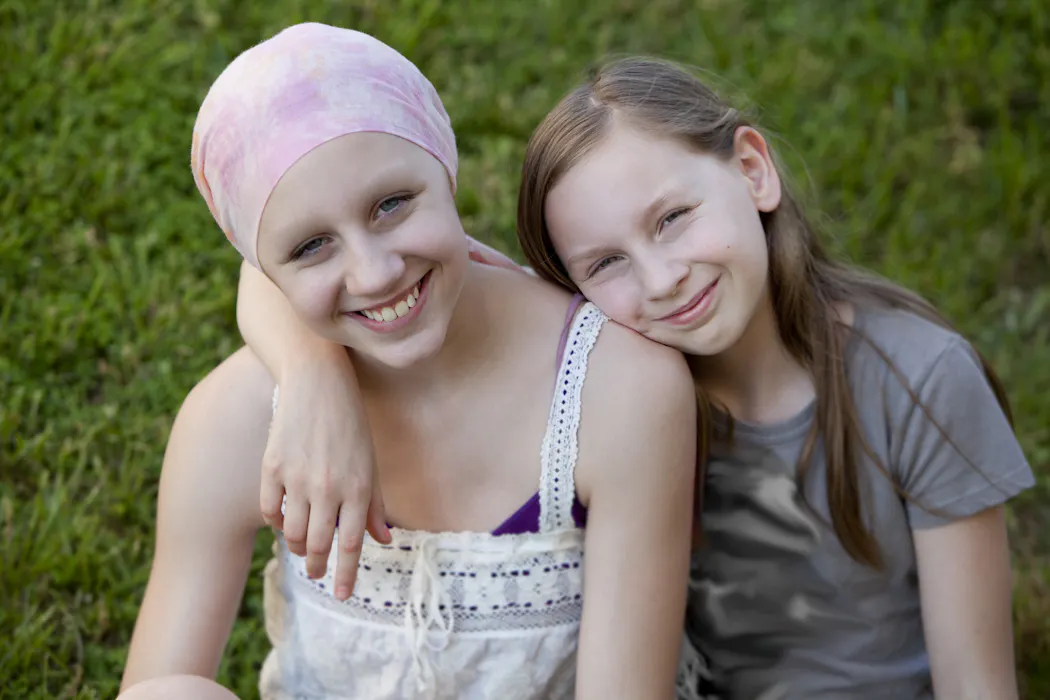
Imagine spending years living on the edge of your family’s story.
You know something is wrong with your brother or sister. You see the hospital visits and medication routines, the quiet worry on your parents’ faces. You piece things together from overheard conversations, wondering whether what you feel is normal and whether anyone notices what you are missing.
This is the lived reality for millions of siblings of children with long-term health conditions worldwide. In the United States, up to 30% of children grow up with a sibling who has a chronic condition such as epilepsy, cystic fibrosis, childhood cancer or cerebral palsy.
In Aotearoa New Zealand and Australia the statistics are comparable. The ASB national health survey 2022 found two in five (45%) Australian children live with at least one chronic condition.
New Zealand doesn’t have a single definitive data set but the 2023 household disability survey identified 98,000 disabled children, with asthma alone affecting 15–20% of children. When the full range of long-term conditions is considered, the number of children growing up alongside an affected sibling is likely similar to that seen in the US and Australia.
Research consistently shows the impact extends well beyond the child who is unwell.
Siblings experience higher anxiety, disrupted schooling, social isolation and major changes to family life. Yet as our work with a sibling advisory group shows, siblings remain largely invisible in clinical settings designed to support families.
They frequently sit on the sidelines while conversations happen around them rather than with them. Doctors speak to parents. Parents speak to the child with the condition. Siblings are watching and worrying but receive little direct information.
Many describe feeling overlooked or ignored during appointments and left to make sense of situations without language to understand them.
Lack of sibling support at children’s hospitals
To find out how well children’s hospitals in New Zealand and Australia support siblings, we looked not at policy documents or mission statements, but at what siblings and families can realistically access.
We audited major children’s hospital websites across both countries. Using the search term “sibling”, we examined whether any material was genuinely written for siblings, rather than for parents or clinicians. The findings were disappointing.
In New Zealand, only Starship Children’s Hospital returned search results. Of 54 results, just two grief booklets were remotely relevant, but both were still written mainly for parents.
Kidz First, Te Wao Nui and Whangārei Hospital provided nothing for siblings.
Across Australia, provision was uneven. Sydney Children’s Hospitals Network and the Royal Children’s Hospital Melbourne offered sibling‑specific material, while Queensland Children’s Hospital, Monash Children’s Hospital and Perth Children’s Hospital had little.
Even where material existed, siblings were rarely the intended audience. Most information targeted parents or mentioned siblings briefly within family resources. When siblings were acknowledged, it was in the context of grief, not the everyday reality of growing up alongside a brother or sister with a long‑term condition.
Beyond the hospital bed
In contrast, some of the richest and most thoughtful support sat outside the hospital system altogether.
Charities and non-governmental organisations such as Siblings Australia, Canteen Australia, Drenched, Kidshealth and New Zealand’s Parent2Parent offered age-appropriate information, peer support programmes, camps and opportunities for siblings to connect with others like them.
These supports matter deeply but are rarely signposted by healthcare teams and many families are unaware they exist.
For the young people we work with, these findings are unsurprising. Members of our sibling advisory group describe having felt invisible in clinical spaces, excluded from conversations about their sibling’s health, and left to fill in the gaps alone.
Research echoes this experience, showing restricted hospital access and information filtered through parents leave siblings confused and distressed.
What siblings are asking for
Siblings want clear, honest information about their sibling’s condition, shared in ways that match their age and understanding. They want to be included, not managed out of the room.
They want clinicians to recognise that this is their experience, too. Evidence shows when siblings receive accurate and timely information, anxiety decreases and fears about their own health or the future lessen.
Many want opportunities to connect with peers. These are not extraordinary requests. They are the foundations of good child and family care, recognising the whole family, not only the child in the hospital bed.
International reviews from Canada and elsewhere show similar findings to our audit, with sibling‑focused support scarce, poorly integrated and often invisible to families.
Researchers in Sweden, Canada, Australia and New Zealand are now working together to ask siblings aged five to 18 what information they need and how they would prefer to receive it, with the aim of improving sibling‑specific resources.
The message from research, practice and young people is clear. Siblings are an afterthought in systems organised around patients and parents.
For clinicians, change starts by acknowledging siblings and offering age‑appropriate explanations. For hospitals, it means ensuring sibling‑specific resources are visible.
Sibling‑inclusive care is not optional. For every child waiting outside a clinic room, watching their brother or sister disappear through doors they cannot follow, it is the right thing to do.
With thanks to research assistant Jess Gardiner and the young people who make up the New Zealand siblings advisory group.


