

Could 'virtual nurses' be the answer to aged care staffing woes? Dream on
- Written by The Conversation
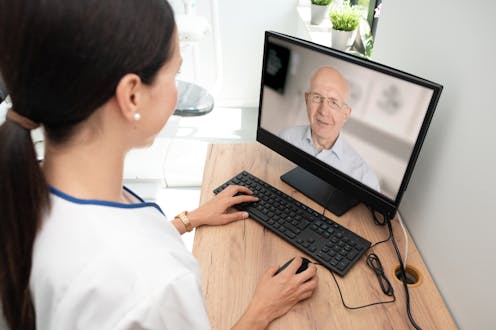
Former Health Department Chief Martin Bowles has reportedly proposed “virtual nurses” could help address the shortage of nurses in aged care.
This might involve remote, possibly artificial intelligence-assisted, virtual care, rather than physical nurse presence, to assist nursing homes to meet new legislative requirements to have a registered nurse present 24/7.
There are clear opportunities for technological innovations to improve the care, health, and wellbeing of older people. However, substitution of face-to-face nursing and human interaction with remote care is not the answer.
This seriously risks perpetuating the status quo where many older people suffer from isolation, neglect and lack of human engagement.
Eroding requirements to properly staff nursing homes with registered nurses could make it even harder to attract and keep staff.
Read more: Our ailing aged care system shows you can't skimp on nursing care
What are ‘virtual nurses’?
“Robot nurses” already exist in some contexts, helping to move patients, take vital signs (such as blood pressure), carry medicines and laundry, and even engage with patients.
However, “virtual nursing” likely refers to more familiar technology where a real nurse provides a limited range of care via telehealth (by phone and/or video).
While some might appreciate when robots can assist with certain tasks, much of what nurses do cannot and should not be performed remotely (or by robots).
Indeed, older people, their loved ones, and staff are calling out for more physically present staff and more time to care and interact, not virtual interfaces and remote consultations.
The benefits of technology in health care are unquestionable and many innovations have improved care for older people. Artificial intelligence shows promise in helping prevent and detect falls, and socially assistive robots such as PARO (a baby harp seal), have been shown to reduce stress, anxiety and antipsychotic use in people with dementia.
Technology should not, however, be introduced at the expense of care quality or supporting and sustaining a suitably sized and skilled aged care workforce. We still need to adequately staff nursing homes to provide safe, dignified care.
Read more: Before replacing a carer with a robot, we need to assess the pros and cons
We need adequate staffing
The Royal Commission into Aged Care Quality and Safety heard a vast quantity of evidence regarding insufficient staffing, particularly of nurses who have the education and skills to deliver high quality clinical and personal care.
This expertise is why nurses cannot be replaced with remote care, and why the Commission recommended 24/7 registered nurse presence; this has now been legislated.
More than half of Australian aged care residents live in nursing homes with unacceptably low levels of staffing and around 20% do not have a registered nurse onsite overnight.
Insufficient staffing results in workers not having time to interact with residents meaningfully and compassionately and also contributes to avoidable hospitalisations, worse quality care and outcomes, and poor working conditions for staff.
As social beings, human interaction is fundamental to health, wellbeing, and best practice care. This is particularly true for older people in nursing homes who are less able to engage with others and is especially vital for those living with mobility challenges and dementia.
Partly due to nurse low staffing levels, loneliness, isolation and mental ill health are widespread in aged care and have become more common due to pandemic related restrictions on visitors and staff.
Read more: Working conditions in aged care homes are awful, largely because the work is done by women
Care experiences are shaped by human interaction and contact; the touch of a hand, a smile, eye contact, and being able to take the time to genuinely listen.
These actions are central to how nurses and other staff build effective and meaningful relationships with residents.
Seeking to replace human contact with virtual interfaces seems both inconsistent with the Royal Commission’s findings and possibly cruel.
Personal interactions also help staff, as the Royal Commission highlighted:
Knowing those they care for helps care staff to understand how someone would like to be cared for and what is important to them. It helps staff to care – and to care in a way that reinforces that person’s sense of self and maintains their dignity. This type of person-centred care takes time.
Rather than circumventing reforms to ensure more nurses provide face-to-face care in nursing homes, we need to address the range of challenges contributing to widespread and tenacious workforce shortages.
There are clear challenges for growing and retaining a sufficiently sized and skilled aged care workforce. However, government reforms, such as better pay, mandated care time, and greater accountability and transparency regarding the use of funds all work together to make aged care a feasible and attractive sector to work in.
This is one where staff are supported to provide the high quality and safe aged care all Australians deserve and where older people receive best practice, human care.


