

Why do I wake up thirsty?
- Written by The Conversation
If you wake up in the morning feeling thirsty, you might be dehydrated.
There are a few things which might be at play here, including not drinking enough the day before.
The temperature overnight will also impact your hydration levels, with warm conditions meaning you will sweat overnight.
However, even during cold weather, we still lose fluid from breathing, which you’ve probably noticed when your breath becomes visible in the cold.
Often people avoid drinking fluids just before bed to avoid waking in the night to visit the toilet, which may further exacerbate dehydration.
And one of the commonest causes for waking up thirsty is consuming too many diuretics, especially alcohol. Diuretics are things which cause you to lose fluid through urine, but beyond what you would normally lose from the volume you have consumed.
So why is it so important to stay hydrated, and what can we do to ensure we are?
How do I know if I’m dehydrated?
Our brains release a hormone called “antidiuretic hormone” when it senses we are becoming dehydrated. It also releases this during the night to help us retain fluid since we can’t drink water while we sleep.
This hormone does two things. It makes us feel thirsty, prompting us to go and drink water, and it tells our kidneys to absorb more water back into the body, rather than turning it into urine.
This response occurs when we are dehydrated by 1-2% of our body weight. So if you weigh 70kg, and you have lost 1.4kg of weight over the day, it is a 2% loss of body fluids. (We know this amount of weight loss is fluids and not body weight, as it would almost be impossible for people to lose this amount of fat and/or muscle in a day).
The colour of your first morning urine is a really good indicator of how hydrated you are. The darker the colour, the more dehydrated you are. You should be aiming for your first morning urine, as viewed in a white toilet bowl, to be the colour of hay.

Why is hydration important?
Staying hydrated is crucial for the optimal functioning of our body.
Dehydration, even at 2% of body weight, can impact physical performance – this includes things like fine motor skills, coordination, and strength and endurance when working and exercising. It also makes you feel like you are exerting yourself more than normal, which means you will tire more easily.
Cognitive performance and ability are also affected at 1-2% dehydration. This includes the ability to concentrate, solve problems and make decisions.
Dehydration also increases your risk of feeling more unwell with heat, and of course in heat you are more at risk of dehydration. Health is further impacted if dehydration goes beyond 2%. At about 10% dehydration (so losing 7kg of fluids in a 70kg person), delirium can set in, as well as renal failure and even death.
Recommendations tell us we need to consume around two litres of fluid per day, much of which can come from the food we eat, and importantly fluid losses can be corrected within 24 hours.
What are diuretics and why do they make us dehydrated?
Diuretics are a class of drugs that make the kidneys remove salt and water from the body through urine, usually to treat high blood pressure. But naturally occurring diuretics are also found in our diet.
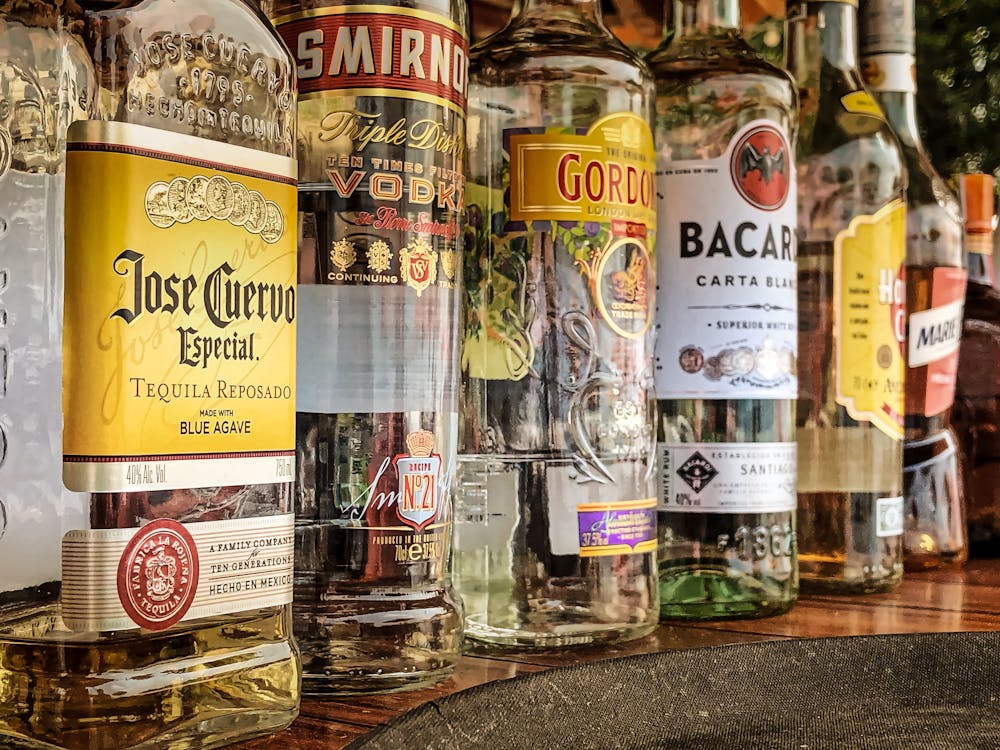
Alcoholic drinks above 4% alcohol concentration cause our body to turn more fluid into urine than the amount of fluid we’re actually drinking. Given most beers, wines and spirits are above this level, a night with friends having a couple of glasses of alcohol may cause dehydration.
Coffee is also a diuretic as it contains two chemicals, caffeine and theophylline, which both increase blood flow to the kidneys – this makes them excrete more fluid. Intakes below 450mg of caffeine (about three to four coffees) are unlikely to impact hydration levels, and most people have a lot of milk and water with their coffee which would replenish most of the fluid lost.
Other known diuretics include cranberry juice, ginger, fennel, apple cider vinegar and some teas including green, dandelion and nettle. There are many herbs that are known to be diuretics. However, this does not mean they should be avoided as they offer many other important nutrients, and fluid recommendations account for diuretics in foods consumed in typical serve sizes.
Eating foods high in salt does not lead to total water loss from your body, but it causes fluid loss from your cells. This is problematic for your body and the way cells are regulated. So it’s crucial to drink plenty of fluids when consuming a high-salt meal or diet.
Read more: Remind me again, why is salt bad for you?
How can I stay hydrated?
Activities that lead to increased sweating, such as training, playing sport or even gardening, can cause dehydration. So be sure to increase your fluid intake if you have been active, or if the weather is warm.
All fluids contribute to your intake, but water is very effective.
Recently a group of researchers looked at the potential of different beverages to affect hydration status relative to water.
Sparkling water, sports drinks, cola, diet cola, tea and coffee were equivalent to water. Milk (any fat percentage) from either dairy or soy, milk-based meal replacements, oral rehydration solutions and beer under 4% alcohol were superior to water. And of course alcohol above 4% alcohol concentration was inferior to water.
Read more https://theconversation.com/why-do-i-wake-up-thirsty-183731


