

Dogs can get dementia – but lots of walks may lower the risk
- Written by The Conversation
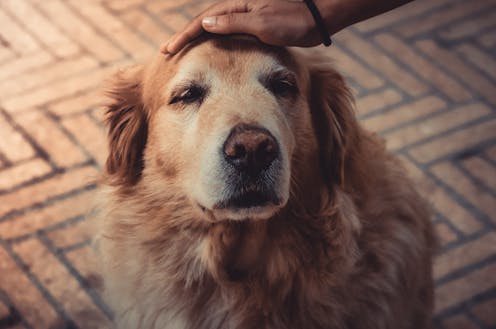
Dogs get dementia too. But it’s often difficult to spot. Research published today shows how common it is, especially in dogs over ten years old.
Here are some behavioural changes to watch out for in your senior dog and when to consult your veterinarian.
What is doggy dementia?
Doggy dementia, or canine cognitive dysfunction, is similar to Alzheimer’s disease in humans, a progressive brain disease that comes with behavioural, cognitive and other changes.
It is generally seen in dogs over eight years old, but can occur in ones as young as six.
Pet owners may dismiss many behaviour changes as just a normal part of ageing. So it’s likely there are more dogs with it than we realise.
Veterinarians can also find it difficult to diagnose. There is no accurate, non-invasive test for it. And, just like humans, senior dogs are likely to have a number of other health issues that can complicate diagnosis.
Read more: Curious Kids: Why don't dogs live as long as humans?
Does my dog have dementia?
Dogs with dementia can often get lost in their own backyard or home. They can get stuck behind furniture or in corners of the room, because they forget they have a reverse gear. Or they walk towards the hinge side of a door when trying to go through.
Dogs’ interactions with people and other pets can change. They may seek less or more affection from their owners than before, or start to get grumpy with the other dog in the home where once they were happy housemates. They may even forget faces they have known all their lives.
They also tend to sleep more during the day and be up more at night. They may pace, whine or bark, seemingly without purpose. Comfort does not often soothe them, and even if the behaviour is interrupted, it usually resumes quite quickly.
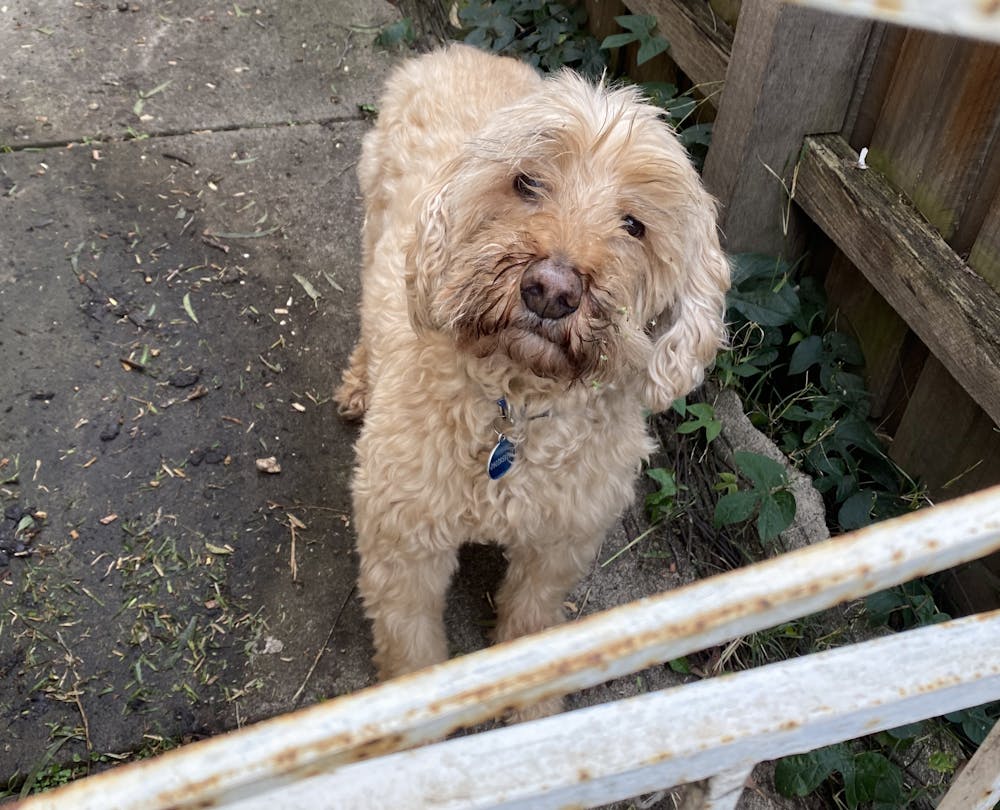
Sometimes caring for a senior dog with dementia is like having a puppy again, as they can start to toilet inside even though they are house-trained. It also becomes difficult for them to remember some of those basic behaviours they have known all their lives, and even more difficult to learn new ones.
Their overall activity levels can change too, everything from pacing all day, non-stop, to barely getting out of bed.
Lastly, you may also notice an increased level of anxiety. Your dog may not cope with being left alone any more, follow you from room to room, or get easily spooked by things that never bothered them before.
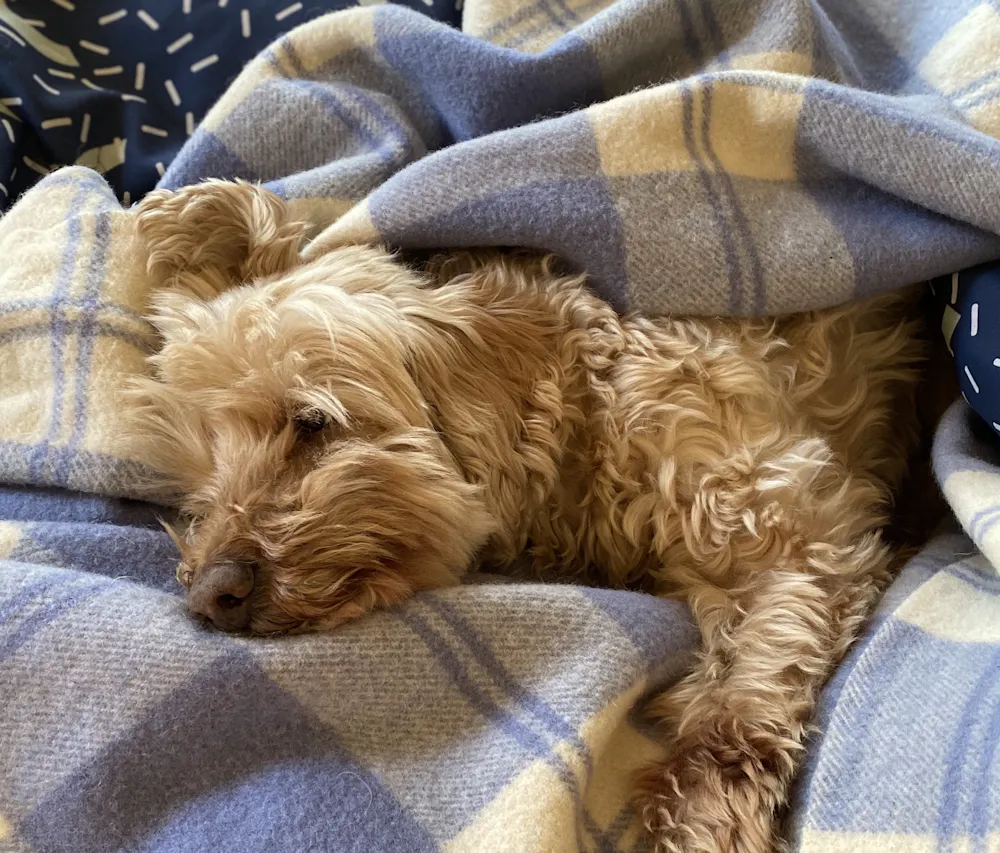 Watch for gradual changes in behaviour.
Editor supplied, CC BY
Watch for gradual changes in behaviour.
Editor supplied, CC BY
I think my dog has dementia, now what?
There are some medications that can help reduce signs of doggy dementia to improve quality of life and make caring for them a little easier. So, if you think your dog is affected, consult your veterinarian.
Our group is planning research into some non-drug treatments. This includes looking at whether exercise and training might help these dogs. But it’s early days yet.
Unfortunately there is no cure. Our best bet is to reduce the risk of getting the disease. This latest study suggests exercise might be key.
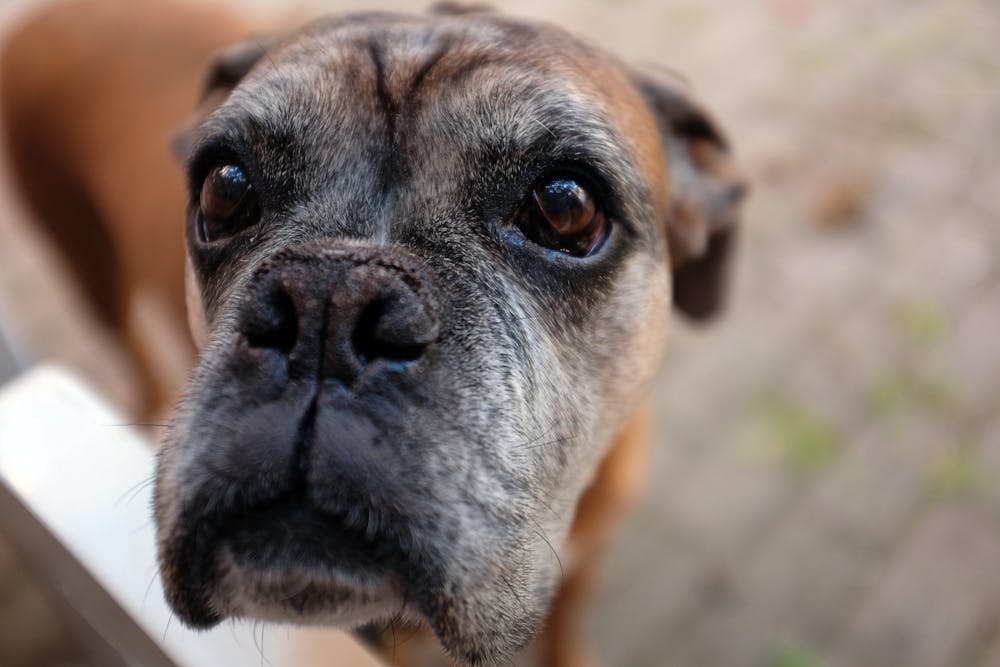 There is no cure for canine cognitive dysfunction.
Pexels/Klas Tauberman, CC BY
There is no cure for canine cognitive dysfunction.
Pexels/Klas Tauberman, CC BY
What did the latest study find?
US research published today gathered data from more than 15,000 dogs as part of the Dog Aging Project.
Researchers asked pet dog owners to complete two surveys. One asked about the dogs, their health status and physical activity. The second assessed the dogs’ cognitive function.
Some 1.4% of the dogs were thought to have canine cognitive dysfunction.
For dogs over ten years old, every extra year of life increased the risk of developing dementia by more than 50%. Less-active dogs were almost 6.5 times more likely to have dementia than dogs that were very active.
While this might suggest regular exercise could protect dogs against dementia, we can’t be sure from this type of study. Dogs with dementia, or with early signs of dementia, may be less likely to exercise.
However, we do know exercise can reduce the risk of dementia in people. So walking our dogs may help them and us reduce the risk of dementia.
Read more: Is my dog too cold? How cold is too cold for a walk? Here's how to tell
‘I love my girl so much’
Caring for a dog that has dementia can be hard, but rewarding. In fact, our group is studying the impact on carers.
We believe the burden and stress can be similar to what’s been reported when people care for someone with Alzheimer’s.
We also know people love their old dogs. One research participant told us:
I love my girl so much that I am willing to do anything for her. Nothing is too much trouble.
Read more https://theconversation.com/dogs-can-get-dementia-but-lots-of-walks-may-lower-the-risk-189297


