

Behind the 'world’s friendliest COVID protocols', Fiji's health system remains stretched and struggling
- Written by The Conversation
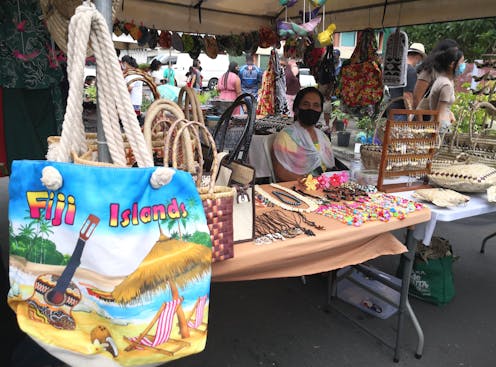
With Fiji “open for happiness” and a COVID test no longer required on arrival, the temptation to take that long awaited tropical holiday may be stronger than ever.
Fiji is clearly very keen to see tourists, and their money, return, having previously boasted that it provided the world’s friendliest COVID test. COVID restrictions are now minimal.
Despite the optimism, COVID continues to circulate in Fiji, and some requirements remain. Holidaymakers are required to have insurance that covers the costs of testing, treatment, isolation and transport home. Those unlucky enough to get COVID must isolate for five days.
But the current approach by the Fijian government towards COVID-19 highlights the gap between the tourist experience and the lives of ordinary Fijians. Many locals struggle to find and pay for those COVID tests, which cost NZ$8–$20 per kit and are only available from approved pharmacies.
Between ongoing issues in the health sector and the effects of the global cost of living crisis, the reality behind Fiji’s marketing images remains challenging for many.
COVID horror still lingers
Over the past year, 68,000 Fijians contracted COVID-19 and 878 died. Hospitals have been stretched to breaking point amid shortages of equipment, medicine and space.
Heath workers burned out and many left their jobs. Amnesty International has attributed the COVID deaths to an inadequately resourced healthcare system, noting thousands of patients were turned away from hospitals due to bed shortages.
Read more: How your Spanish holiday could be quite different this year -- and why that matters
To be fair, the Fijian health sector was struggling well before the pandemic. The country already faced a worsening noncommunicable disease (NCD) crisis as well as high rates of infectious disease, both of which exacerbated the impacts of COVID.
Outbreaks of typhoid, dengue and leptospirosis have been a particular concern.
Combined with ageing infrastructure and an exhausted workforce, the situation reflects long-term neglect and under-resourcing of Fijian health services. As a consequence, the country has seen an unprecedented exodus of nurses and other health professionals and the closure of operating theatres.
Privatisation of health
The government’s response to these multiple crises has been twofold. Firstly, Fiji’s government promised increased support for health through the budget and a pivot to focus on NCDs.
At least 70% of the Fijian population who had COVID when they died were also suffering from a chronic disease. In response, health authorities are now focusing on wellness and promoting healthier behaviours to build people’s resilience to the virus.
This shift in strategy also means the government has committed to keeping better track of patients with NCDs and to keep the rest of the population healthy.
But the second response, one that began before the crisis and has expanded over the past three years, is a creeping privatisation of the health system. This has included the introduction of public-private partnerships (PPPs) (criticised for lack of adequate consultation), the rise in private laboratory, pharmaceutical and mortuary services and the expansion of a private GP scheme.
The potential impact of this is concerning in a country where the minimum wage is below US$2 a day. Without careful regulation and a well-functioning public health system, privatisation could put Fiji’s commitment to universal health care at risk. It might also lead to rising costs and a reduced focus on public health and health promotion.
Be a good tourist
The rising cost of health care is already a reality for ordinary Fijians. Between 40–50% of the population is estimated to live in poverty; putting food on the table is an everyday struggle.
With a national election anticipated soon, how Fiji responds to these challenges and the global cost of living crisis is very much in the spotlight.
For tourists, these structural issues may not be obvious. But by taking precautions that reduce the strain on Fiji’s health services, tourists can show respect and care for the Fijians providing the human and cultural element of their holiday experience.
Read more: COVID changed travel writing. Maybe that's not a bad thing
Behind the famous “bula smile” they or members of their families may be struggling with returning to work in the resorts, or to access the health care and wellbeing support they need.
They may still offer the world’s friendliest COVID protocols, but it comes at a cost that cannot always be measured by money.


