To start cutting gas and electricity prices, here's what the government looks likely to deliver by Christmas
- Written by The Conversation
Treasurer Jim Chalmers says he’ll have a system in place to deal with rising energy prices by Christmas.
He can’t yet tell us what it will be, because that will depend on the outcome of negotiations with gas and electricity companies, and possibly on legislation he might have to get through parliament.
But thanks one of the treasurer’s most trusted confidants, we can now piece together a pretty good picture of what lies ahead.
Clues from the head of Treasury
The head of the treasurer’s department, Treasury secretary Steven Kennedy, shared his thoughts with a Senate estimates committee last week.
While Kennedy presented them as his own thoughts, Kennedy’s day job is helping Chalmers work out what to do.
The first thing to note is that Kennedy, like Chalmers, doesn’t like the idea of intervening in markets just because prices are high.
As he told the Senate, usually the solution to high prices “is high prices”.
What he means is that usually when prices jump it’s because there isn’t enough of something. The high prices encourage new suppliers to get into business supplying that thing, and that forces prices down.
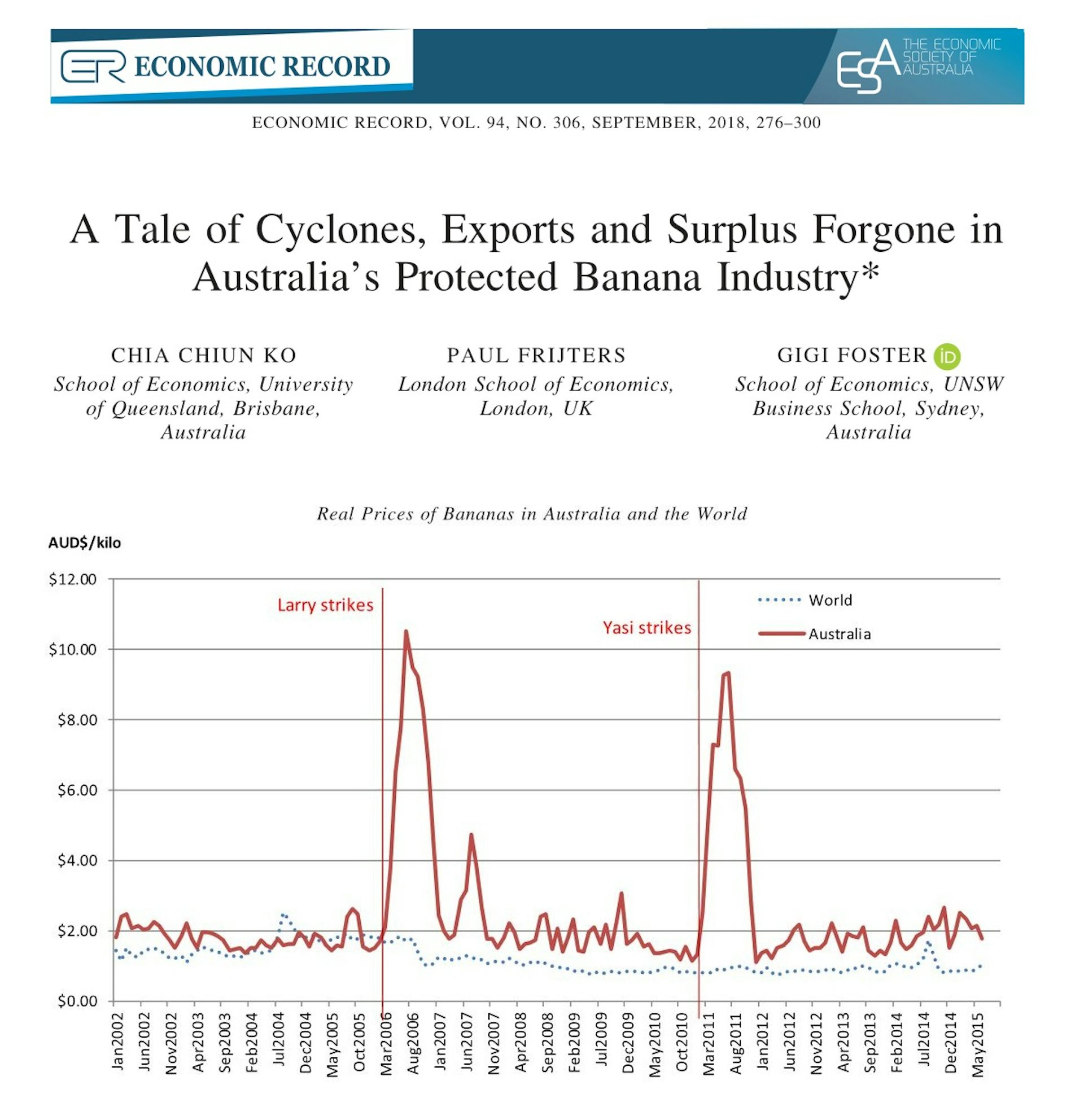
If that can’t happen quickly enough, the high prices will encourage users of that something to switch to a substitute, as we did when cyclones hit Queensland’s banana crops in 2006 and 2011. We switched to other fruits grown elsewhere.
Interfering with high prices interferes with those adjustments. Usually.
Read more: Cheaper gas and electricity are within our grasp – here's what to do
However, at the moment, there needn’t be an Australian gas shortage. Australia’s east coast produces roughly three times as much gas as it uses each year.
Although most of the rest of the gas is exported in accordance with long-term contracts, an increasing amount is being exported over and above those contracts to take advantage of the temporary spike in international prices following Russia’s invasion of Ukraine.
If that gas was sold here at pre-invasion prices, there wouldn’t be a shortage, and Australian prices wouldn’t be up to four times what they used to be, pushing manufacturers to the brink and pushing electricity prices way beyond normal.
Whatever is done will be temporary
Kennedy’s first point is that the global price hike is likely to be temporary, or as he put it, “hopefully temporary”. Even if the conflict persists, international supply and demand are likely to adjust to bring global prices back down. That means any intervention should be temporary, so it doesn’t distort markets forever.
Kennedy’s second point is that the gas exporters selling for ultra-high prices over and above what they are contracted to sell are making exceptionally high profits – “well beyond the usual bounds of investment and profit cycles”. They would do just fine if their profits were merely ordinarily high rather than super high.
His third point is that the temporarily high prices are hacking into the profits of other Australian businesses and “raising questions about their viability”.
Read more: Leading economists back federal government action to curb rising gas and electricity prices
Households, especially lower-income households, will be severely affected.
Summing up more clinically, Kennedy says what’s happening in Ukraine is “leading to a redistribution of income and wealth, and disrupting markets”.
The national interest case for this redistribution is “weak, and it is not likely to lead to a more efficient allocation of resources”.
Beyond a gentleman’s agreement
In August the government signed a sort of gentleman’s agreement with the three east coast gas exporters in which they’ve agreed to offer uncontracted gas to local customers first, before offering it overseas.
But (and it’s a big but) they’ll offer it at international prices, with the only stipulation being that local customers “not pay more” than overseas customers.
Although well-intentioned, it will allow prices many times higher than the A$8 a gigajoule that was common before COVID – high enough to send some customers to the wall.
The two-step solution Kennedy is pointing to goes further, temporarily.
Agreement on lower prices – or a tax might be next
The first step is likely to be to ask the producers to supply enough gas to local customers to get local prices down to A$10 a gigajoule, an idea suggested by the former Australian Competition and Consumer Commission chief Rod Sims.
Sims thinks the producers are likely to agree. The Commonwealth has the power to impose export controls. If they don’t agree, Kennedy has hinted at stage two.
Read more: Politics with Michelle Grattan: Rod Sims on the gas price crisis
That fallback position would be a temporary tax on the excess profits of exporters and use it to subsidise domestic prices, along the lines of the temporary tax in the United Kingdom.
Economic purists, including those surveyed by The Conversation this month, would prefer the tax was paid to the victims of ultra-high prices in cash, rather than in subsidised prices, because it would encourage them to get off gas.
But Kennedy (and probably Chalmers) believe the ultra-high prices are temporary. Both want to bring down the current ultra-high rate of recorded inflation. It’s something price subsidies would do, but cash handouts would not.
Read more: Grattan on Friday: We must find a way to get gas prices down, but how?
The two-step nature of the process is probably why it is taking so long.
Chalmers and colleagues need to ascertain what the exporters are prepared to do about prices if merely asked, and to prepare legislation for a temporary tax – should they need to take that final step.