

Why bioplastics won't solve our plastic problems
- Written by The Conversation
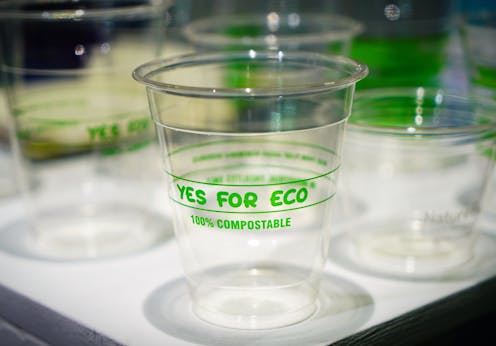
Last month, Victoria banned plastic straws, crockery and polystyrene containers, following similar bans in South Australia, Western Australia, New South Wales and the ACT. All states and territories in Australia have now banned lightweight single-use plastic bags.
You might wonder why we have to ban these products entirely. Couldn’t we just make them out of bioplastics – plastics usually made of plants? Some studies estimate we could swap up to 85% of fossil-fuel based plastics for bioplastics.
Unfortunately, bioplastics aren’t ready for prime time – except for their use in kitchen caddy bins as food waste liners. In Australia, we don’t have widely available pathways to compost or process them at the end of their lives. Nearly always, they end up in landfill.
That’s why many states are including bioplastics in their plastics bans. Avoiding single-use plastics entirely, whether traditional fossil fuel-based plastics or bioplastics, is more sustainable. And as our recycling system struggles, less plastic of any kind is simply better.
Bio-based, biodegradable and compostable are different
Bioplastics is a blanket term covering plastics which are biologically-based or biodegradable (including compostable), or both.
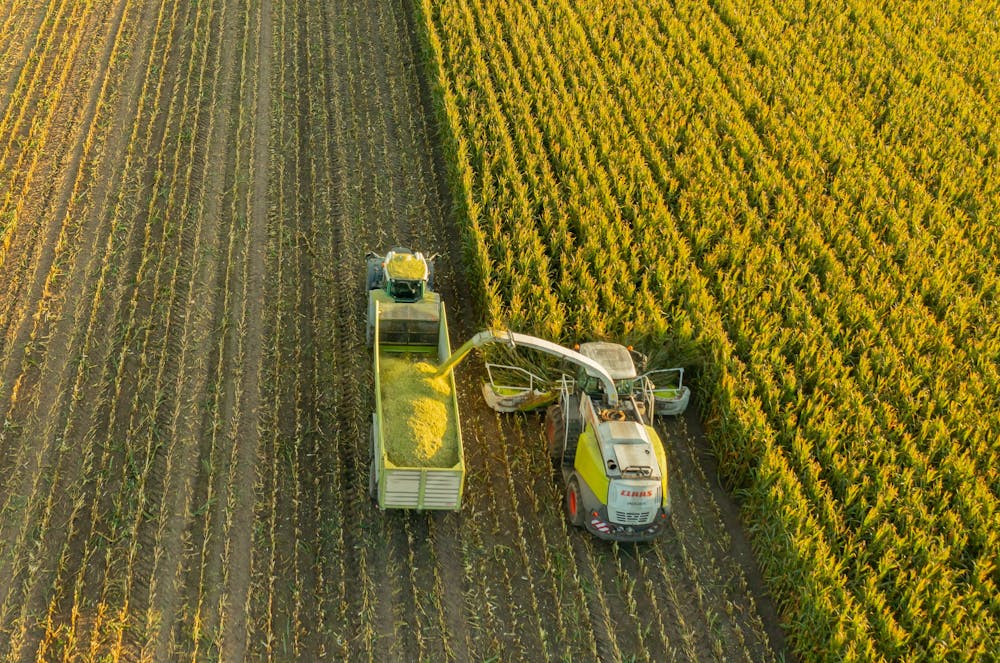
Plastics are materials based on polymers – long-repeating chains of large molecules. These molecules don’t have to be oil-based - biologically-based plastics are made from raw materials such as corn, sugarcane, cellulose and algae.
Biodegradable plastics are those plastics able to be broken down by microorganisms into elements found in nature. Importantly, biodegradable here doesn’t specify how long or under what conditions plastic will break down.
Compostable plastics biodegrade on a known timeframe, when composted. In Australia, they can be certified for commercial or home compostable use.
These differences are important. Many of us would see the word “bioplastic” and assume what we’re buying is plant based and breaks down quickly. That’s often not true. Some biodegradable plastics are even made from fossil fuels.
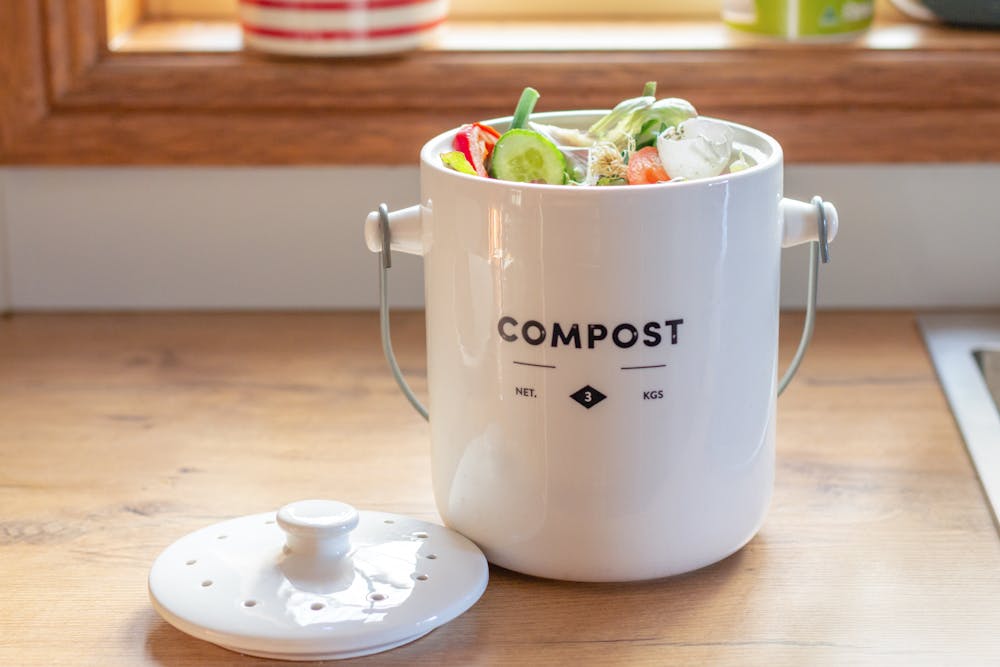 Compostable bin caddies are the main sustainable use for bioplastics at present.
Shutterstock
Compostable bin caddies are the main sustainable use for bioplastics at present.
Shutterstock
Are bioplastics broadly more environmentally friendly?
To understand this we need to look at the whole lifecycle of the plastic, how it is made, used and what happens to it at end-of-life. Manufacturing bio-based plastics generally has lower environmental impacts and has less greenhouse gas emissions than fossil fuel plastics.
This isn’t always the case. Producing plastics from plants has an environmental impact from the use of land, water and agricultural chemicals. Increased demand for agricultural land could lead to biodiversity loss and can compete with food production.
Read more: If plastic comes from oil and gas, which come originally from plants, why isn’t it biodegradable?
Bioplastics often sub in for familiar single use items such as plastic bags, takeaway coffee cups and cutlery. Around 90% of the bioplastics sold in Australia are certified compostable. In most of these applications a reusable alternative would be the most sustainable option.
Some applications have beneficial environmental outcomes: compostable bags for kitchen food waste caddies increase the rate of food waste collected, which means less food waste in landfill and fewer greenhouse gas emissions.
What about the crucial question of plastic waste and pollution? Sadly, if bioplastics end up in the environment, they can damage the environment in the same way as conventional plastics, such as contaminating soil and water. A turtle can choke just as easily on a bioplastic bag as a conventional plastic bag. That’s because biodegradable plastics still take years or even decades to biodegrade in nature.
Ideally, bioplastics should be designed to be either recyclable or compostable. Unfortunately, some bioplastics are neither. These pose problems for our waste management system, as they often end up contaminating recycling or compost bins when the only place for them is the tip.
In recent research for WWF Australia, we found widespread greenwashing in the industry, with terms such as “earth friendly” and “plastic-free” adding to the confusion. Regulating the industry and standardising terms would make it easier for us all to choose.
Compostable plastics almost all end up in landfill
Compostable plastics are designed to be broken down in the compost. Some can be composted at home, but others have to be done commercially.
The problem is these plastics aren’t being composted most of the time. Australian Standard compostable plastics are accepted in food organics and garden organics bins in South Australia and some councils in Hobart. But everywhere else, access to these services is limited. Many councils in other states will accept food and green waste – but specifically exclude compostable plastics (some accept council-supplied food waste caddy liners).
Read more: Do you toss biodegradable plastic in the compost bin? Here’s why it might not break down
This means most compostable plastics used in Australia end up in landfill, where they emit methane as they break down, where it is not always captured. There’s no benefit using bioplastics if they can’t – or won’t – be recycled or composted, especially if they’re replacing a plastic that’s readily recyclable, such as the PET used in soft drink bottles.
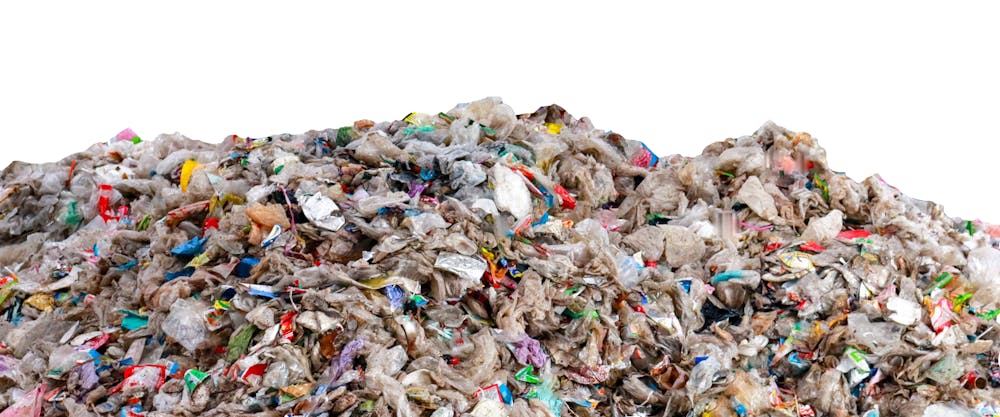 Bioplastics still take time to degrade in landfill- and emit methane as they do so.
Shutterstock
Bioplastics still take time to degrade in landfill- and emit methane as they do so.
Shutterstock
Where does it make sense to use bioplastics in Australia?
When you reach for a bioplastic product, you’re probably doing it to reduce plastic waste. Unfortunately, we’re not there yet. We need viable pathways for recycling and composting.
So should we avoid them altogether? If you use compostable bin caddies and compost them at home or your council accepts them, that’s a useful option. But for most other uses, it’s far better to just not use plastic at all. Your reusable coffee cup and shopping bags are the best option.
Read more: When biodegradable plastic is not biodegradable
Read more https://theconversation.com/why-bioplastics-wont-solve-our-plastic-problems-200736


