

Lobbying regulations are vital to any well functioning democracy – it's time NZ got some
- Written by The Conversation
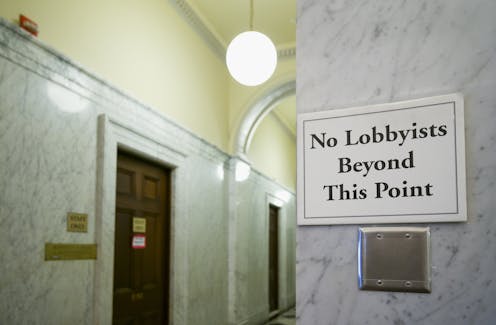
The recently announced review of New Zealand’s lobbying sector needs to tackle questions of transparency and access if it is to make any real difference to how industries influence decision making. This includes establishing an enforceable register of lobbyists and introducing a cooling off period for former politicians before they can begin lobbying.
The review was announced after revelations former police minister Stuart Nash shared confidential cabinet information with political donors. In the aftermath, Prime Minister Chris Hipkins requested lobbyists’ swipe-card access to Parliament be revoked. He also called on the lobbying industry to develop its own voluntary “code of conduct”.
Unlike many countries, New Zealand does not require lobbyists to register, disclose their clients or funding sources, or adhere to ethical standards.
But our research into alcohol, tobacco and cannabis industry lobbying highlights how corporations wield their influence over public officials and the public to achieve their interests.
The problems with political lobbying
On one hand, private sector engagement is often valuable and can lead to better government policies. Businesses have expertise that can help policymakers understand innovation and assess the feasibility of proposed policies.
Yet the political system is not always transparent and equally inclusive. Corporations have considerably more money, expertise and time than everyday citizens to engage with politicians.
Read more: Revealed: the extent of job-swapping between public servants and fossil fuel lobbyists
This influence can result in weak and ineffectual responses from government, including decision makers deferring responses with long consultation periods or distant targets.
Tobacco lobbyists, for example, have long pushed back against plain packaging and tax increases on tobacco products, despite evidence of their effectiveness to reduce smoking harm. Instead, lobbyists have also argued that raising tobacco taxes merely contributes to a tobacco black market.
The dark art of influencing
Researchers looking at tobacco and alcohol lobbying have found corporate influence often involves long-term strategies rather than directly “visible” attempts to influence politicians.
One study in the United Kingdom showed how alcohol interests adopted a long-term strategy to influence policy. Personal contacts with key policymakers were nurtured well before they entered government.
This sort of relationship building can also include gift giving, from small consumables such as rugby tickets and dinner, to speaking roles, international travel, club membership and the promise of future employment.
Read more: Why businesses want the ear of government and are willing to pay for it
Social media is also increasingly used in lobbying. Digital platforms offer opportunities to initiate, target and foster contacts between corporations and politicians. They can also be used to persuade the public to put pressure on policy makers, thereby indirectly influencing government decisions.
While direct corporate donations to political parties and candidates are often easy to trace, corporate funding can also be re-channelled through supposedly independent organisations, via non-governmental organisations (NGOs) and “think tanks”.
The alcohol and tobacco industries fund not-for-profit organisations to conduct social campaigns or engage in research. They are often presented as “independent”, despite their industry connections. An Australian study found the alcohol industry used these organisations to promote ineffective responses in policy submissions and to campaign against higher alcohol taxes.
The “revolving door” phenomenon, where industry personnel enter policy making and vice versa, is another influence pathway. One recent example from the tobacco sector involves an ex-senior official from the World Health Organisation moving to a leadership role in a non-profit funded by one of the biggest tobacco producers in the world.
In New Zealand, investigative reporting has highlighted the easy movement between lobbying roles for the alcohol industry and subsequent senior public policy roles.
What can be done?
Key proposals for the long-term regulation of lobbying in New Zealand have focused on establishing a lobbying register and introducing a cooling off period for former ministers before they can enter the lobbying sector.
This is a good start to providing transparency.
According to a 2022 review of lobbying regulations by the OECD, the register needs to be enforceable, and provide enough detail about lobbying activities, to be effective. This includes who is conducting lobbying, their key objectives and targeted politicians.
Read more: In a climate crisis, how do we treat businesses that profit from carbon pollution?
In New Zealand, the opposition suggested a 12 month stand-down period for former ministers before they can enter lobbying. In Canada, the cooling-off period for designated public officials is five years.
And – as we showed with examples above – there are other political roles beyond ministers that need to be considered, including MPs and local government officials. The hiring of former private corporate employees into the public sector should also be looked at.
Defining who should be covered by the transparency requirements is another challenge. A range of actors beyond professional lobbyists compete for policymakers’ attention.
These include think-tanks, NGOs and even researchers who may receive funding from corporations. The OECD review found those third-party actors are not always covered by transparency requirements and some activities, such as the use of social media as a lobbying tool, are exempt.
Corporations may have legitimate demands to protect market-sensitive information. Yet modern lobbying regulations need to ensure citizens can access key information on all forms of lobbying, including on social media.


