

Virtual influencers: meet the AI-generated figures posing as your new online friends – as they try to sell you stuff
- Written by The Conversation
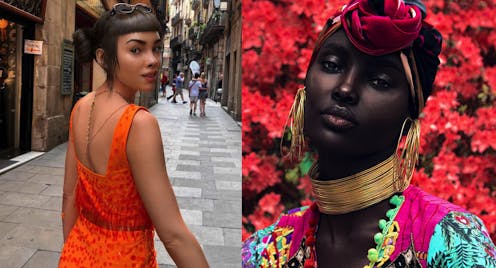
The future of influence is here: a digital avatar that captivates millions of adoring fans while offering unparalleled customisation and round-the-clock availability.
Virtual influencers are transforming the way content is created, consumed and marketed online. They represent an electrifying dance between cutting-edge technology and our desire for connection. But, at the same time, they are yet another product being peddled by marketers that want our money.
Upon close inspection, we can see the risks that emerge with these blurred realities.
What are virtual influencers?
While virtual influencers aren’t a particularly new concept – virtual Japanese popstar Kyoko Date has been around since 1996 – recent advances in technology have thrust them into the spotlight.
Also called digital influencers or AI influencers, these digital personalities have a social media presence and interact with the world from a first-person perspective.
They’re created by 3D artists using CGI (computer-generated imagery), motion-capture technology and AI tools. Creators can make them look and act exactly how they want, and their personas are thoughtfully developed to align with a target audience.
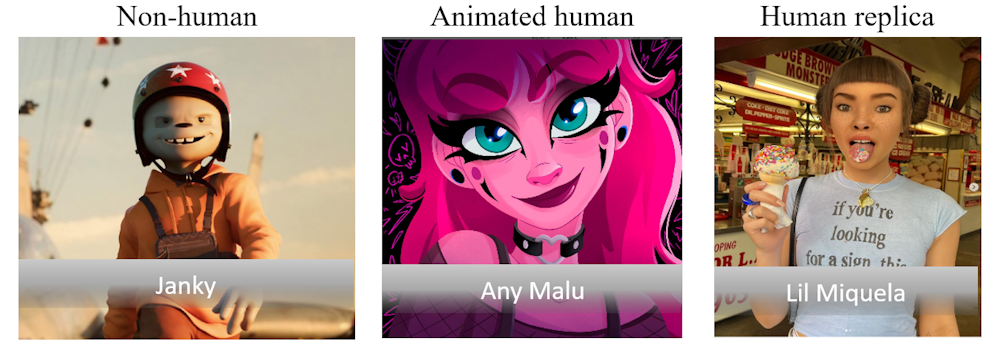
There are three main types of virtual influencers: non-humans, animated humans and life-like CGI humans. Each one provides an innovative way to connect with audiences.
Why do virtual influencers exist?
Advancements in AI, the rise of social media and visions of the metaverse (in which the real and virtual worlds are blended into a massive immersive digital experience) are synergistically fuelling the growth of virtual influencers.
Their popularity has prompted marketing agencies to embrace them as a cost-effective promotional strategy.
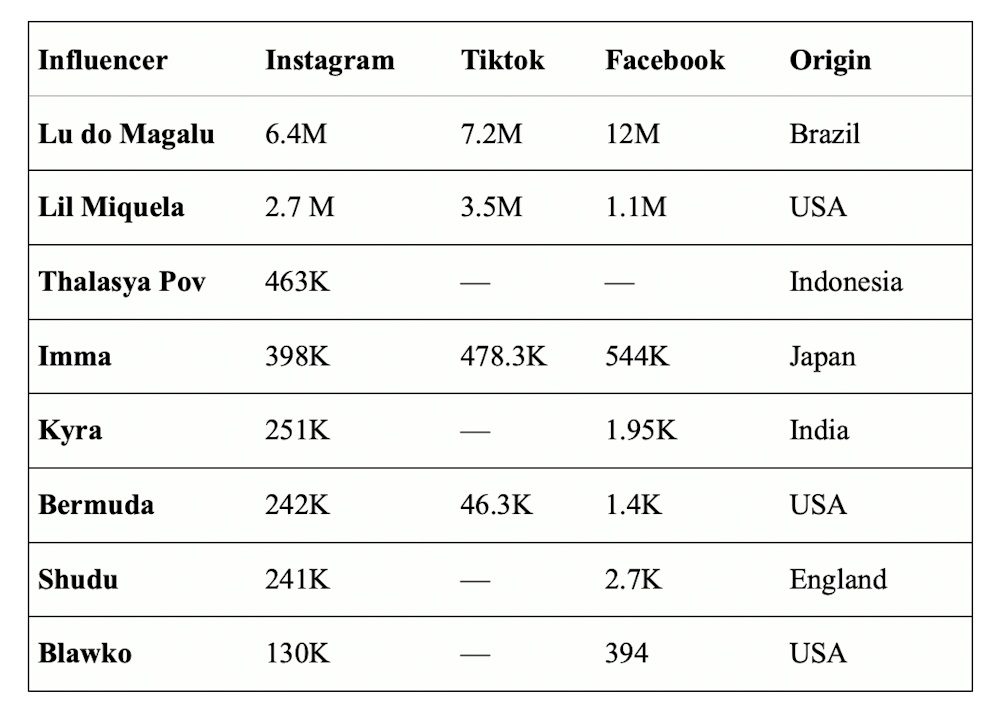 Some virtual influencers have millions of followers across their social media accounts.
Author provided (no reuse)
Some virtual influencers have millions of followers across their social media accounts.
Author provided (no reuse)
While real influencers with millions of followers may demand hundreds of thousands of dollars per post, one 2020 estimate suggested virtual influencer Lil Miquela charged a more reasonable £6,550 (currently about A$12,600).
Virtual influencers have clear benefits when it comes to online engagement and marketing. They don’t age, they’re free from (real) scandals and they can be programmed to speak any language. It’s no surprise a number of companies and celebrities have caught onto the trend.
In 2019, supermodel Bella Hadid posed with Lil Miquela in ads for Calvin Klein in what one columnist dubbed a “terrifying glimpse of the future”.
Since then, virtual influencers have become even more popular. In 2021, Prada introduced a CGI ambassador for its perfume Candy. More recently, Lil Miquela has popped up in a number of high-profile brand campaigns and celebrity interviews. Even rapper Timbaland has said he is considering a collaboration.
The transparency issue
Virtual influencers have a unique cultural dimension. They exist in a murky space between our world and the virtual which we’ve never quite explored. How might they impact us?
One major concern is transparency. Many virtual influencers already present as human-like, and it may become increasingly difficult to distinguish between them and real people. This is particularly problematic in an advertising context.
Virtual influencers often feature alongside real celebrities.As the market for virtual influencers grows, we’ll need clear guidelines on how this content is used and disclosed.
India has taken the lead on this. In January, its Department of Consumer Affairs made it mandatory for social media influencers, including virtual influencers, to disclose promotional content in accordance with the Consumer Protection Act, 2019.
Similarly, TikTok has updated its community guidelines to say:
Synthetic or manipulated media that shows realistic scenes must be clearly disclosed. This can be done through the use of a sticker or caption, such as ‘synthetic’, ‘fake’, ‘not real’, or ‘altered’.
A Messi way to make money
The emergence of virtual replicas of real people (including deepfakes) has led to new discussions about how a person’s likeness may be used, with or without their consent.
On one hand, celebrity deepfake porn is on the rise. On the other, celebrities are including “simulation rights” in their contracts so their likeness may be used in the future. Take global football star Lionel Messi, who allowed PepsiCo to use a digital version of him to promote Lay’s potato chips.
While this might introduce opportunities for talent expansion, it also raises exploitation risks. People may unwittingly or desperately sell off their digital likeness without consent or adequate compensation.
Will the virtual replace the human?
For now, the relationship between virtual and human influencers seems more poised for coexistence than a total replacement. For now, virtual influencers can’t connect with people the way a real person can (although it’s hard to say how this might change in the future).
As for human content creators, virtual influencers are both inspiration and competition. They’re transforming what it means to be creative and influential online. Whether they like it or not, human creators will need to work with them – or at least alongside them – in whatever ways they can.
Read more: 'Virtual influencers' are here, but should Meta really be setting the ethical ground rules?


