

3 ways to prepare for bushfire season if you have asthma or another lung condition
- Written by The Conversation
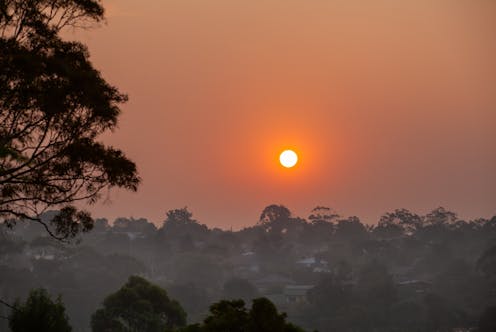
Australia’s bushfire season is officially under way during an El Niño. And after three wet years, and the plant growth that comes with it, there’s fuel to burn.
With the prospect of catastrophic bushfire comes smoke. This not only affects people in bushfire regions, but those in cities and towns far away, as smoke travels.
People with a lung condition are among those especially affected.
What’s so dangerous about bushfire smoke?
Bushfire smoke pollutes the air we breathe by increasing the concentration of particulate matter (or PM).
Once inhaled, small particles (especially with a diameter of 2.5 micrometres or less, known as PM2.5) can get deep into the lungs and into the bloodstream.
Concentration of gases in the air – such as ozone, nitrogen dioxide and sulfur dioxide – also increase, to pollute the air.
All these cause the airway to narrow and spasm, making it hard to breathe.
This can be even worse for people with existing asthma or other respiratory conditions whose airways are already inflamed.
Read more: Bushfire smoke is everywhere in our cities. Here's exactly what you are inhaling
Emergency department visits and hospital admissions for asthma-related symptoms rise after exposure to bushfire smoke.
Smoke from the bushfires in summer 2019/20 resulted in an estimated 400 deaths or more from any cause, more than 1,300 emergency department visits for asthma symptoms, and more than 2,000 hospital admissions for respiratory issues.
Even if symptoms are not serious enough to warrant emergency medical attention, exposure to bushfire smoke can lead to cough, nasal congestion, wheezing and asthma flares.
If you have asthma, chronic obstructive pulmonary disease, bronchiectasis or another lung condition, or you care for someone who has, here’s what you can do to prepare for the season ahead.
1. Avoid smoke
Monitor your local air quality by downloading one or both of these apps:
AirSmart from Asthma Australia has live air-quality information to help you plan and act
AirRater, developed by Australian scientists, can be another useful app to monitor your environment, track your symptoms and help manage your health.
During times of poor air quality and smoke stay indoors and avoid smoke exposure. Close windows and doors, and if you have one, use an air conditioner to recirculate the air.
Avoid unnecessary physical activity which makes us breathe more to deliver more oxygen to the body, but also means we inhale more polluted air. Consider temporarily moving to a safer residence.
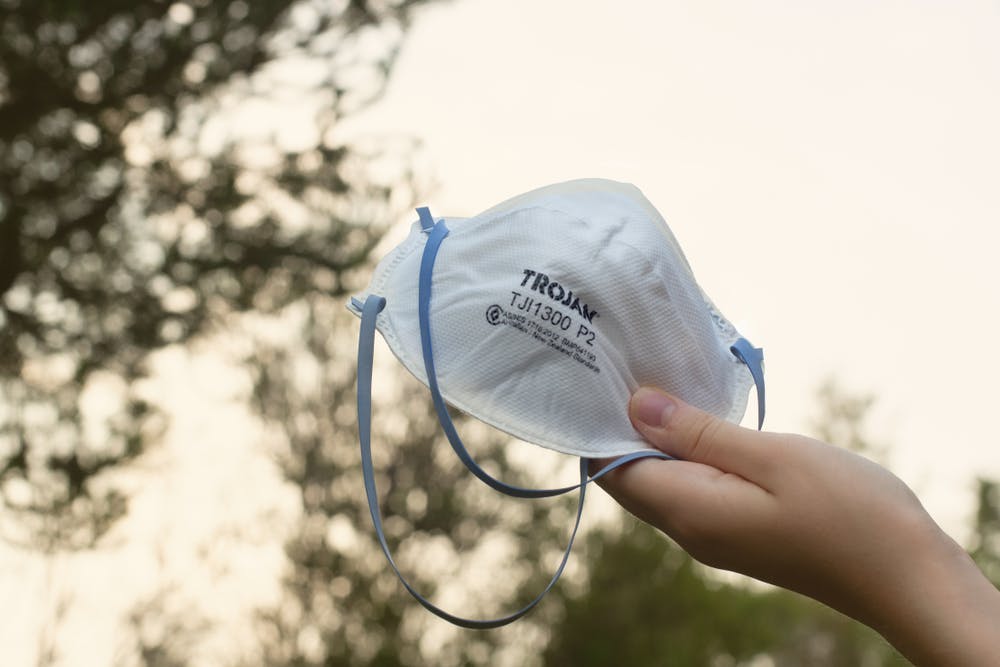
Well-fitting N95/P2 masks can reduce your exposure to fine smoke particles if you must travel. However they can make it more difficult to breathe if you are unwell. In that case, you may find a mask with a valve more comfortable.
Read more: How to protect yourself against bushfire smoke this summer
2. Have an action plan
Taking your regular preventer medication ensures your lung health is optimised before the danger period.
Ensure you have a written action plan. This provides you with clear instructions on how to take early actions to prevent symptoms deteriorating or to reduce the severity of flare-ups. Review this plan with your GP, share it with a family member, pin it to the fridge.
Make sure you have emergency medication available, know when to call for help, and what medication to take while you wait. You may consider storing an emergency “reliever puffer” in your home or with a neighbour.
Read more: How to manage your essential medicines in a bushfire or other emergency
3. Have the right equipment
High-efficiency particulate air (HEPA) filters can reduce smoke exposure inside the home during a fire event by 30-74%. These filters remove particulate matter from the air.
A spacer, which is a small chamber to contain inhaled medication, can help you take emergency medication if you are breathing quickly. You may want to have one to hand.
Read more: From face masks to air purifiers: what actually works to protect us from bushfire smoke?


