

Why do some people who experience childhood trauma seem unaffected by it?
- Written by The Conversation

Childhood trauma is taken into consideration in criminal sentencing, and is accepted as a factor that can contribute to substance abuse, mental illness and homelessness.
But many people experience traumatic childhood events and are completely fine.
That’s because not everyone who experiences trauma becomes traumatised.
So what are the differences between people who are profoundly affected by their trauma and people who appear largely unaffected by it?
What is childhood trauma?
People can be traumatised by all sorts of life events, but researchers usually constrain the definition of trauma to events that are observable.
These include:
physical, emotional or sexual abuse
neglect
parental abandonment
witnessing family violence
living with people experiencing substance use or mental illness
the death of an immediate family member
parental divorce
incarceration.
These are commonly referred to as adverse childhood experiences.
Where relevant, experiences of war, forced migration or living as a refugee should be included too.
While researchers rightly spend a lot of time examining the needs of those whose lives are seemingly defined by their trauma, we know surprisingly little about those who fare better.
What we do know is that the traumatic event itself does not seem to be predictive of how impacted someone will be.
In other words, traumatic events do not cause trauma.
This sounds paradoxical, but think of it akin to alcohol misuse: most people who drink alcohol will never have a problem with alcohol. Alcohol itself does not cause alcoholism.
Traumatic events are fairly simple to define, but how people respond to them is highly individual. Being traumatised is the ongoing effects after the experience of the traumatic event.
To be traumatised is to have your own sense of safety and security damaged. This can then manifest in negative impacts on your life, such as increased anxiety, sleep disturbances, substance use, depression and so forth.
Read more: When parents turn children into weapons, everybody loses
So why are some people traumatised when others are not?
Why some people are traumatised and others are not is determined by a multitude of factors. Some of these are highly individual.
But there is also some predictability as to who is likely to be traumatised, and this gives us some clues as to those who are likely to be doing better.
First, the response to the trauma matters. Was the child given emotional and physical safety and security after the traumatic event or was there an ambivalent or hostile response?
Being sexually abused, for instance, is compounded when you do not have a caregiver to tell, who believes you, and who acts on this information to make you safe.
Second, was this the only traumatic event the child has experienced, or was it one of many? Research shows multiple traumas do not make you more resilient, but rather are more likely to be associated with being traumatised and having lifelong health impacts.
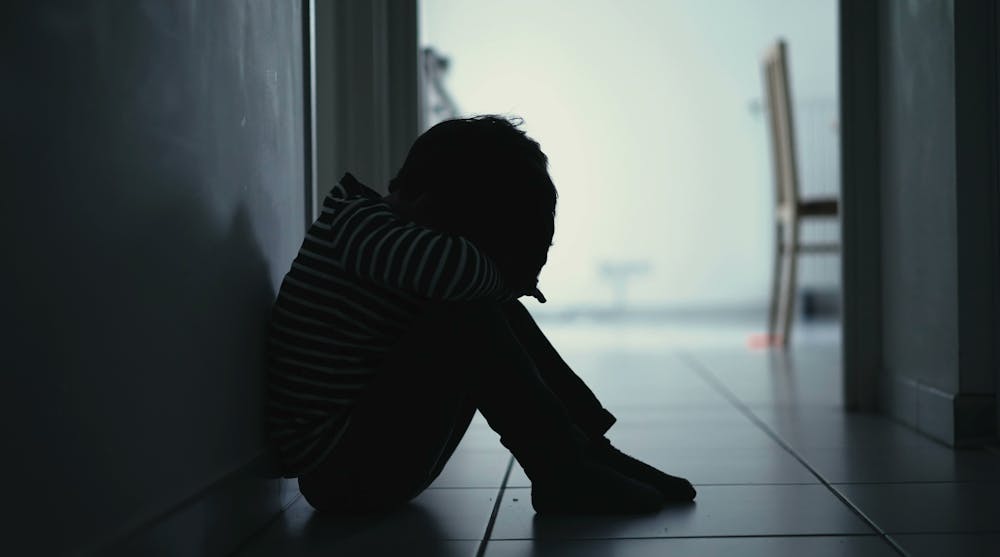
 A traumatic event can change the course of a child’s life, but there are ways we can protect them against trauma’s ongoing effects.
Shutterstock
A traumatic event can change the course of a child’s life, but there are ways we can protect them against trauma’s ongoing effects.
Shutterstock
Parental separation doesn’t necessarily lead to a traumatised child. However, divorcing parents who remain on acrimonious terms, and whose care towards the child is compromised, are compounding traumas and may well place a child at greater risk of ongoing impacts.
Third, and perhaps most important, is whether the child has a constant adult in their life who demonstrates unconditional positive regard. This is usually a parent, but it doesn’t need to be.
The presence of one constant, stable, loving adult in a child’s life is shown to be hugely protective in recovering from adverse childhood events.
Caring adults are key
Although we can generalise some things, we cannot rule out that a person will still become traumatised even with the right interventions and support in place.
There are of course some who have supportive families but experience deep ongoing trauma. It is not clear why.
It is possible to recover from trauma. But the more serious the trauma, particularly interpersonal trauma at home such as violence or neglect, the more deeply somebody’s sense of safety has been compromised, and thus the harder the damage is to repair.
Read more: Trauma is trending – but we need to look beyond buzzwords and face its ugly side
For a child who never had a consistent caregiver to hug them each day, the effects might be impossible to ameliorate. That’s why they should be prevented.
But in the absence of being able to prevent all traumatic events, how can someone who has experienced trauma be best placed to live a happy, healthy life?
Essentially, through care. A caring adult, unconditional love and support, and a sense of belonging in their community (such as their school community) are shown in studies on both trauma and resilience to be the most consistent protective factors.
A traumatic event can change the course of a child’s life, but there are ways we can protect them against trauma’s ongoing effects.


