

Pickle, anyone? 3 possible reasons women get cravings during pregnancy
- Written by The Conversation
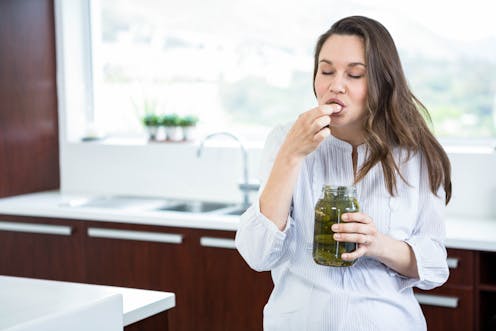
From pickles and french fries to oranges and ice cream, women and other people who are pregnant report craving a range of foods while they’re expecting.
A food craving is a strong urge to eat a specific food. The intense desire to eat is not necessarily related to hunger and can be difficult to ignore or resist. Think: “I must have this now!”.
Food cravings during pregnancy are common, with studies reporting anywhere between 50% and 90% of pregnant women experience a food craving at least once during their pregnancy. Most women who experience food cravings will do so in their second trimester (from week 13 to 27), and the cravings may also be most intense at this time.
Let’s delve into the science of food cravings and what it means for the health of mum and bub.
What are some typical cravings, and why do they happen?
There’s an old wives’ tale which implies food cravings can predict the sex of the baby, with sweet foods being associated with a girl, and savoury foods indicating a boy.
This isn’t backed by science. In reality, food cravings during pregnancy are highly individual, though they typically include carbohydrate-dense and protein-dense foods. Commonly reported cravings include biscuits, bananas, nuts, pickles, ice cream and potatoes.
Read more: Pregnant women and babies can be vegans but careful nutrition planning is essential
We don’t know exactly why pregnant women experience food cravings, but there are a few possible reasons.
1. Changes in nutritional needs
Growing a baby takes a lot of work, and unsurprisingly, increases womens’ requirements for energy and specific nutrients such as iron, folic acid, magnesium and calcium. In addition, a woman’s blood volume increases significantly during pregnancy, meaning a greater demand for water and electrolytes (in particular sodium and potassium).
Some studies suggest women experiencing nutrient deficiencies are more likely to have food cravings. This might mean women crave foods high in energy and specific nutrients based on their needs.
However, this link is not consistently seen, and many women experience food cravings without being deficient in any nutrients.
2. Changes in hunger and taste
Hormonal changes that occur throughout pregnancy may change how hungry women feel. A specific hormone called neuropeptide Y has been shown to increase during pregnancy and is associated with increased hunger.
Also, many women report foods and drinks taste different during pregnancy. Most commonly, women report an increased taste of bitter flavours such as those in vegetables or coffee, and a heightened sense of sweetness from fruits.
Changes in how foods taste combined with increased feelings of hunger may create food cravings, particularly for sweet foods such as fruits. However, studies have not been able to consistently link hormone levels in blood with reported taste changes, suggesting hormones may not be solely responsible for food cravings.
3. Social and cultural influences
Pregnant women in different parts of the world report different food cravings. For example, the most commonly reported food cravings among pregnant women in Nigeria is fruits and vegetables. Rice is the most common craving among all women in Japan, while in the United States, women seem to crave chocolate the most. These differences may be due to what foods are available, and what foods are familiar.
Popular commentary around pregnancy food cravings, and even the notion of “eating for two”, imply a biological need for pregnant women to indulge their food cravings. These sentiments make eating different, strange, or large amounts of food more socially acceptable.
Also, food cravings may normalise eating foods which may be less healthy, such as chocolates or cake. Normalising a food choice that may usually be considered a special treat can then lead to increased urges for and consumption of those foods during pregnancy.
Some women can struggle with food cravings they know are not healthy, but cannot resist. This can lead to shame and negative relationships with food during pregnancy.
Cravings aren’t a big cause for concern
People may think food cravings lead to excess weight gain in pregnancy, which can be related to poor health outcomes for mothers. But studies to date have shown that while women who experience food cravings in pregnancy have a slightly higher energy intake than those who don’t, there’s no consistent link between food cravings and diet quality, changes in body weight or size, or development of pregnancy complications such as gestational diabetes.
Some people have also suspected food cravings in pregnancy might influence the baby while it’s growing. However, studies haven’t found a link between the mother’s food cravings during pregnancy, the size of baby at birth, the baby’s taste preferences, or behaviours of developing children.
Overall, it seems food cravings have little to modest impact on the health of mothers or their babies.
Read more: 3 reasons you feel hungrier and crave comfort foods when the weather turns cold
When to seek help
While all women should feel comfortable to eat foods they desire, moderation is still key. Resolving sweet food cravings with nutritious options such as fruits, dairy and wholegrains may be beneficial, as well as limiting less healthy cravings such as chocolates, lollies and chips.
Particular cravings, such soil or ice, can indicate underlying health conditions that warrant treatment.
If you or a loved one is concerned about food cravings or any aspect of food intake during pregnancy, make an appointment with an accredited dietitian.


