

Why banning gym selfies could do us all a lot of good
- Written by The Conversation
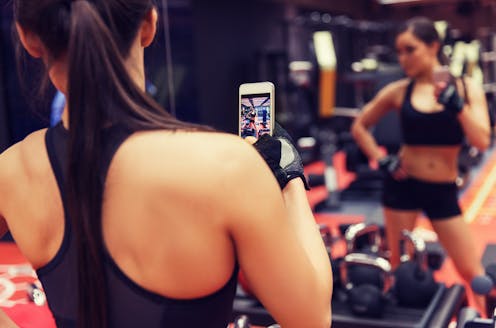
Taking selfies to document daily life is now a completely normalised activity across all ages and demographics.
At the same time, however, selfies are often maligned – particularly in specific contexts such as at places of worship, sacred sites, or when animals are made unwitting participants.
It’s easy to see why taking selfies could be considered inappropriate in such cases. But there’s been much debate about their acceptability in a more casual and frequented arena: the gym.
Lately, gyms the world over have been pushing back against selfies and influencer-culture taking over their spaces, citing a risk of injury to patrons, among other concerns.
When considered alongside a rise in toxic influencer culture and widespread body-image insecurity, it could be argued banning gym selfies is a positive step.
Self-obsession in the digital age
People’s obsession with their own image is ancient. One of the most famous Greek myths is that of Narcissus, who gave us the word “narcissist”.
This is the tale of a young man captivated by his own image. Like many Greek myths, the story was meant to serve as a lesson for immoral behaviour.
Yet research shows narcissism is not only very prevalent in the modern age, in many cases it’s lucratively rewarded. This explains the rise of social media influencing.
The potential rewards of “influencer-level” fame push many people to take risks for social media content. This can sometimes lead to injury or even death, to the point that it’s now considered a public health problem.
Various travel destinations are banning tourists from taking selfies in popular spots to reduce issues of safety and overcrowding.
Gyms push back against selfies
Gym selfies can be tied particularly closely to influencer culture. They have a long history on Instagram, the platform that gave birth to fitness influencers. Influencers posting gym selfies will typically gain a lot of views and likes, and in some cases may attract mass followings.
A popular gym chain in Melbourne recently complained of influencers engaging in “entitled and selfish behaviour” that “should not be tolerated”. Much of this has stemmed from these patrons seemingly concentrating more on generating social media content than their actual performance in the gym.
This particular gym is now giving members the option to buy a “media pass” if they wish to take photos while working out. The rules primarily target influencers who film their workouts, rather than regular gym-goers who exercise for themselves.
Other chains around the world have also banned the use of tripods, which could be considered a tripping hazard. Some have prohibited taking photos or videos on gym premises altogether.
These establishments often cite safety and privacy concerns. For instance, we’ve seen several examples of regular gym-goers, often filmed without their consent, fall on the receiving end of abuse or public shaming when they’ve ended up in gym selfies or videos posted online.
Research shows gym selfies can also influence people’s motivations for exercising. Study participants reported becoming more conscious of their own bodies when they saw gym selfies online.
Self-care in the social media age
Banning selfies and influencer behaviour at gyms marks a shift away from the previous encouragement of self-promotional and performative behaviour that many gyms became famous for on Instagram. It suggests people are beginning to acknowledge the detrimental aspects of such anti-social exhibitionism.
In today’s world, the line between personal and performative action is becoming increasingly blurred. And social media are a potent driver of the latter. In a sense, social media’s pervasive presence in our lives has turned many of us into marketers who live our lives out for public consumption.
Online, many of us face near-constant comparisons with others. This promotes an obsession with self-image and pushes us to reach social media-worthy levels of muscularity or leanness.
Research shows adolescents in particular can have negative mental health outcomes as a result of self-image comparisons on social media.
These comparisons have led to a culture that promotes (often risky) body modification and enhancement behaviours, including steroid use and exercise addiction.
Cosmetic procedures such as botox, fillers and reconstruction surgery have also boomed in popularity. An even darker side reveals an increase in eating disorders and body dysmorphia, particularly among young women and adolescent boys.
Exercising for ourselves
We’re seeing a growing number of fitness influencers leverage their online social capital to monetise their bodies. At the same time, these individuals wield significant power within communities (both online and offline) and have an opportunity to shape norms around fitness and body image.
Recently, a very popular bodybuilding influencer called the Liver King – who had claimed to be “natural” – was found to be taking steroids.
This scandal underscores the need for strategies to reduce harm, and increase public health messaging within digital fitness culture. Banning selfies and harmful influencer antics in the gym might be a start.
It’s not just about preventing accidents such as trips and falls; it could have the added benefit of making influencers rethink their behaviours, tone down self-promotion and reinvigorate a sense of camaraderie among gym-goers.
It might just be the beginning of people exercising for themselves and nobody else.
Read more https://theconversation.com/why-banning-gym-selfies-could-do-us-all-a-lot-of-good-223187


