

With only two years on the contract, incoming Australian Defence Force Chief David Johnston has a lot of work to do
- Written by The Conversation
The announcement by Prime Minister Anthony Albanese yesterday that Vice Admiral David Johnston will be promoted to admiral (the top rank in the Royal Australian Navy) in July and become the nation’s next chief of the defence force has been welcomed by many people.
Personnel from all three services (army, navy and air force) and officials in other arms of government are very complimentary about the decision. Johnston has built a sound reputation on his capabilities as a senior leader while working on issues across all three services. He has also been the vice chief of the defence force for the past six years and thus had the opportunity to work with the current chief on the significant challenges General Angus Campbell has had to face.
This promotion will bring an experienced naval officer to the top military leadership job in the country. Some commentators have pointed out the role hasn’t been awarded to a naval officer for more than 20 years, when I retired from the position. Since then, four generals and two air chief marshals have been appointed. This is significant because despite what some in the community may believe, the practice isn’t to rotate selections for chief and vice chief between the three services.
Johnston takes the reigns at a turbulent time for Australia’s defence forces. Between addressing royal commission findings to managing strategic partnerships, he’ll have a lot on his plate.
What goes into picking a defence chief?
When governments consider a nomination for the appointment of chief of the defence force, it’s likely the prime minister and their team try to choose the best available person to become their principal military adviser.
It’s a balancing act. The chief’s role as principal military adviser is set out in Australian law, but it’s a political exercise too. The officer appointed must also have earned the trust of the leadership in the ruling party.
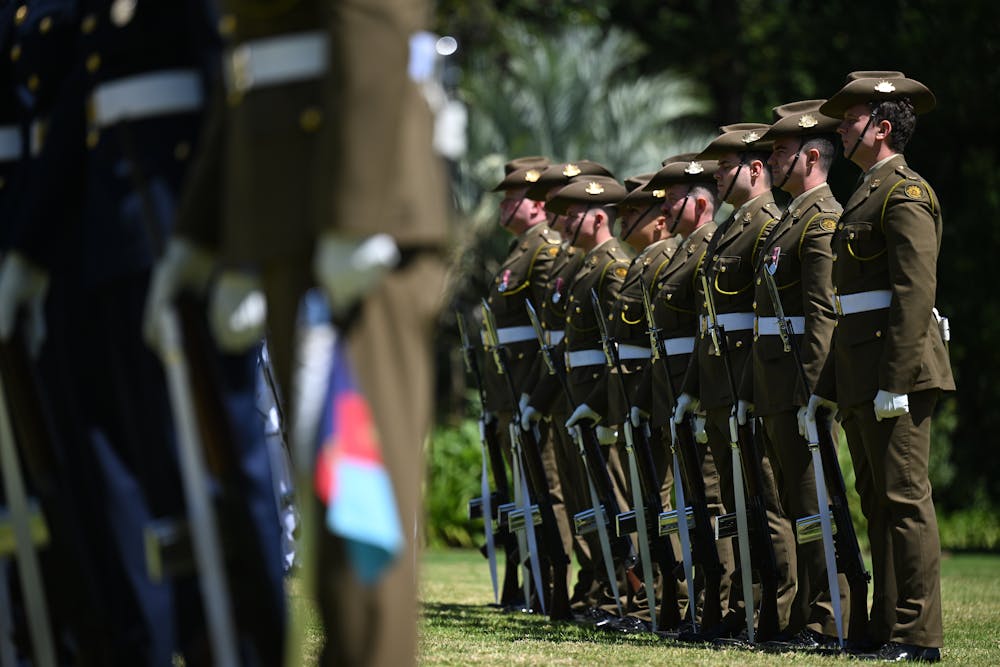
The role covers a wide range of leadership responsibilities, including advice on operations, organisation and structure, capability decision-making and international relationships.
The chief also commands the defence force, with authority over all three services. Command authority is unique to the military.
While being in command sounds like the chief calls all the shots, it’s not like that in practice. In effect, the chief’s authority is delegated to other officers in the force, who are empowered to give others orders for assigned tasks.
Assignments include the use of lethal force in the accomplishment of missions through the rules of engagement. With this comes possible risks of death and injury to personnel carrying out the orders.
The responsibilities and accountabilities that flow from the chief’s authority establish the critical relationship the chief has with all serving personnel to ensure people are properly trained and equipped to carry out their work, which can often be dangerous. The chief’s paramount duty is to the morale and wellbeing of those serving.
Four key challenges
Johnston will have to face significant challenges in the role. There are several, but here are four main ones:
1. Recruitment and retention
Johnston will need to engage with the community to solve the perennial recruitment and retention problem we keep hearing about. Problems of trying to attract and keep personnel on a competitive basis have bedevilled the force for as long as I can remember. We must find a better way forward than relying on market forces to produce sufficient defence recruits, thereafter struggling to retain them.
One way to do this could be an incentivised universal service scheme whereby there would be special benefits, such as cancellation of all HECS debts after a prescribed period of service, for young Australians who prioritise service to country in their early adult years.
2. AUKUS management
Johnston will need to make sense of the AUKUS arrangements through careful oversight of the significant startup program we have now embarked on from a military perspective.
Developing and harnessing new technologies like nuclear submarines, of which the force has little experience, as well as getting widespread support for the program will be difficult.
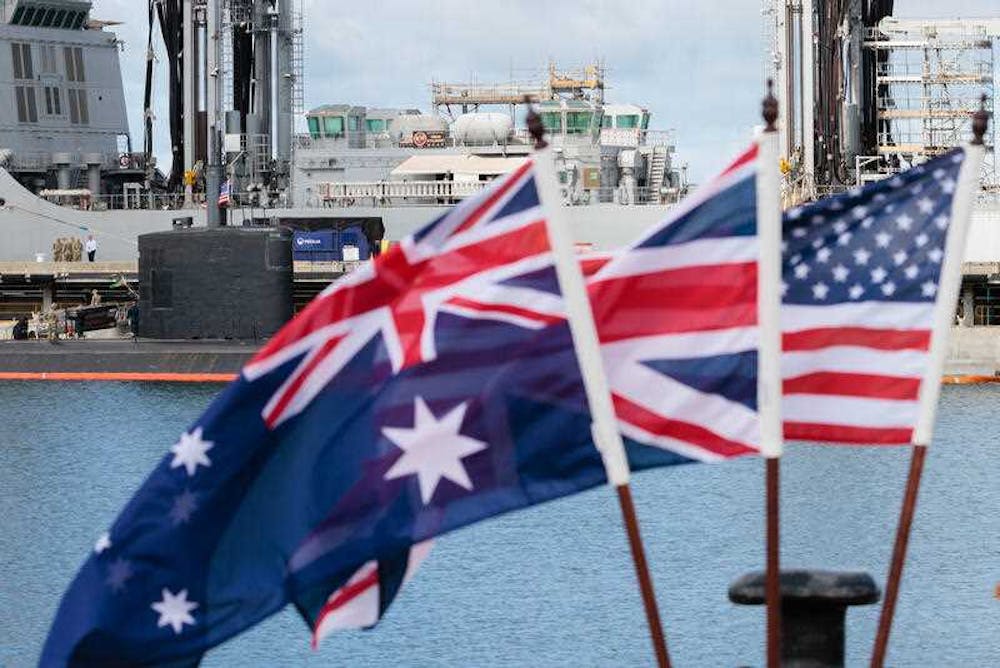 Managing AUKUS technology plans will likely be one of the incoming defence force chief’s areas of focus.
Richard Wainwright/AAP
Managing AUKUS technology plans will likely be one of the incoming defence force chief’s areas of focus.
Richard Wainwright/AAP
3. Long-term future of the force
Based on the Defence Strategic Review, Johnston will also be working to advise the government about what the Australian Defence Force looks like many years from now.
It’s clear change is needed, but creating an overarching vision for such change must consider how the force can best meet defence requirements in practice, and be funded appropriately.
We must recognise that a country as big as Australia with a very small population by world standards poses serious limitations on available resources. The focus should be on getting the best bang for the buck and the most professional armed force, person by person, in the world, in the interests of our national security.
4. Officer and veteran mental health
The final report of the Defence and Veteran Suicide Royal Commission will be delivered in September.
I am hopeful it will contain recommendations for change intended to deal comprehensively with all the significant issues that have been presented to it.
There has been criticism of the defence organisation from some of the witnesses and, not least, by the Royal Commissioners. No doubt making sure the force manages the transition of uniformed people into another life will become a key priority for Johnston. Many Australians will be watching him in this regard.
Finally, it’s worth noting that Johnston intends to serve under a two-year contract. With the significant changes that lie ahead, two years is not long enough.
Four years of service for our chiefs is the minimum needed to effect serious change. On this occasion, hopefully half that suffices.


