

Cheeky diet soft drink getting you through the work day? Here’s what that may mean for your health
- Written by The Conversation
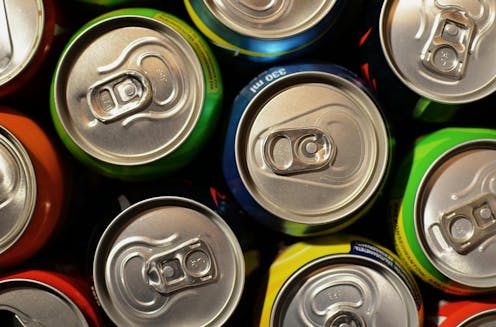
Many people are drinking less sugary soft drink than in the past. This is a great win for public health, given the recognised risks of diets high in sugar-sweetened drinks.
But over time, intake of diet soft drinks has grown. In fact, it’s so high that these products are now regularly detected in wastewater.
So what does the research say about how your health is affected in the long term if you drink them often?

What makes diet soft drinks sweet?
The World Health Organization (WHO) advises people “reduce their daily intake of free sugars to less than 10% of their total energy intake. A further reduction to below 5% or roughly 25 grams (six teaspoons) per day would provide additional health benefits.”
But most regular soft drinks contain a lot of sugar. A regular 335 millilitre can of original Coca-Cola contains at least seven teaspoons of added sugar.
Diet soft drinks are designed to taste similar to regular soft drinks but without the sugar. Instead of sugar, diet soft drinks contain artificial or natural sweeteners. The artificial sweeteners include aspartame, saccharin and sucralose. The natural sweeteners include stevia and monk fruit extract, which come from plant sources.
Many artificial sweeteners are much sweeter than sugar so less is needed to provide the same burst of sweetness.
Diet soft drinks are marketed as healthier alternatives to regular soft drinks, particularly for people who want to reduce their sugar intake or manage their weight.
But while surveys of Australian adults and adolescents show most people understand the benefits of reducing their sugar intake, they often aren’t as aware about how diet drinks may affect health more broadly.
What does the research say about aspartame?
The artificial sweeteners in soft drinks are considered safe for consumption by food authorities, including in the US and Australia. However, some researchers have raised concern about the long-term risks of consumption.
People who drink diet soft drinks regularly and often are more likely to develop certain metabolic conditions (such as diabetes and heart disease) than those who don’t drink diet soft drinks.
The link was found even after accounting for other dietary and lifestyle factors (such as physical activity).
In 2023, the WHO announced reports had found aspartame – the main sweetener used in diet soft drinks – was “possibly carcinogenic to humans” (carcinogenic means cancer-causing).
Importantly though, the report noted there is not enough current scientific evidence to be truly confident aspartame may increase the risk of cancer and emphasised it’s safe to consume occasionally.
Will diet soft drinks help manage weight?
Despite the word “diet” in the name, diet soft drinks are not strongly linked with weight management.
In 2022, the WHO conducted a systematic review (where researchers look at all available evidence on a topic) on whether the use of artificial sweeteners is beneficial for weight management.
Overall, the randomised controlled trials they looked at suggested slightly more weight loss in people who used artificial sweeteners.
But the observational studies (where no intervention occurs and participants are monitored over time) found people who consume high amounts of artificial sweeteners tended to have an increased risk of higher body mass index and a 76% increased likelihood of having obesity.
In other words, artificial sweeteners may not directly help manage weight over the long term. This resulted in the WHO advising artificial sweeteners should not be used to manage weight.
Studies in animals have suggested consuming high levels of artificial sweeteners can signal to the brain it is being starved of fuel, which can lead to more eating. However, the evidence for this happening in humans is still unproven.
 You can’t go wrong with water.
hurricanehank/Shutterstock
You can’t go wrong with water.
hurricanehank/Shutterstock
What about inflammation and dental issues?
There is some early evidence artificial sweeteners may irritate the lining of the digestive system, causing inflammation and increasing the likelihood of diarrhoea, constipation, bloating and other symptoms often associated with irritable bowel syndrome. However, this study noted more research is needed.
High amounts of diet soft drinks have also been linked with liver disease, which is based on inflammation.
The consumption of diet soft drinks is also associated with dental erosion.
Many soft drinks contain phosphoric and citric acid, which can damage your tooth enamel and contribute to dental erosion.
Moderation is key
As with many aspects of nutrition, moderation is key with diet soft drinks.
Drinking diet soft drinks occasionally is unlikely to harm your health, but frequent or excessive intake may increase health risks in the longer term.
Plain water, infused water, sparkling water, herbal teas or milks remain the best options for hydration.


