

Social media is like sex – young people need education, not unrealistic bans
- Written by The Conversation
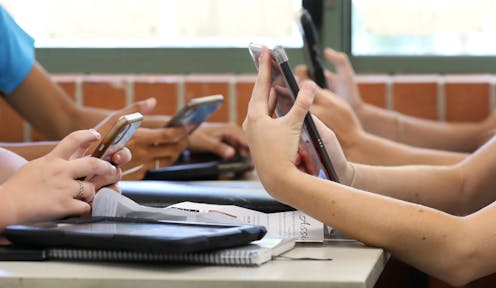
The federal government has committed to a national plan to ban children from social media.
Details are still scarce. Prime Minister Anthony Albanese has acknowledged that “no government is going to be able to protect every child from every threat, but we have to do all we can”.
But banning children from social media isn’t going to fix the problem of online harms faced by young people – it’s only going to put the problem on pause. That’s because when children reach an age when they can use social media, they are still going to face many of the same issues.
The best way to help young people safely navigate social media is by improving their social media literacy.
What is social media literacy?
Social media literacy is about understanding and critically thinking about the content you see on social media – and why it’s there.
It’s about understanding that the images and videos which appear in your social media feed are not there by chance. They are there because of algorithms which use your personal data to better understand your interests and what kind of content you are more likely to engage with.
This is why everyone’s social media feeds are different.
We don’t know exactly how these algorithms work, because social media platforms such as Facebook, Instagram and TikTok keep them secret. However, some researchers are working to change this.
At the moment digital media literacy is sorely lacking around the world – even among younger generations who were born into the internet age and are prolific social media users.
I have witnessed this lack of knowledge at first hand. I recently gave a talk about social media to around 300 university students in Australia. Most of them had never heard about the algorithms that decide what they see on social media.
A message of empowerment
The lack of social media literacy reflects the broad lack of education in this space.
The minimal social media literacy education that is offered now is also quite negative and defensive. When I talk to young people, they say adults tell them all of the things they’re not supposed to do. For example, “don’t spend too long on social media, turn off your phone”.
This is reminiscent of how young people were once taught about sex. But that has started to change, and now there is more of a focus on teaching young people how to have sex safely and with consent.
A similar, more positive approach is needed to help young people use social media safely, manage the risks it entails and experience the benefits it offers.
This approach must be free of any judgement. It must treat technology in a much more multifaceted way which acknowledges both its pros and cons. And it must be grounded in a commitment to empower young people with the skills they need to participate safely in a digital world and better understand what’s happening behind their social media feeds.

Dedicated classes for children – and parents
There are some key steps schools can take to improve social media literacy among young people.
The complexity and size of the topic means specific classes should be dedicated to it. If it is integrated into the content of other subjects such as English or maths, it can easily get lost or be forgotten.
These classes should begin around the later primary school years, when most children are just about to get a phone. Their use of technology really changes around this period, and we need to train them up in social media literacy before they establish behaviours that will follow them into adulthood.
Alongside these classes for children, schools can also run social media literacy classes for parents, who often feel completely overwhelmed and disempowered when it comes to helping their children navigate social media.
Many schools already offer cyber safety talks for parents once a year. However, the content is quite repetitive and focused on the dangers of the internet. This is unhelpful for parents as well. When I speak to them, they tell me they often walk away from these classes feeling like the problem is too hard to fix.
Better educating parents about social media literacy and the positive uses of social media will help them help their children. Social media and the way we use it has many layers and therefore this education for parents needs to be informed by specialists from these many layers – such as data scientists, sociologists, marketers, videographers and human behaviour researchers.
But schools cannot do this important work alone. If the government really wants to do everything it can to keep kids safe online, it needs to do more than just ban them from social media.
It needs to help develop and fund better social media literacy programs.


